Professional graphite material supplier, graphite for EV, grease, furnace and any other industries.

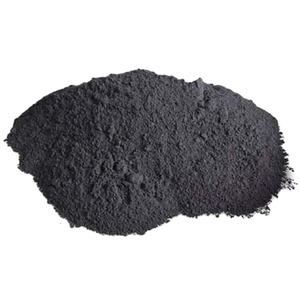
(is graphite a natural resource)
Graphite is a non-renewable mineral that is extracted from rock formations around the world. It has been used for centuries as a building material and a tool, but its production methods are not sustainable.
(is graphite a natural resource)
One way to extract graphite from the earth is through the process of mining. Mining operations typically involve drilling deep into the ground and then using drills to remove rock and. This process can be dangerous and can result in the release of toxic chemicals into the environment.
Another way to extract graphite is through the use of carbon sources such as coal or oil. These fuels are burned to produce heat, which is used to power machines that extract graphite from the earth. The burning of these fuels releases large amounts of greenhouse gases, which contribute to climate change.
Despite the environmental impact of mining, graphite remains an important industrial resource. It is used in the production of a variety of products, including electronics, energy storage, and building materials. However, there are concerns about the sustainability of the extraction processes used to extract this mineral.
For example, the extraction of graphite from coal requires the removal of a significant amount of carbon dioxide from the atmosphere, which contributes to global warming. Similarly, the extraction of graphite from oil requires the burning of fossil fuels, which release harmful greenhouse gases.
To address these concerns, researchers and industry leaders are working to develop new methods for extracting graphite without the negative impacts on the environment. For example, some companies are exploring the use of renewable energy sources to power their mining operations. Others are developing new technologies to capture and reuse carbon emissions produced during the extraction process.
In recent years, the importance of graphite has expanded significantly due to its critical role in the lithium-ion battery industry. As the global demand for electric vehicles, renewable energy storage, and portable electronic devices continues to grow, graphite has become one of the most strategically important battery materials. Among all commercially available anode materials, graphite remains the dominant choice because of its excellent electrical conductivity, stable chemical properties, low expansion rate, and proven long-term cycling performance.
Graphite is mainly used as the anode material in lithium-ion batteries, where it plays a key role in storing and releasing lithium ions during charging and discharging cycles. The layered structure of graphite allows lithium ions to move between graphene layers efficiently, creating a reversible electrochemical reaction. This unique structure enables lithium-ion batteries to achieve high energy efficiency, long cycle life, and reliable safety performance. Since lithium-ion batteries were commercialized in the 1990s, graphite has become the most widely used anode material due to its excellent balance between performance, cost, and large-scale manufacturing capability.
The rapid growth of electric vehicles has greatly accelerated the development of graphite anode materials. Electric vehicle manufacturers require batteries with higher energy density, longer service life, faster charging speed, and improved safety. To meet these demands, graphite producers are continuously improving material processing technologies, including purification, particle shaping, surface coating, and graphitization processes. These improvements help reduce defects in graphite structures, enhance lithium-ion transport efficiency, and minimize unwanted side reactions between the electrode and electrolyte.
There are two major categories of graphite used in lithium-ion batteries: natural graphite and synthetic graphite. Natural graphite is produced from naturally occurring graphite resources and requires purification and modification before being used in battery applications. It offers high crystallinity and excellent lithium-ion storage capability, while also providing cost advantages. Synthetic graphite is produced through the high-temperature treatment of carbon materials such as petroleum coke and needle coke. Although synthetic graphite requires more energy during production, it provides better structural consistency, higher durability, and improved performance under demanding battery conditions. As a result, synthetic graphite is widely adopted in electric vehicle batteries and high-performance energy storage systems.
Environmental concerns related to graphite mining have encouraged the battery industry to develop cleaner and more sustainable graphite supply chains. Traditional graphite extraction and processing can consume significant amounts of energy and may generate carbon emissions and waste materials. To reduce environmental impacts, manufacturers are exploring low-carbon production technologies, renewable energy-powered processing facilities, and improved recycling methods. Recycled graphite recovered from used lithium-ion batteries is becoming an important solution for reducing dependence on newly mined resources and supporting a circular economy for battery materials.
Another important development direction is the combination of graphite with silicon-based materials. While graphite has excellent stability, its theoretical specific capacity is limited to approximately 372 mAh/g. Silicon offers a much higher theoretical capacity, but its large volume expansion during lithium-ion cycling creates significant challenges. By combining silicon with graphite to produce silicon-carbon composite anodes, researchers aim to increase battery energy density while maintaining the structural stability of graphite. This technology is expected to play an important role in next-generation lithium-ion batteries for electric vehicles, drones, and high-performance electronic devices.
Fast-charging technology is also driving innovation in graphite materials. Traditional graphite anodes may experience limitations during rapid charging due to slow lithium-ion diffusion and the risk of lithium plating. To solve these problems, researchers are developing advanced graphite materials with optimized particle sizes, porous structures, and surface modifications. These improvements can enhance charging performance while maintaining battery safety and cycle stability.
In addition to electric vehicles, graphite anode materials are becoming increasingly important in large-scale energy storage systems. As renewable energy sources such as solar and wind power expand worldwide, efficient energy storage technologies are required to balance power supply and demand. Lithium-ion batteries using graphite anodes provide reliable performance for grid energy storage applications due to their long cycle life and high energy conversion efficiency.
Looking ahead, graphite will continue to be a fundamental material supporting the development of the global energy transition. Although alternative anode materials such as silicon, lithium metal, and hard carbon are being actively researched, graphite remains the most commercially mature and widely adopted solution. Continuous improvements in graphite purification, synthetic graphite production, recycling technologies, and composite material development will further enhance battery performance and reduce environmental impacts.
As the lithium-ion battery industry continues to expand, the demand for high-quality graphite materials will remain strong. The future of graphite will not only depend on improving battery performance but also on creating more sustainable production methods. Through technological innovation and responsible resource management, graphite will continue to serve as a key material in the advancement of electric mobility, renewable energy storage, and next-generation energy technologies.
(is graphite a natural resource)
Overall, while graphite is a valuable mineral that plays a crucial role in our economy and society, it is important to consider the potential negative impacts of our practices. By finding sustainable ways to extract this mineral, we can ensure that it continues to be used for years to come while also protecting the environment for future generations. hot tags: graphite,graphite powder,nano graphite
Graphite-Corp is an advanced materials manufacturer dedicated to the R&D, production, and sales of lithium-ion battery anode materials. Our current product portfolio includes artificial graphite anode materials, silicon-carbon and silicon-oxide anode materials, and porous carbon materials for silicon-carbon applications. Please feel free to contact us regarding your requirements; we look forward to serving you.
(is graphite a natural resource)
RELATED POSTS
Application Of Silicides In Environmental Purification Materials

Artistic Techniques: How to Draw and Shade with Graphite and Charcoal
How To Make Graphite Not Smudge In Sketchbooks
Can Graphite Irons Lie Angle Be Adjusted

Graphite Purity and Graphite Applications
