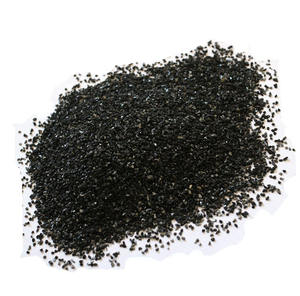
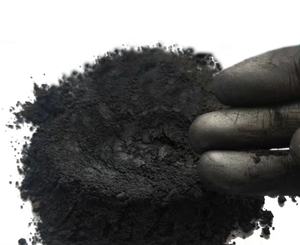
Professional graphite material supplier, graphite for EV, grease, furnace and any other industries.


(is graphite a good conductor of electricity)
Graphite is a versatile material that has been used in various applications due to its excellent electrical conductivity. It is composed of carbon atoms arranged in a hexagonal lattice, which allows for easy movement and flow of electrons through the material.
(is graphite a good conductor of electricity)
The electrical conductivity of graphite is high, making it an ideal material for use in electrical devices such as pencils, pens, and other writing tools. Graphite’s high electrical conductivity also makes it a popular choice for electrodes in batteries, as it can store large amounts of charge without losing significant capacity.
Graphite is also known for its insulating properties, which means that it can prevent the flow of electric current when subjected to heat or strain. This makes it useful in applications where high temperatures or stresses need to be avoided, such as in electronic devices or in aerospace engineering.
One of the key benefits of using graphite as an electrical conductor is its ease of manipulation. Graphite is highly flexible and malleable, allowing for precise control over the movement of electrons. This makes it a popular choice for manufacturing precision parts and for creating intricate designs.
In addition to its electrical properties, graphite also has several other advantages. For example, it is resistant to corrosion, making it a durable material that can withstand exposure to harsh chemicals and environmental conditions. It is also non-toxic, making it safe to work with in many industrial applications.
Beyond its excellent electrical conductivity, corrosion resistance, and chemical stability, graphite has become one of the most critical materials in the lithium-ion battery industry. The unique layered structure of graphite allows lithium ions to be inserted and extracted efficiently during battery charging and discharging, making it an ideal anode material for commercial lithium-ion batteries. This property enables graphite-based anodes to provide stable energy storage performance, high cycling stability, and reliable safety characteristics, which are essential for applications such as electric vehicles, portable electronics, and renewable energy storage systems.
In lithium battery technology, graphite is mainly used as the negative electrode material because of its excellent balance between energy density, electrical conductivity, and cost efficiency. During the charging process, lithium ions move from the cathode and enter the graphite layers, while they are released back to the cathode during discharge to generate electrical energy. This reversible lithium intercalation mechanism allows graphite anodes to achieve long cycle life and consistent battery performance. Compared with many emerging anode materials, graphite remains the most commercially mature solution due to its proven manufacturing processes and large-scale production capability.
Currently, graphite anode materials used in lithium batteries are mainly divided into natural graphite and synthetic graphite. Natural graphite offers advantages such as high crystallinity and excellent lithium-ion storage capability, while synthetic graphite provides better structural uniformity, purity, and durability through advanced graphitization processes. With the rapid growth of electric vehicles and energy storage markets, high-performance synthetic graphite has become increasingly important for batteries that require fast charging capability, high power output, and extended service life.
Furthermore, advances in graphite modification technologies are continuously improving battery performance. Surface coating, particle size optimization, and composite structure design can enhance graphite’s initial coulombic efficiency, reduce capacity loss, and improve rate performance. Graphite is also being combined with other advanced materials, such as silicon, to develop silicon-carbon composite anodes. In these systems, graphite provides a stable conductive network and structural support, helping to reduce the volume expansion issues of silicon while increasing the overall energy density of lithium-ion batteries.
As the global demand for clean energy and electrification continues to rise, the development of graphite materials will remain closely linked with the future of battery technology. Improvements in graphite production efficiency, recycling technologies, and intelligent manufacturing methods will further strengthen its role in sustainable energy systems. Therefore, graphite is not only an important electrical material but also a fundamental component driving the evolution of next-generation lithium-ion batteries and the global transition toward renewable energy.
(is graphite a good conductor of electricity)
Overall, graphite is a highly versatile material that has a wide range of applications due to its excellent electrical conductivity. Its high flexibility, durability, and resistance to corrosion make it an ideal material for a variety of industries, including electronics, aerospace engineering, and materials science. hot tags: graphite,graphite powder,nano graphite
Graphite-Corp is an advanced materials manufacturer dedicated to the R&D, production, and sales of lithium-ion battery anode materials. Our current product portfolio includes artificial graphite anode materials, silicon-carbon and silicon-oxide anode materials, and porous carbon materials for silicon-carbon applications. Please feel free to contact us regarding your requirements; we look forward to serving you.
(is graphite a good conductor of electricity)