Ọkachamara graphite ihe sobu, graphite maka EV, griiz, oven na ụlọ ọrụ ndị ọzọ.

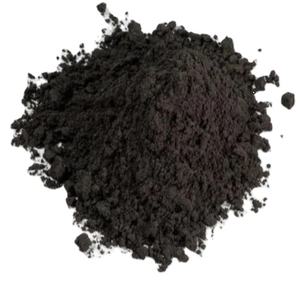
(Eserese arụrụ arụ na batrị enwere ike ịchaji)
Graphite bụ ihe dị mkpa eji arụ ọrụ n'ọtụtụ ụlọ ọrụ, gụnyere mmanụ na gas mmepụta, nrụpụta akụrụngwa eletriki, igwu ala, na njem njem. It is also a key component in rechargeable batteries, such as lithium-ion and nickel-metal hydride.
N'agbanyeghị ojiji a na-ejikarị eme ihe, there are still many unanswered questions surrounding the use of artificial graphite in rechargeable batteries. Ọ kachasị, how much natural and synthetic graphite should be included in the anodes that supply the battery-charged cathode?
Synthetic Graphite
Unlike natural, synthetic graphite is manufactured by high-temperature processing of amorphous carbon materials. Usoro a – known as graphitization – converts raw amorphous carbon (coal, mmanụ) into crystalline graphite.
Agbanyeghị, the production of synthetic graphite requires vast amounts of energy and creates emissions that make it a less environmentally friendly material than natural. This means that battery makers are likely to favour a higher proportion of natural graphite in their anodes.
Ugbu a, the majority of the anodes used in lithium-ion batteries are made from a blend of synthetic and natural graphite. This is a decision that has been driven by both cost and environmental considerations.

(Eserese arụrụ arụ na batrị enwere ike ịchaji)