


Dausoli iyaya ni graphite kenadau, grafiti me baleta na EV, waiwai, furnace kei na dua tale na cakacaka.

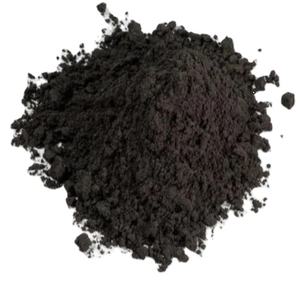
(Grafite buli ena batiri vakavoutaki)
Graphite is an important raw material used in many industries, including oil and gas production, electrical equipment manufacturing, kelikeli, kei na veivakau .. It is also a key component in rechargeable batteries, such as lithium-ion and nickel-metal hydride.
Despite its widespread use, there are still many unanswered questions surrounding the use of artificial graphite in rechargeable batteries. Vakabibi ., how much natural and synthetic graphite should be included in the anodes that supply the battery-charged cathode?
Synthetic Graphite
Unlike natural, synthetic graphite is manufactured by high-temperature processing of amorphous carbon materials. Na iwalewale oqo – known as graphitization – converts raw amorphous carbon (coal, waiwai) into crystalline graphite.
Ia, the production of synthetic graphite requires vast amounts of energy and creates emissions that make it a less environmentally friendly material than natural. This means that battery makers are likely to favour a higher proportion of natural graphite in their anodes.
Ena gauna qo, the majority of the anodes used in lithium-ion batteries are made from a blend of synthetic and natural graphite. This is a decision that has been driven by both cost and environmental considerations.

(Grafite buli ena batiri vakavoutaki)
VEIWEKANI VEIWEKANI
e vei e kune kina na graphite e vuravura
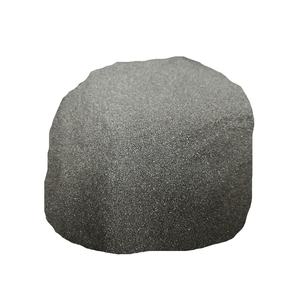
Na sala me musuki kina ena ovani ni graphite

Vakayagataki ni Nanotubes ni Kaboni ena iyaya ni Anode ni Lithium-ion

Vakayagataka na penikau vakamisini na kalavo

E rawa ni vakamatei iko na grafiti
