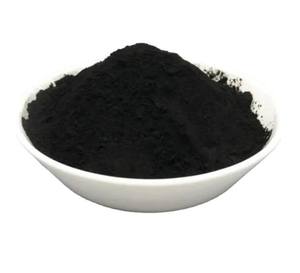
Professional graphite material supplier, graphite for EV, grease, furnace and any other industries.

The Growing Importance of Graphite Anode Materials in the Battery Industry
With the rapid growth of electric vehicles (EVs), renewable energy storage, and consumer electronics, the demand for high-performance lithium-ion batteries has increased significantly. As the core component of lithium-ion batteries, graphite anode material plays a critical role in determining battery energy density, cycle life, charging efficiency, and safety performance.
Graphite is currently the dominant commercial anode material because of its excellent electrical conductivity, stable layered crystal structure, low cost, and outstanding lithium-ion intercalation capability. The global battery industry mainly relies on natural graphite anode materials and synthetic graphite anode materials. In the United States, companies are accelerating the development of domestic graphite supply chains to reduce dependence on imported battery materials and support the growth of the clean energy industry.
The following list introduces some of the leading graphite anode material manufacturers and suppliers in the United States, focusing on companies involved in graphite mining, purification, processing, and battery-grade anode material development.
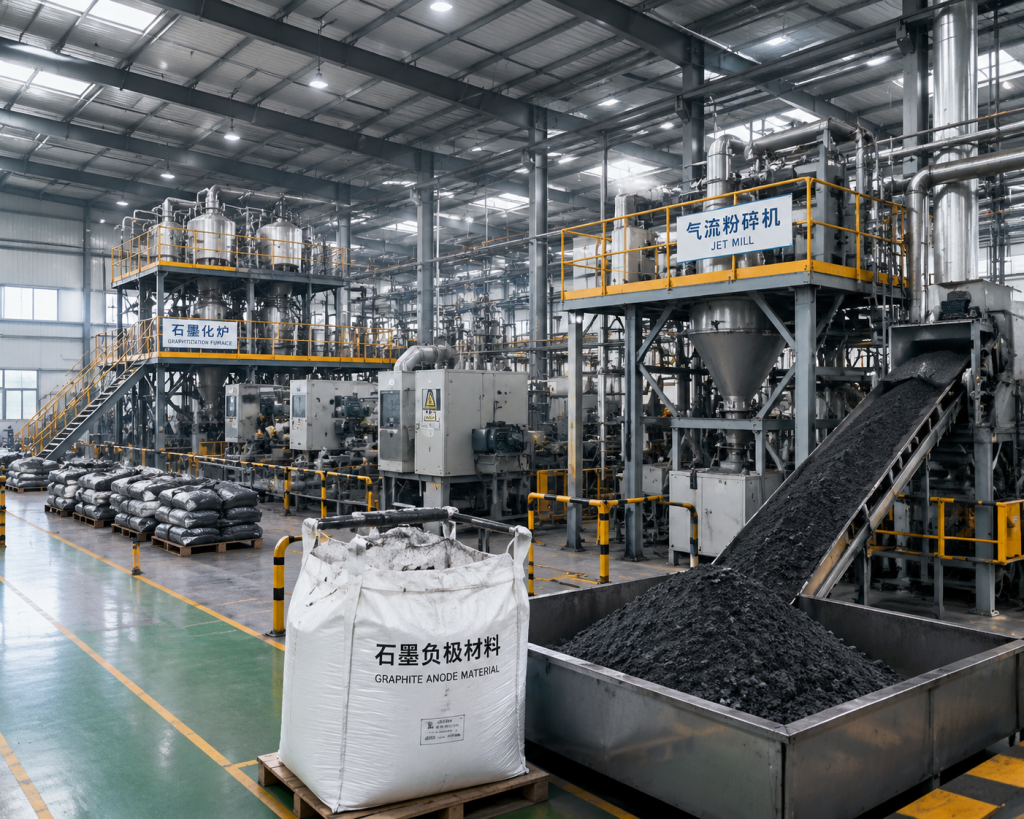
1. Novonix Limited – Advanced Synthetic Graphite Anode Materials
Novonix Limited is one of the most recognized battery graphite companies operating in the United States. The company focuses on developing high-performance synthetic graphite anode materials for lithium-ion batteries.
Novonix’s technology emphasizes high-purity graphite production, long cycle life, and improved battery performance. Its Riverside, Tennessee facility is designed to produce battery-grade synthetic graphite materials for electric vehicles and energy storage applications.
Key advantages:
- High-purity synthetic graphite production
- Long-cycle-life anode materials
- Support for domestic U.S. battery supply chains
- Applications in EV batteries and stationary energy storage
2. Syrah Resources – Balama Graphite and U.S. Anode Production
Syrah Resources operates one of the world’s largest natural graphite mines and is developing downstream anode material production in the United States.
The company’s Vidalia Active Anode Material Facility in Louisiana focuses on converting natural graphite into battery-grade active anode material. Syrah aims to provide vertically integrated graphite solutions for North American battery manufacturers.
Main features:
- Natural graphite-based anode materials
- Graphite purification and coating technology
- Supply chain integration from mine to battery materials
- Target markets including EV and energy storage systems
3. Westwater Resources – Battery-Grade Natural Graphite
Westwater Resources is developing domestic graphite resources in the United States, particularly through its Coosa Graphite Project in Alabama.
The company focuses on producing high-purity natural graphite materials suitable for lithium-ion battery anodes. Its goal is to establish a U.S.-based graphite supply chain for battery manufacturers.
Advantages include:
- Domestic graphite resource development
- Battery-grade purification technology
- Reduced dependence on overseas graphite suppliers
- Potential applications in EV and energy storage batteries
4. Graphite One – Integrated Graphite Supply Chain
Graphite One is developing an integrated graphite project connecting mining, processing, and anode material manufacturing.
The company’s Alaska-based graphite resources are considered strategically important for building a North American graphite supply chain. Its planned facilities aim to produce coated spherical purified graphite (CSPG), which is the preferred form of graphite used in lithium-ion battery anodes.
Key products:
- Spherical graphite
- Purified graphite
- Coated graphite anode materials
5. Anovion Technologies – Synthetic Graphite Manufacturer
Anovion Technologies specializes in producing synthetic graphite anode materials for lithium-ion batteries.
The company focuses on advanced graphite processing technologies to achieve:
- High capacity
- Fast charging capability
- Excellent cycling stability
- Low impurity levels
Anovion’s graphite materials are designed for automotive batteries, energy storage systems, and high-performance lithium-ion applications.
6. Energy Fuels – Natural Graphite and Critical Minerals Development
Energy Fuels is expanding into battery material supply chains, including graphite-related opportunities.
The company focuses on developing domestic critical mineral resources needed for clean energy technologies. Its activities support the broader goal of establishing secure sources of battery materials in North America.
7. Graphite Creek Project – U.S. Domestic Graphite Resource
The Graphite Creek Project in Alaska is considered one of the most significant graphite resources in the United States.
The project aims to supply high-quality natural graphite for:
- Lithium-ion battery anodes
- Energy storage systems
- Advanced carbon materials
Its development represents an important step toward reducing reliance on imported graphite materials.
8. CarbonScape – Bio-Graphite and Sustainable Anode Materials
CarbonScape develops sustainable graphite alternatives using biomass-based carbon technology.
Although different from traditional natural and synthetic graphite, bio-graphite has attracted attention because of its potential environmental advantages.
Potential benefits:
- Lower carbon footprint
- Renewable raw material sources
- Sustainable battery material solutions
9. Kureha Corporation – Specialty Graphite Materials
Kureha Corporation supplies advanced carbon materials used in lithium-ion battery applications.
Its graphite-related technologies include specialized carbon materials that contribute to improved battery performance, especially in high-performance battery systems.
10. Panasonic Energy – Graphite-Based Battery Manufacturing
Panasonic Energy is one of the world’s leading lithium-ion battery manufacturers and uses advanced graphite anode materials in its battery cells.
Although Panasonic is primarily a battery producer rather than a graphite manufacturer, it plays an important role in graphite anode material demand and technology development.
Future Development Trends of Graphite Anode Materials in the U.S.
The U.S. graphite anode material industry is entering a period of rapid growth driven by electric vehicles, renewable energy storage, and government policies supporting domestic battery manufacturing.
Future trends include:
1. Development of High-Capacity Graphite Materials
Battery manufacturers are focusing on modified graphite materials with:
- Higher initial coulombic efficiency
- Improved charging speed
- Longer cycle life
2. Growth of Synthetic Graphite Production
Synthetic graphite offers advantages in consistency, purity, and performance control, making it increasingly important for high-end EV batteries.
3. Expansion of Local Supply Chains
The United States is investing heavily in domestic graphite mining, purification, and anode production to create a complete battery material ecosystem.
4. Integration with Silicon-Graphite Anode Technology
Future lithium-ion batteries may combine graphite with silicon materials to achieve higher energy density while maintaining stability.
Graphite anode materials are essential for the next generation of lithium-ion batteries. Leading U.S. companies such as Novonix, Syrah Resources, Westwater Resources, Graphite One, and Anovion Technologies are actively developing domestic graphite production capabilities.
As demand for electric vehicles and energy storage systems continues to rise, the United States graphite anode material industry will play an increasingly important role in the global battery supply chain. Companies investing in high-performance graphite technologies, sustainable production methods, and integrated manufacturing systems are expected to become key players in the future energy economy.
RELATED POSTS
How Much Graphite Is Wasted Sharpening A Pencil
How Startup Material Companies Break Through Market Monopolies
Research And Development And Application Progress Of High-Performance Sodium Battery Current Collectors
What is graphene oxide ?
The Building Blocks: What Is Graphite Made Of?