Umhlinzeki wezinto ze-graphite ochwepheshe, i-graphite ye-EV, amafutha, isithando somlilo kanye nanoma yiziphi ezinye izimboni.

IMIPHAKATHI YOMKHIQIZO
Incazelo
The parameter “carbon-coated silicon powder” in the context of lithium-ion batteries refers to the type of electrode material used as an anode material in these batteries. The main component of carbon-coated silicon powder is silicon, and it can be coated with other materials such as lithium metal or lithium ceramic for various purposes, including improving battery performance, reducing material cost, and increasing safety.
(Lithium ion Battery Anode Material Carbon-Coated Silicon Powder)
Overview of Lithium ion Battery Anode Material Carbon-Coated Silicon Powder
Silicon anode material is a high-capacity alternative to traditional graphite anodes in lithium-ion batteries. I-silicon, with its significantly higher theoretical specific capacity (about 4200 mAh/g compared to graphite’s 372 mAh/g), promises to dramatically increase the energy density of batteries. This feature has made silicon anodes a focal point of research and development for next-generation batteries, particularly in applications requiring extended battery life or reduced weight, such as electric vehicles (EVs) and portable electronics.
Features of Lithium ion Battery Anode Material Carbon-Coated Silicon Powder
High Lithium-Ion Capacity: Silicon can store much more lithium than graphite, theoretically resulting in substantial improvements in battery energy density.
Abundance and Sustainability: Silicon is the second most abundant element in the Earth’s crust, making it a readily available and sustainable option for battery production.
Low Reduction Potential: Facilitates efficient lithium insertion during battery charging.
Non-Toxic: Unlike some other high-capacity materials, silicon is non-toxic and environmentally friendly.
Challenges with Volume Expansion: Silicon experiences a volumetric expansion of up to 400% upon lithium absorption, leading to mechanical stress and potential electrode degradation.

(Lithium ion Battery Anode Material Carbon-Coated Silicon Powder)
Parameters of Lithium ion Battery Anode Material Carbon-Coated Silicon Powder
The parameter “carbon-coated silicon powder” in the context of lithium-ion batteries refers to the type of electrode material used as an anode material in these batteries. The main component of carbon-coated silicon powder is silicon, and it can be coated with other materials such as lithium metal or lithium ceramic for various purposes, including improving battery performance, reducing material cost, and increasing safety.
The properties of carbon-coated silicon powder for use as an anode material depend on its particle size, shape, surface chemistry, and composition. Generally, larger particles and more uniform shapes tend to result in better overall performance, but they may also increase manufacturing costs and require more advanced processing techniques.
Silicon powder with carbon coating has several advantages over traditional silicon anodes. It is less expensive and easier to process due to the availability of easily accessible industrial sources. It is also less toxic and more environmentally friendly compared to some other anode materials.
Nokho, the effectiveness of carbon coating depends on the specific application and the desired level of anode performance. Ngakho-ke, the choice of anode material should take into account factors such as the energy density, rate capability, cycling life, and environmental impact of the product.
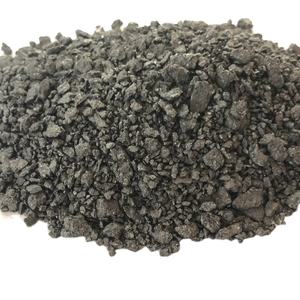
(Lithium ion Battery Anode Material Carbon-Coated Silicon Powder)
Applications of Lithium ion Battery Anode Material Carbon-Coated Silicon Powder
Izimoto zikagesi (EVs): Silicon anodes can significantly extend EV driving ranges by increasing battery energy density.
I-Consumer Electronics: Enhance battery life in smartphones, amalaptop, and wearables, enabling thinner devices or longer usage times.
Energy Storage Systems (ESS): Improve grid-scale energy storage efficiency and duration for renewable energy sources like solar and wind.
I-Aerospace: Enable lighter and more powerful batteries for unmanned aerial vehicles (UAVs) and satellites.
Iphrofayela Yenkampani
I-Graphite-Corp iyinhlangano yomhlaba wonke ethenjwayoamakhemikhali umphakeli wezinto ezibonakalayo & Umkhiqizi onolwazi olungaphezu kweminyaka eyi-12 ekuhlinzekeni ngekhwalithi ephezulu kakhulu ye-graphite powder kanye nemikhiqizo ye-graphene.
Le nkampani inomnyango wezobuchwepheshe oqeqeshiwe kanye noMnyango Wokuqondisa Ikhwalithi, ilabhorethri efakwe kahle, futhi ifakwe imishini yokuhlola ethuthukisiwe kanye nesikhungo senkonzo yamakhasimende ngemva kokuthengisa.
Uma ufuna i-graphite powder yekhwalithi ephezulu kanye nemikhiqizo ehlobene, sicela ukhululeke ukuxhumana nathi noma uchofoze imikhiqizo edingekayo ukuze uthumele umbuzo.
Izindlela Zokukhokha
L/C, T/T, i-Western Union, I-Paypal, Ikhadi lesikweletu njll.
Ukuthunyelwa
Yayingathunyelwa olwandle, ngomoya, noma ngokuveza ASAP ngokushesha ngemuva kokuthola irisidi yokukhokha.
FAQs of Lithium ion Battery Anode Material Carbon-Coated Silicon Powder
Q: Why isn’t silicon already widely used in commercial batteries if it has such high capacity?
A: Silicon’s massive volume expansion during charging leads to electrode degradation and reduced cycle life. Researchers are working on overcoming this issue through material engineering and design innovations.
Q: How do researchers address the issue of silicon’s volume expansion?
A: Strategies include using nanostructured silicon, creating silicon composites with carbon or other materials, and designing porous structures to accommodate expansion.
Q: Is Lithium ion Battery Anode Material Carbon-Coated Silicon Powder more expensive than graphite ones?
A: Pure silicon is cheaper than graphite, but the processing and engineering required to make it viable as an anode material can increase costs. Nokho, improvements in manufacturing processes are expected to lower costs over time.
Q: Does Lithium ion Battery Anode Material Carbon-Coated Silicon Powder affect battery charging time?
A: Silicon anodes alone do not inherently affect charging speed, but battery design and the choice of other components can influence charging rates.
Q: What is the current status of silicon anode technology in commercial batteries?
A: Some manufacturers are already incorporating silicon into graphite anodes in a blended form to enhance capacity modestly, while others are developing pure silicon or silicon composite anodes for high-end applications. Nokho, widespread commercialization of pure silicon anodes is still in progress as researchers work to improve cycle life and manufacturability.
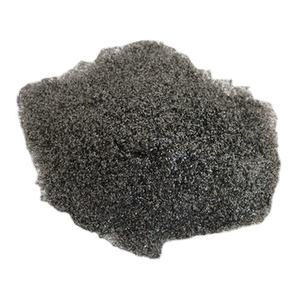
(Lithium ion Battery Anode Material Carbon-Coated Silicon Powder)
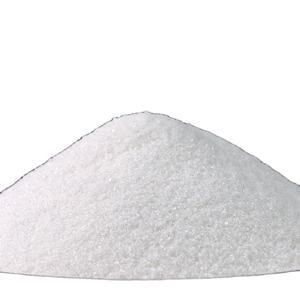
(Lithium ion Battery Anode Material Carbon-Coated Silicon Powder)
CELA I-QUOTE
IMIKHIQIZO EHLOBANE

Lithium Battery Anode Material Carbon-coated Silicon Powder
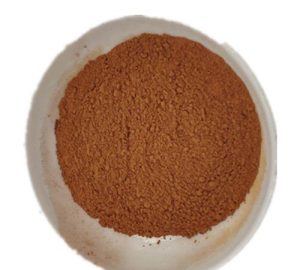
High Purity Silicon Carbon Anode Materials Powder for Li-ion Battery Anode material

Silicon-carbon materials possess high energy density, low expansion, and long cycle life, making them suitable for high-energy-density applications in solid-state, semi-solid-state, and liquid batteries.series-TRGT2000
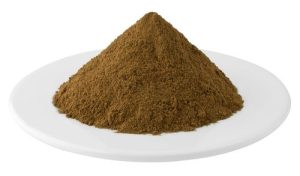
Silicon-Carbon Composite Anode Material for Battery s
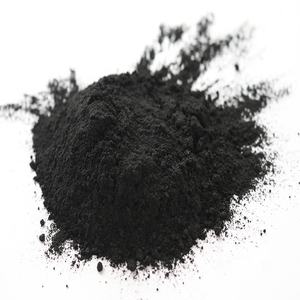
High Capacity Silicon Carbon Graphite Powder for Anode Material of Li-ion Batteries