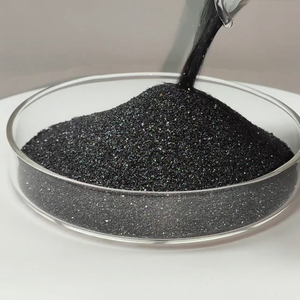
Proveedor u xooko'obo' grafito j-ka'ansajo'ob, grafito uti'al EV, grasa, horno yéetel je'el ba'ax uláak' industria.

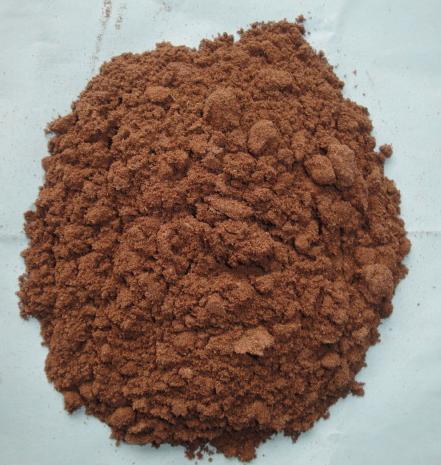
PARÁMETRO'OB TI' LE PRODUCTO
Bixil
The anode material of lithium-ion batteries, also known as the cathode material, can be either silicon or a composite material based on the design and desired properties.
(Lithium Ion Battery Anode Materials Silicon /Si Based Composite Materials)
Overview of Lithium Ion Battery Anode Materials Silicon /Si Based Composite Materials
Silicon anode material is a high-capacity alternative to traditional graphite anodes in lithium-ion batteries. Silicio, with its significantly higher theoretical specific capacity (yo'osal 4200 mAh/g compared to graphite’s 372 mAh/g), promises to dramatically increase the energy density of batteries. This feature has made silicon anodes a focal point of research and development for next-generation batteries, particularly in applications requiring extended battery life or reduced weight, such as electric vehicles (EVs) and portable electronics.
Features of Lithium Ion Battery Anode Materials Silicon /Si Based Composite Materials
High Lithium-Ion Capacity: Silicon can store much more lithium than graphite, theoretically resulting in substantial improvements in battery energy density.
Abundance and Sustainability: Silicon is the second most abundant element in the Earth’s crust, making it a readily available and sustainable option for battery production.
Low Reduction Potential: Facilitates efficient lithium insertion during battery charging.
Non-Toxic: Unlike some other high-capacity materials, silicon is non-toxic and environmentally friendly.
Challenges with Volume Expansion: Silicon experiences a volumetric expansion of up to 400% upon lithium absorption, leading to mechanical stress and potential electrode degradation.

(Lithium Ion Battery Anode Materials Silicon /Si Based Composite Materials)
Parameters of Lithium Ion Battery Anode Materials Silicon /Si Based Composite Materials
The anode material of lithium-ion batteries, also known as the cathode material, can be either silicon or a composite material based on the design and desired properties.
Silicon is the most commonly used cathode material for lithium-ion batteries due to its high energy density, low cost, and compatibility with a wide range of chemical reagents. Chen ba'ale, silicon has some limitations such as its relatively low melting point, making it difficult to fabricate thin films and structures, and its low conductivity compared to other materials like carbon.
A composite cathode material based on silicon or other materials such as metal oxides or perovskites is a promising alternative to silicon due to its higher efficiency, better performance in extreme environments, and the possibility of tailoring its properties for specific applications.
The parameter used to describe the properties of these materials include their charge capacity, discharge power density, temperature stability, kuxtal u ciclo, kanáanbal, and environmental impact. These parameters are critical to determine the performance and safety of lithium-ion batteries and should be carefully optimized during the battery development process.
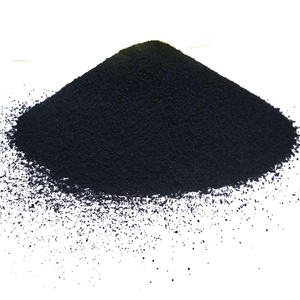
(Lithium Ion Battery Anode Materials Silicon /Si Based Composite Materials)
Applications of Lithium Ion Battery Anode Materials Silicon /Si Based Composite Materials
Vehículos eléctricos (EVs): Silicon anodes can significantly extend EV driving ranges by increasing battery energy density.
Electrónica ti' le consumidor: Enhance battery life in smartphones, laptops, and wearables, enabling thinner devices or longer usage times.
Energy Storage Systems (ESS): Improve grid-scale energy storage efficiency and duration for renewable energy sources like solar and wind.
Aeroespacial: Enable lighter and more powerful batteries for unmanned aerial vehicles (UAVs) and satellites.
Perfil ti' le empresa
Graphite-Corp jach jump'éel global confiablequímico proveedor u xooko'obo' & fabricante yéetel asab u 12 ja'abo'ob yaan ti' kaambalo'ob ti' le suministro super ka'anal calidad juuch'bil grafito yéetel yik'áalil grafeno.
Le empresa yaan ti' jump'éel departamento técnico j-ka'ansajo'ob yéetel Departamento supervisión calidad, jump'éel laboratorio ma'alob nu'ukulo'ob, yéetel equipado yéetel nu'ukulil prueba avanzada yéetel chúumukil mayaj ti' le cliente post-venta.
Wa ka kaxtik juuch'bil grafito ka'anal calidad yéetel yik'áalil relativos, ma' dude ti' contactar k wa u beetik clic ti' le yik'áalil k'a'abeto'ob utia'al túuxtik jump'éel consulta.
Bix u bo'otik
L/C, T/T, Western Union, Paypal, Tarjeta de crédito etc.
Envío
je'el u páajtal u túuxta'al tumen k'áak'náab, tumen iik', wa tumen revelar ASAP uts séeb bey recibo u reembolso.
FAQs of Lithium Ion Battery Anode Materials Silicon /Si Based Composite Materials
K: Why isn’t silicon already widely used in commercial batteries if it has such high capacity?
JUNTÚUL: Silicon’s massive volume expansion during charging leads to electrode degradation and reduced cycle life. Researchers are working on overcoming this issue through material engineering and design innovations.
K: How do researchers address the issue of silicon’s volume expansion?
JUNTÚUL: Strategies include using nanostructured silicon, creating silicon composites with carbon or other materials, and designing porous structures to accommodate expansion.
K: Is Lithium Ion Battery Anode Materials Silicon /Si Based Composite Materials more expensive than graphite ones?
JUNTÚUL: Pure silicon is cheaper than graphite, but the processing and engineering required to make it viable as an anode material can increase costs. Chen ba'ale, improvements in manufacturing processes are expected to lower costs over time.
K: Does Lithium Ion Battery Anode Materials Silicon /Si Based Composite Materials affect battery charging time?
JUNTÚUL: Silicon anodes alone do not inherently affect charging speed, but battery design and the choice of other components can influence charging rates.
K: What is the current status of silicon anode technology in commercial batteries?
JUNTÚUL: Some manufacturers are already incorporating silicon into graphite anodes in a blended form to enhance capacity modestly, while others are developing pure silicon or silicon composite anodes for high-end applications. Chen ba'ale, widespread commercialization of pure silicon anodes is still in progress as researchers work to improve cycle life and manufacturability.
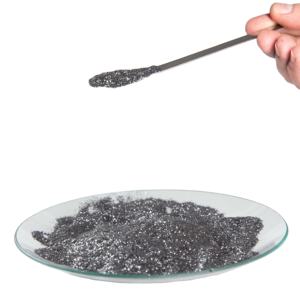
(Lithium Ion Battery Anode Materials Silicon /Si Based Composite Materials)
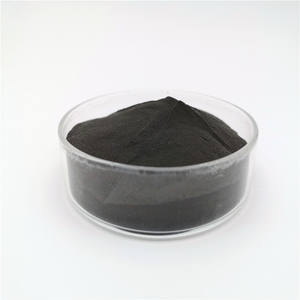
(Lithium Ion Battery Anode Materials Silicon /Si Based Composite Materials)
K'ÁAT JUMP'ÉEL COTIZACIÓN
YIK'ÁALO'OB RELACIONADO
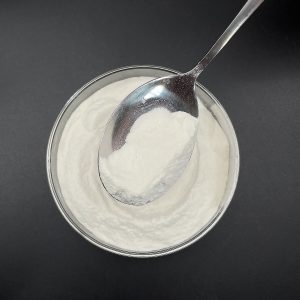
New Type Battery Anode Materials Silicon Anode Si Based Composite Materials S400/420/450/500/550/650
Off Grid Solar Power Energy Panel 10000 Watt Solar System 10 KW Silicon Ordinary Customized Steel Acid Stainless Battery Time
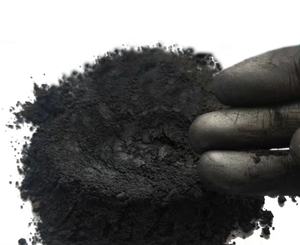
Le materiales silicio-carbono yaan ti'ob ka'anal densidad energía, t'okik expansión, yéetel chowak kuxtal, beetik u jach ma'alob uti'al u aplicaciones u ka'anal densidad energía ti' estado sólido, semi-sólido-noj, yéetel baterías líquidas.series-TRGT800
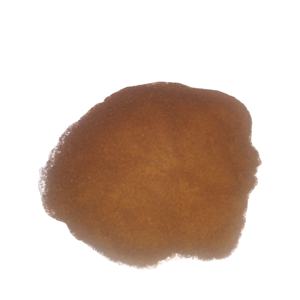
Lithium Ion Battery Silicon Si Based Graphite for Battery Anode Materials
Energy saving activated carbon rotary kiln condenser coal carbonization furnace for silicon battery anode raw materials