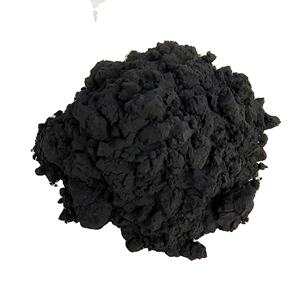
Ọjọgbọn lẹẹdi ohun elo olupese, lẹẹdi fun EV, girisi, ileru ati awọn eyikeyi miiran ise.


Ọja parameters
Apejuwe
The Silicon Carbon SI-C composite anode materials for battery research parameter may vary depending on the specific application and requirements of the battery. Sibẹsibẹ, some general parameters that can be considered include:
(Silicon Carbon SI-C Composite Anode Materials For Battery Research)
Overview of Silicon Carbon SI-C Composite Anode Materials For Battery Research
Silicon anode material is a high-capacity alternative to traditional graphite anodes in lithium-ion batteries. Silikoni, with its significantly higher theoretical specific capacity (about 4200 mAh/g compared to graphite’s 372 mAh/g), promises to dramatically increase the energy density of batteries. This feature has made silicon anodes a focal point of research and development for next-generation batteries, particularly in applications requiring extended battery life or reduced weight, such as electric vehicles (EVs) and portable electronics.
Features of Silicon Carbon SI-C Composite Anode Materials For Battery Research
High Lithium-Ion Capacity: Silicon can store much more lithium than graphite, theoretically resulting in substantial improvements in battery energy density.
Abundance and Sustainability: Silicon is the second most abundant element in the Earth’s crust, making it a readily available and sustainable option for battery production.
Low Reduction Potential: Facilitates efficient lithium insertion during battery charging.
Non-Toxic: Unlike some other high-capacity materials, silicon is non-toxic and environmentally friendly.
Challenges with Volume Expansion: Silicon experiences a volumetric expansion of up to 400% upon lithium absorption, leading to mechanical stress and potential electrode degradation.
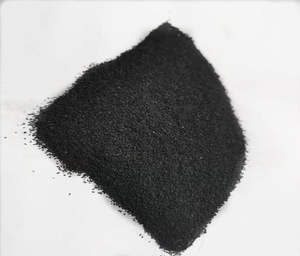
(Silicon Carbon SI-C Composite Anode Materials For Battery Research)
Parameters of Silicon Carbon SI-C Composite Anode Materials For Battery Research
The Silicon Carbon SI-C composite anode materials for battery research parameter may vary depending on the specific application and requirements of the battery. Sibẹsibẹ, some general parameters that can be considered include:
* Material density: The density of the material determines its mechanical strength, weight, and volume.
* Thermal conductivity: This parameter refers to how well the material conducts heat from or into the battery.
* Electric conductivity: This parameter is important for determining how easily the material can conduct electricity.
* Electrical stability: The ability of the material to maintain its electrical properties over time, especially in different temperature and environmental conditions.
* Surface area: The surface area of the material affects its surface reactions with the electrolyte, which can impact the overall performance of the battery.
* Durability: The material’s resistance to degradation and wear over time.
It’s important to note that these are just a few examples, and there may be other parameters that are relevant to your specific use case.

(Silicon Carbon SI-C Composite Anode Materials For Battery Research)
Applications of Silicon Carbon SI-C Composite Anode Materials For Battery Research
Awọn ẹrọ itanna (EVs): Silicon anodes can significantly extend EV driving ranges by increasing battery energy density.
Onibara Electronics: Enhance battery life in smartphones, kọǹpútà alágbèéká, and wearables, enabling thinner devices or longer usage times.
Energy Storage Systems (ESS): Improve grid-scale energy storage efficiency and duration for renewable energy sources like solar and wind.
Ofurufu: Enable lighter and more powerful batteries for unmanned aerial vehicles (UAVs) and satellites.
Ifihan ile ibi ise
Graphite-Corp jẹ igbẹkẹle agbayekemikali ohun elo olupese & olupese pẹlu diẹ sii ju ọdun 12-iriri ni ipese Super ga-didara lulú graphite ati awọn ọja graphene.
Ile-iṣẹ naa ni ẹka imọ-ẹrọ ọjọgbọn ati Ẹka Abojuto Didara, yàrá ti o ni ipese daradara, ati ipese pẹlu to ti ni ilọsiwaju igbeyewo ẹrọ ati lẹhin-tita onibara iṣẹ aarin.
Ti o ba n wa lulú lẹẹdi didara giga ati awọn ọja ibatan, jọwọ lero free lati kan si wa tabi tẹ lori awọn ọja ti o nilo lati firanṣẹ ibeere kan.
Awọn ọna isanwo
L/C, T/T, Western Union, Paypal, Kaadi Kirẹditi ati bẹbẹ lọ.
Gbigbe
O le jẹ gbigbe nipasẹ okun, nipa afẹfẹ, tabi nipasẹ fifihan ASAP ni kete ti iwe isanpada.
FAQs of Silicon Carbon SI-C Composite Anode Materials For Battery Research
Q: Why isn’t silicon already widely used in commercial batteries if it has such high capacity?
A: Silicon’s massive volume expansion during charging leads to electrode degradation and reduced cycle life. Researchers are working on overcoming this issue through material engineering and design innovations.
Q: How do researchers address the issue of silicon’s volume expansion?
A: Strategies include using nanostructured silicon, creating silicon composites with carbon or other materials, and designing porous structures to accommodate expansion.
Q: Is Silicon Carbon SI-C Composite Anode Materials For Battery Research more expensive than graphite ones?
A: Pure silicon is cheaper than graphite, but the processing and engineering required to make it viable as an anode material can increase costs. Sibẹsibẹ, improvements in manufacturing processes are expected to lower costs over time.
Q: Does Silicon Carbon SI-C Composite Anode Materials For Battery Research affect battery charging time?
A: Silicon anodes alone do not inherently affect charging speed, but battery design and the choice of other components can influence charging rates.
Q: What is the current status of silicon anode technology in commercial batteries?
A: Some manufacturers are already incorporating silicon into graphite anodes in a blended form to enhance capacity modestly, while others are developing pure silicon or silicon composite anodes for high-end applications. Sibẹsibẹ, widespread commercialization of pure silicon anodes is still in progress as researchers work to improve cycle life and manufacturability.
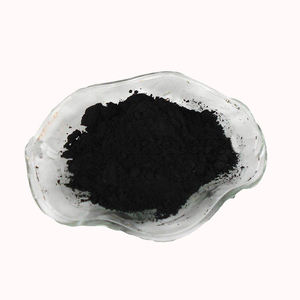
(Silicon Carbon SI-C Composite Anode Materials For Battery Research)

(Silicon Carbon SI-C Composite Anode Materials For Battery Research)
BERE ORO
Awọn ọja ti o jọmọ
Lithium Ion Battery Anode Silicon Based Materials Silicon Oxide SiOx SIO-C Composite Material
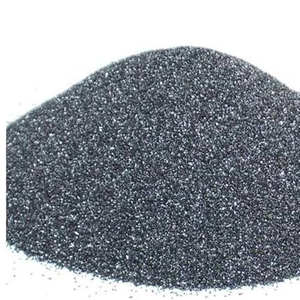
High Capacity Battery Materials Si/Silicon Based Composite Material for Lithium ion Battery Anode

Silicon Anode Materials SIO Materials With Different Capacity
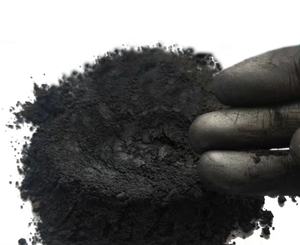
Silicon-carbon materials possess high energy density, low expansion, and long cycle life, making them suitable for high-energy-density applications in solid-state, semi-solid-state, and liquid batteries.series-TRGT800
SiO SiC Silicon Based Composite Materials Anode Materials Li-Ion Battery Raw Materials