פאַכמאַן גראַפייט מאַטעריאַל סאַפּלייער, גראַפייט פֿאַר EV, שמירן, אויוון און קיין אנדערע ינדאַסטריז.

(לי-יאָן באַטעריז און גראַפיטע אַנאָדעס)
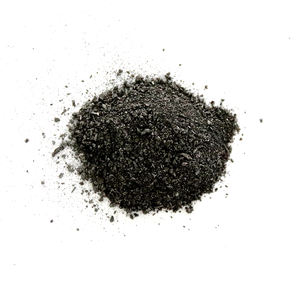
א גראַפייט אַנאָוד איז די האַרץ פון אַ ליטהיום-יאָן באַטאַרייע. זיין קריסטאַל סטרוקטור איז יינציק פּאַסיק פֿאַר האָסטינג לי-יאַנז אין סדר צו קראָם ענערגיע, a process known as intercalation. While a lot of attention is given to the cathode materials – lithium, ניקאַל, cobalt and manganese – it is graphite that accounts for around 28% of the overall mass of an EV Li-ion battery. ווי אַזאַ, a dependable and plentiful supply of specialized battery graphite is vital for meeting the needs of the rapidly growing EV market.
The primary raw material used to produce a graphite anode is natural flake and synthetic graphite produced from petroleum coke and coal. The graphite anode’s performance is significantly improved by a number of chemical purification and thermal treatment processes. In the end however, it is its electrochemical properties that determine its performance in an EV battery.
Graphite is also the most economical material to use for anode production. While it is possible to produce anodes from other materials, such as silicon, they are not as economic and exhibit limited cyclability.
It is well documented that calendar aging degrades cycle life of LIBs with graphite anodes21, but the mechanism remains unclear. It is known that silicon monoxide (SiO) present in the graphite/SiO anode accelerates SiO lithiation and de-intercalation, but it has been assumed that its effect is limited by the formation of the stable SEI.
אין דעם אַרטיקל, we show that the stable SEI can be compromised by SiO even after prolonged high-temperature storage and reveal that it allows SiO lithiation to occur much faster than without it. This is a fundamental finding that opens new avenues to improve LIB performance by eliminating the need for silicon in the anode.
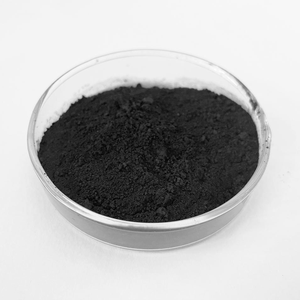
(לי-יאָן באַטעריז און גראַפיטע אַנאָדעס)