


Taata hoo tao'a graphite toro'a, hoho'a no te EV, hinu, te umu e te tahi atu mau fare hamaniraa tauihaa.


TE MAU PARAMETERS
Tuʻaroʻa
The parameter “LA136D” in the context of water-based Aqueous binder LA136D for lithium-ion battery silicon carbon anode is likely referring to a specific chemical formula or molecular weight that makes up the binder.
(Water-based Aqueous Binder LA136D For Lithium Ion Battery Silicon Carbon Anode Binder)
Overview of Water-based Aqueous Binder LA136D For Lithium Ion Battery Silicon Carbon Anode Binder
Silicon anode material is a high-capacity alternative to traditional graphite anodes in lithium-ion batteries. Silicon, with its significantly higher theoretical specific capacity (about 4200 mAh/g compared to graphite’s 372 mAh/g), promises to dramatically increase the energy density of batteries. This feature has made silicon anodes a focal point of research and development for next-generation batteries, particularly in applications requiring extended battery life or reduced weight, such as electric vehicles (EVs) and portable electronics.
Features of Water-based Aqueous Binder LA136D For Lithium Ion Battery Silicon Carbon Anode Binder
High Lithium-Ion Capacity: Silicon can store much more lithium than graphite, theoretically resulting in substantial improvements in battery energy density.
Abundance and Sustainability: Silicon is the second most abundant element in the Earth’s crust, making it a readily available and sustainable option for battery production.
Low Reduction Potential: Facilitates efficient lithium insertion during battery charging.
Non-Toxic: Unlike some other high-capacity materials, silicon is non-toxic and environmentally friendly.
Challenges with Volume Expansion: Silicon experiences a volumetric expansion of up to 400% upon lithium absorption, leading to mechanical stress and potential electrode degradation.
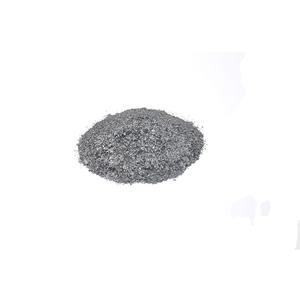
(Water-based Aqueous Binder LA136D For Lithium Ion Battery Silicon Carbon Anode Binder)
Parameters of Water-based Aqueous Binder LA136D For Lithium Ion Battery Silicon Carbon Anode Binder
The parameter “LA136D” in the context of water-based Aqueous binder LA136D for lithium-ion battery silicon carbon anode is likely referring to a specific chemical formula or molecular weight that makes up the binder.
Āre'a, without additional information about the specific formulation and use conditions of the binder, it is difficult to provide a precise interpretation of the parameter “LA136D”. I te rahiraa o te taime, the performance properties of a liquid binder can depend on various factors such as the chemical composition, physical state (e.g., liquid, powder), and concentration of binder particles. To obtain more accurate information about the behavior of the LA136D binder in your application, you may need to consult relevant literature or consult with experts in the field of batteries or materials science.

(Water-based Aqueous Binder LA136D For Lithium Ion Battery Silicon Carbon Anode Binder)
Applications of Water-based Aqueous Binder LA136D For Lithium Ion Battery Silicon Carbon Anode Binder
Electric Vehicles (EVs): Silicon anodes can significantly extend EV driving ranges by increasing battery energy density.
Consumer Electronics: Enhance battery life in smartphones, roro uira, e te mau ahu, enabling thinner devices or longer usage times.
Energy Storage Systems (ESS): Improve grid-scale energy storage efficiency and duration for renewable energy sources like solar and wind.
Aerospace: Enable lighter and more powerful batteries for unmanned aerial vehicles (UAVs) and satellites.
Hoho'a o te Taiete
Graphite-Corp is a trusted globalchemical material supplier & te taata hamani tao'a hau atu i te 12 matahiti i roto i te horo'araa i te mau tao'a graphite e te mau tao'a graphene maitai roa a'e.
E tuhaa fenua toro'a to te taiete e te hoê tuhaa fenua no te hi'opo'araa i te maitai, te hoê piha maimiraa tei faaineine-maitai-hia, e te mau rave'a hi'opo'araa aravihi e te hoê pû taviniraa i muri a'e i te hooraa.
Mai te mea e, te imi ra outou i te hoê puehu graphite maitai roa e te mau tao'a atoa, Aita e feaaraa ia haafatata ' tu ia matou aore râ, a tairi i nia i te mau tao'a e hinaarohia no te hapono i te hoê uiraa.
Te mau rave'a aufau
L/C, T/T, Tooa o te râ, Paypal, Tareta tarahu etc.
Te tonoraa
E nehenehe te reira e tonohia na nia i te moana, na roto i te reva, e aore râ, na roto i te faaiteraa i te ASAP i muri noa ' ' e i te fariiraa i te moni hoo.
FAQs of Water-based Aqueous Binder LA136D For Lithium Ion Battery Silicon Carbon Anode Binder
Q: Why isn’t silicon already widely used in commercial batteries if it has such high capacity?
TE: Silicon’s massive volume expansion during charging leads to electrode degradation and reduced cycle life. Researchers are working on overcoming this issue through material engineering and design innovations.
Q: How do researchers address the issue of silicon’s volume expansion?
TE: Strategies include using nanostructured silicon, creating silicon composites with carbon or other materials, and designing porous structures to accommodate expansion.
Q: Is Water-based Aqueous Binder LA136D For Lithium Ion Battery Silicon Carbon Anode Binder more expensive than graphite ones?
TE: Pure silicon is cheaper than graphite, but the processing and engineering required to make it viable as an anode material can increase costs. Āre'a, improvements in manufacturing processes are expected to lower costs over time.
Q: Does Water-based Aqueous Binder LA136D For Lithium Ion Battery Silicon Carbon Anode Binder affect battery charging time?
TE: Silicon anodes alone do not inherently affect charging speed, but battery design and the choice of other components can influence charging rates.
Q: What is the current status of silicon anode technology in commercial batteries?
TE: Some manufacturers are already incorporating silicon into graphite anodes in a blended form to enhance capacity modestly, while others are developing pure silicon or silicon composite anodes for high-end applications. Āre'a, widespread commercialization of pure silicon anodes is still in progress as researchers work to improve cycle life and manufacturability.
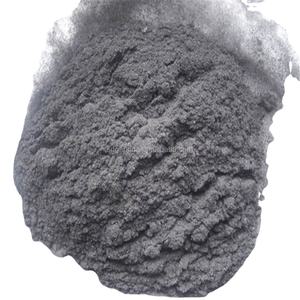
(Water-based Aqueous Binder LA136D For Lithium Ion Battery Silicon Carbon Anode Binder)
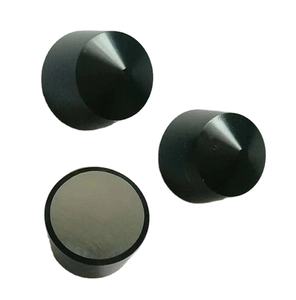
(Water-based Aqueous Binder LA136D For Lithium Ion Battery Silicon Carbon Anode Binder)
A TINIRAA I TE HOÊ PARAU
TE MAU HOO'A NO NI'A I TE
SiC silicon carbide negative electrode material for battery
PAA binder for silicon anode materials for lithium battery research
TOB Lithium Ion Battery Electrolyte for Silicon-Carbon Based Anodes
Anode Material for Li-ion Battery Silicon Coated Carbon Anode Silicon Graphite Powder
Silicon Anode Materials SlO Materials With Different Capacity for Battery Production
