Профессиональ графит материал белән тәэмин итүче, EV өчен графит, майлау, мич һәм бүтән тармаклар.


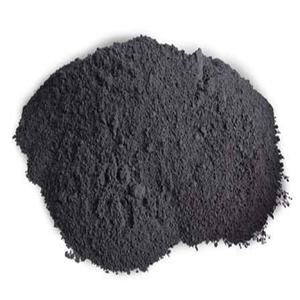
(Графит нәрсә ул?)
Графит - кристалл углеродтан торган минерал, һәм табигый рәвештә метаморфик һәм утсыз кыяларда була. Ул металл һәм металл булмаган үзлекләрен күрсәтә, which make it ideal for many industrial applications.
Алмаздан аермалы буларак, which crystallizes in a tetrahedral system, graphite has a hexagonal structure where it consists of rings of six carbon atoms tightly bonded together in widely spaced layers. This three-dimensional structure is responsible for the graphite’s physical characteristics, which include electrical conductivity and lubricity.
Its cleavage and extreme softness, as well as its greasy feel, make it a useful material for pencils, буяулар, һәм майлау материаллары. It is also a popular medium for art and photography.
The crystalline structure of graphite makes it the most stable form of carbon under standard conditions. The atoms of carbon bond into the hexagonal layers using three strong covalent bonds. These bonds are surrounded by delocalized electrons, which allow the carbon atoms to slide along the planes of the graphite layers and create a good electrical conductor.
There are other forms of crystalline carbon, but none of them can compete with the physical and chemical properties of graphite. Some examples of other crystalline carbon compounds are fullerenes (buckyballs), nano-tubes, and graphene.
Natural graphite is in high demand in a variety of industries, including the steel industry (заводлар), the automotive and electric motor industry (тормоз полосалары, савытлар, clutch materials, һ.б.) and the lithium ion battery (“LiB”) industry (анод материалы). The LiB market has been growing 20% per year for the past five or six years and is now expected to consume 25% of global graphite production.
(Графит нәрсә ул?)
Бәйләнешле язмалар

Электр машинасы литий батарейкаларын ничек төзәтергә
Ясалма графит порошогы

Алга китеш! Галимнәр Нано кремний анодының литий-ион батарейкаларының сыйдырышлыгын күпкә арттыра алуын ачыкладылар

EDM өстенлекләре
Литий батарейкаларында яңа композит уңай электрод материалларын куллану