Supplier bahan grafit profésional, grafit pikeun EV, gajih, tungku jeung sagala industri lianna.

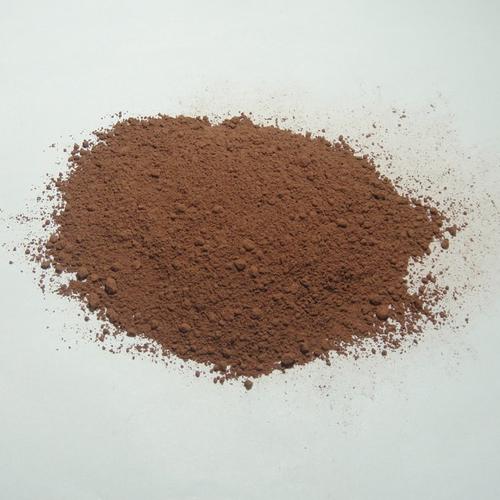
PARAMETER PRODUK
Katerangan
Graphene is a high-strength, flexible, and one-dimensional material that can be used for various applications such as electronics, optical, and computational devices. In terms of its properties, it has been studied extensively for several decades due to its unique electronic structure and unique light absorption and emission behaviors.
(Graphene – Single layers of Graphene)
Overview of Graphene – Single layers of Graphene
Graphene is a single layer of carbon atoms arranged in a hexagonal lattice, forming a two-dimensional material with remarkable properties. Discovered in 2004, it has since captivated the scientific community and industry alike due to its unique combination of strength, conductivity, and flexibility. Graphene is essentially a single, flat sheet of graphite, the material found in pencil lead, but its properties are vastly different when isolated into a single atomic layer.
Features of Graphene – Single layers of Graphene
Unmatched Strength: Graphene is the strongest known material, with a tensile strength of around 130 gigapascals, surpassing steel by a factor of over 100.
Extreme Flexibility: Despite its strength, graphene is highly flexible and can be bent, twisted, or rolled without breaking.
Exceptional Electrical Conductivity: It conducts electricity exceptionally well, with electrons moving at velocities approaching the speed of light, making it ideal for electronics.
Thermal Conductivity: Graphene is also an excellent thermal conductor, dispersing heat efficiently, useful in heat management applications.
Transparency: It is nearly transparent, absorbing only 2.3% of light, which, coupled with its conductivity, makes it suitable for transparent electrodes in displays.
Chemically Inert: Graphene is highly resistant to corrosion and stable under a wide range of chemical conditions.

(Graphene – Single layers of Graphene)
Parameter of Graphene – Single layers of Graphene
Graphene is a high-strength, flexible, and one-dimensional material that can be used for various applications such as electronics, optical, and computational devices. In terms of its properties, it has been studied extensively for several decades due to its unique electronic structure and unique light absorption and emission behaviors.
One of the key features of graphene is its high electrical conductivity, which makes it an ideal candidate for use in electronic devices such as transistors, sensors, and energy storage systems. Sajaba, graphene’s high resistance to electrostatic short-circuiting means it can be used to create powerful capacitors, power cells, and other electronic components.
Sanajan kitu, despite its many potential applications, graphene also faces some challenges when compared to traditional materials like metals or ceramics. One of these challenges is its susceptibility to chemical reactions and can cause defects during manufacturing. Another challenge is its high thermal conductivity, which means it can absorb heat quickly and become hot even at low temperatures.
To overcome these challenges, researchers have developed new techniques for graphene synthesis, such as chemisorption-based processing, which involves applying a chemical catalyst to form a specific chemical bond between two carbon atoms in graphene. This allows for the creation of nano-scale structures with improved electrical and thermal performance.
In addition, there are ongoing efforts to develop graphene composites that combine the unique electronic and mechanical properties of graphene with other materials, such as iron oxide or copper oxide, to create new types of devices with exceptional properties. These composite structures have the potential to revolutionize the field of electronic technology and have been shown promising results in a range of applications.

(Graphene – Single layers of Graphene)
Applications of Graphene – Single layers of Graphene
Electronics: In transistors, touchscreens, and flexible electronics due to its conductivity and flexibility, potentially revolutionizing device design.
Energy Storage: As electrodes in batteries and supercapacitors, improving energy storage capacity and charging rates.
Sensors: High sensitivity and conductivity make graphene ideal for chemical and biological sensors.
Composites: Reinforcing materials like plastics, metals, and concrete to enhance strength and conductivity.
Water Filtration: Its atomically thin structure enables efficient filtration of contaminants, including salts, viruses, and bacteria.
Medicine: Potential uses include drug delivery systems and bio-sensors due to its biocompatibility and unique properties.
Profil Perusahaan
Graphite-Corp is a trusted global chemical material supplier & produsén kalawan leuwih 12-taun-pangalaman dina nyadiakeun super kualitas luhur bubuk grafit jeung produk graphene.
Perusahaan ngagaduhan jabatan téknis profésional sareng Departemen Pengawasan Kualitas, laboratorium anu dilengkepan ogé, sarta dilengkepan parabot nguji canggih tur sanggeus-jualan puseur layanan palanggan.
Lamun Anjeun keur pilari bubuk grafit kualitas luhur jeung produk relatif, mangga ngarasa Luncat ngahubungan kami atawa klik dina produk diperlukeun pikeun ngirim hiji panalungtikan.
Métode pamayaran
L/C, T/T, persatuan urang Barat, Paypal, Kartu kiridit jsb.
Pangiriman
Éta tiasa dikirim ku laut, ku hawa, atanapi ku nembongkeun ASAP pas repayment resi.
FAQs of Graphene – Single layers of Graphene
Q: Is Graphene – Single layers of Graphene safe for the environment and human health?
A: Research on the environmental and health impacts of graphene is ongoing. While graphene itself is considered relatively inert, concerns exist regarding the potential toxicity of graphene oxide and other derivatives, especially in aquatic ecosystems.
Q: How is Graphene – Single layers of Graphene produced?
A: Graphene can be produced through several methods, including mechanical exfoliation (peeling layers off graphite using adhesive tape), chemical vapor deposition (CVD), and chemical reduction of graphene oxide.
Q: Why is Graphene – Single layers of Graphene not yet widely used in commercial products?
A: Challenges in producing high-quality graphene at a scalable and cost-effective manner have hindered its widespread adoption. Sajaba, integrating graphene into existing manufacturing processes requires further technological advancements.
Q: Can Graphene – Single layers of Graphene be used to make stronger and lighter materials?
A: Absolutely, graphene’s addition to composite materials significantly improves their strength and stiffness while reducing weight, making them ideal for aerospace, automotive, and sports equipment.
Q: Does Graphene – Single layers of Graphene have any limitations?
A: While graphene possesses outstanding properties, challenges remain in harnessing its full potential, such as achieving high-quality mass production, managing its tendency to restack in composites, and addressing potential health and environmental concerns.
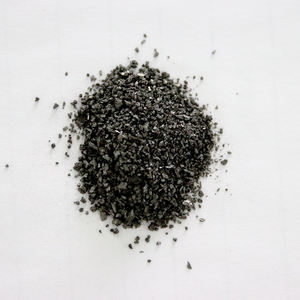
(Graphene – Single layers of Graphene)
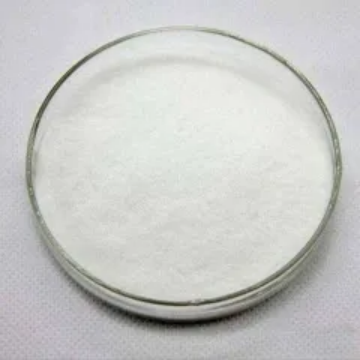
(Graphene – Single layers of Graphene)
MÉNTA CATETAN
produk patali

High Quality Warm Waterproof Anti Slip 220v Graphene Film Graphene Heat Mat Household Carbon Heating Carpet

Graphene LED Carbon Thermal Graphite Sheet natural Graphite Sheets
High Carbon Content 97%-99% Artificial Graphite 200 Mesh For Graphene/Battery

High-end High-quality Graphene Lightweight Electric Echargeabl Hand Warmer Power Bank Rechargeable Hand Warmer

EMAF Multifunctional Electronic USB Type-C Graphene Heating Cushion 3 temperature adjust Heated Car Seat Cover Heat Cushion Pad