Setsebi sa thepa ea graphite, graphite bakeng sa EV, mafura, sebōpi le liindasteri tse ling.

LITLHAKISO TSA LITŠOANTŠISO
Tlhaloso
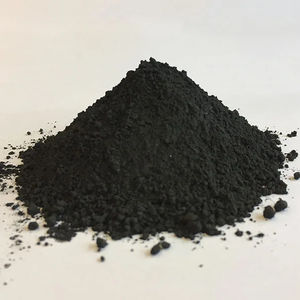
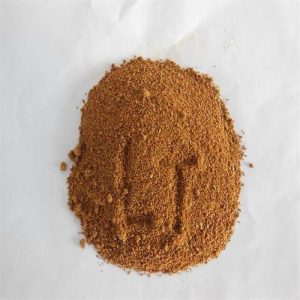
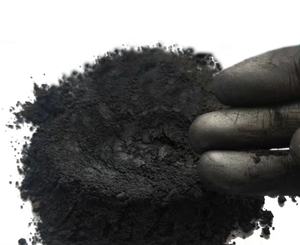
The high capacity SI-Anode powder BSO-1 silicon anode SiOx is designed to enhance the performance of lithium-ion batteries. Here are some parameters that can be considered when evaluating its performance:
(High Capacity SI-Anode Powder BSO-1 Silicon Anode SiOx for EV Lithium Ion Battery)
Overview of High Capacity SI-Anode Powder BSO-1 Silicon Anode SiOx for EV Lithium Ion Battery
Silicon anode material is a high-capacity alternative to traditional graphite anodes in lithium-ion batteries. Silicone, with its significantly higher theoretical specific capacity (about 4200 mAh/g compared to graphite’s 372 mAh/g), promises to dramatically increase the energy density of batteries. This feature has made silicon anodes a focal point of research and development for next-generation batteries, particularly in applications requiring extended battery life or reduced weight, such as electric vehicles (EVs) and portable electronics.
Features of High Capacity SI-Anode Powder BSO-1 Silicon Anode SiOx for EV Lithium Ion Battery
High Lithium-Ion Capacity: Silicon can store much more lithium than graphite, theoretically resulting in substantial improvements in battery energy density.
Abundance and Sustainability: Silicon is the second most abundant element in the Earth’s crust, making it a readily available and sustainable option for battery production.
Low Reduction Potential: Facilitates efficient lithium insertion during battery charging.
Non-Toxic: Unlike some other high-capacity materials, silicon is non-toxic and environmentally friendly.
Challenges with Volume Expansion: Silicon experiences a volumetric expansion of up to 400% upon lithium absorption, leading to mechanical stress and potential electrode degradation.

(High Capacity SI-Anode Powder BSO-1 Silicon Anode SiOx for EV Lithium Ion Battery)
Parameters of High Capacity SI-Anode Powder BSO-1 Silicon Anode SiOx for EV Lithium Ion Battery
The high capacity SI-Anode powder BSO-1 silicon anode SiOx is designed to enhance the performance of lithium-ion batteries. Here are some parameters that can be considered when evaluating its performance:
1. Material Properties: The chemical composition and structure of the SiOx powders determine their electrical properties, such as activation energy, ion mobility, and reactivity with other materials.
2. Filtration Efficiency: The efficiency of filtration can affect the concentration of impurities in the battery’s electrolyte, which can impact its overall performance.
3. Durability: The durability of the battery can be influenced by factors such as temperature stability, bophelo ba potoloho, and material degradation over time.
4. Polokeho: The safety of the battery during use can also be critical, and this can be influenced by factors such as flash heating, short-circuiting, and overheating.
5. Compatibility: The compatibility of the SiOx powders with different battery chemistries and components can also impact their performance.
To evaluate the high capacity SI-Anode powder BSO-1 silicon anode SiOx, you would need to consider these factors in conjunction with other parameters, such as voltage, current, and rate of charge. You may also want to perform experiments under controlled conditions to confirm the performance of the SiOx powders in your specific application.
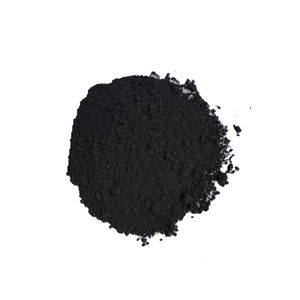
(High Capacity SI-Anode Powder BSO-1 Silicon Anode SiOx for EV Lithium Ion Battery)
Applications of High Capacity SI-Anode Powder BSO-1 Silicon Anode SiOx for EV Lithium Ion Battery
Likoloi tsa Motlakase (EVs): Silicon anodes can significantly extend EV driving ranges by increasing battery energy density.
Electronics ea bareki: Enhance battery life in smartphones, li-laptops, and wearables, enabling thinner devices or longer usage times.
Energy Storage Systems (ESS): Improve grid-scale energy storage efficiency and duration for renewable energy sources like solar and wind.
Sepakapaka: Enable lighter and more powerful batteries for unmanned aerial vehicles (UAVs) and satellites.
Boemo ba Khoebo
Graphite-Corp ke mokhatlo o tšepahalang lefatšeng ka bopharakhemikhale mofani oa thepa & moetsi ea nang le boiphihlelo bo fetang lilemo tse 12 ho fana ka phofo ea boleng bo holimo ea graphite le lihlahisoa tsa graphene.
Khampani e na le lefapha la litsebi tsa theknoloji le Lefapha la Tlhokomelo ea Boleng, laboratori e nang le lisebelisoa hantle, hape e na le lisebelisoa tse tsoetseng pele tsa tlhahlobo le setsi sa litšebeletso tsa bareki ka mor'a thekiso.
Haeba u batla phofo ea boleng bo holimo ea graphite le lihlahisoa tse amanang, ka kopo ikutloe u lokolohile ho ikopanya le rona kapa tobetsa lihlahisoa tse hlokahalang ho romella lipatlisiso.
Mekhoa ea Tefo
L/C, T/T, phetiso ea chelete e bitsoang western union, Paypal, Credit Card etc.
Thomello
E ne e ka tsamaisoa ka sekepe, ka moea, kapa ka ho senola ASAP hang feela ha resiti ea tefo.
FAQs of High Capacity SI-Anode Powder BSO-1 Silicon Anode SiOx for EV Lithium Ion Battery
Q: Why isn’t silicon already widely used in commercial batteries if it has such high capacity?
A: Silicon’s massive volume expansion during charging leads to electrode degradation and reduced cycle life. Researchers are working on overcoming this issue through material engineering and design innovations.
Q: How do researchers address the issue of silicon’s volume expansion?
A: Strategies include using nanostructured silicon, creating silicon composites with carbon or other materials, and designing porous structures to accommodate expansion.
Q: Is High Capacity SI-Anode Powder BSO-1 Silicon Anode SiOx for EV Lithium Ion Battery more expensive than graphite ones?
A: Pure silicon is cheaper than graphite, but the processing and engineering required to make it viable as an anode material can increase costs. Leha ho le joalo, improvements in manufacturing processes are expected to lower costs over time.
Q: Does High Capacity SI-Anode Powder BSO-1 Silicon Anode SiOx for EV Lithium Ion Battery affect battery charging time?
A: Silicon anodes alone do not inherently affect charging speed, but battery design and the choice of other components can influence charging rates.
Q: What is the current status of silicon anode technology in commercial batteries?
A: Some manufacturers are already incorporating silicon into graphite anodes in a blended form to enhance capacity modestly, while others are developing pure silicon or silicon composite anodes for high-end applications. Leha ho le joalo, widespread commercialization of pure silicon anodes is still in progress as researchers work to improve cycle life and manufacturability.

(High Capacity SI-Anode Powder BSO-1 Silicon Anode SiOx for EV Lithium Ion Battery)
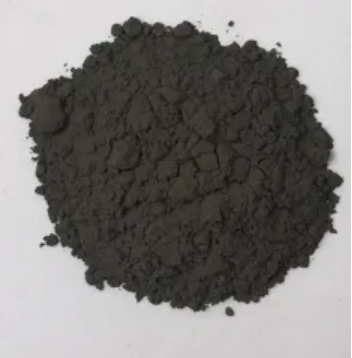
(High Capacity SI-Anode Powder BSO-1 Silicon Anode SiOx for EV Lithium Ion Battery)
KOPO KHOPO
LIHLAHISO TSE HLAHANG
480W 485W 490W 495W 500W 182mm Multi Busbar Technology Mono Silicon Material Solar Panel Inverter 220V
Lithium Ion Battery Anode Silicon Based Materials Silicon Oxide SiOx SIO-C Composite Material
Si Anode SI-C Silicon Anode Powder Lithium Ion Battery Anode Material
Silicon-carbon materials possess high energy density, low expansion, and long cycle life, making them suitable for high-energy-density applications in solid-state, semi-solid-state, and liquid batteries.series-TRGT800

Silicon Anode Materials SIO Materials With Different Capacity