


Setsebi sa thepa ea graphite, graphite bakeng sa EV, mafura, sebōpi le liindasteri tse ling.


LITLHAKISO TSA LITŠOANTŠISO
Tlhaloso
.Overview of Aerogel And Fiber Materials Raw Materials Silica Aerogel Insulation Blanket
Aerogel And Fiber Materials Raw Materials Silica Aerogel Insulation Blanket can meet the most demanding thermal insulation challenges across various industries. Potefolio ea rona e kenyelletsa phofo ea airgel, airgel thermal insulation coating, le li-insulation tsa airgel ka litlhaloso tse fapaneng, e 'ngoe le e' ngoe e entsoe bakeng sa ts'ebetso e phahameng.
Characteristics of Aerogel And Fiber Materials Raw Materials Silica Aerogel Insulation Blanket
Airgel Powder ke mofuta oa mantlha oa thepa ena ea phetoho, e tšoauoang ka sekhahla sa eona se tlase haholo le sebaka se phahameng sa bokaholimo. E sebetsa e le tlatsetso ea bohlokoa bakeng sa ho ntlafatsa thepa ea mocheso ka li-composites, dipolasetiki, likoahelo, le lisebelisoa tse sebetsang, ho tlisa nano-scale insulation matla ho metsoako ea hau.
The Airgel Thermal Insulation Coating e kopanya phofo ea rona ea thepa hore e be matla, tharollo e bonolo ho e sebelisa. Ho roala hona ho fana ka khanyetso e ikhethang ea mocheso, ho thibela boemo ba leholimo, le tšireletso ea kutu bakeng sa liphaephe, litanka, le meaho ea indasteri. E loketse li-geometri tse rarahaneng moo ho kenya letsoho ho tloaelehileng ho sa sebetseng, ho tiisa tahlehelo ea mocheso ka katleho.
Li-Airgel Insulation Felts tsa rona lia fetoha, likobo tse tšoarellang tse fumanehang ka botenya bo fapaneng, densities, le litekanyo ho lumellana le lits'ebetso tse fapaneng. Ho kopanya phenomenal insulating power of airgel le e sebetsang, sebopeho sa ho qala, li phethehile bakeng sa liphaephe tsa indasteri tsa mocheso o phahameng, Sistimi ea HVAC, lienfelopo tsa mohaho, le ho feta. Ba fana ka katleho e phahameng ea mocheso ka litlhoko tse fokolang tsa sebaka.

Specification of Aerogel And Fiber Materials Raw Materials Silica Aerogel Insulation Blanket
Silica Aerogel Insulation Blanket– Raw Material Specs
Core Composition
The insulation covering utilizes high-purity silica aerogel as its primary component. This aerogel is made with a sol-gel process complied with by supercritical drying. The result is a light-weight, extremely porous strong with superb thermal resistance. The product includes over 95% air by volume, which provides it impressive insulating properties.
Fiber Reinforcement
To add stamina and adaptability, the aerogel is combined with not natural fibers. These fibers are generally made from glass or ceramic materials. They create a secure matrix that holds the vulnerable aerogel framework with each other. This combination protects against breaking and makes the covering simple to deal with throughout installation.
Pureness and Additives
Resources satisfy rigorous purity standards. Silica resources are without heavy steels and organic impurities. No binders or chemical ingredients are made use of that can lower efficiency at heats. All components are selected to preserve security across a large temperature level range– from cryogenic conditions up to 650 °C (1200 ° F).
Physical Qualities
The last blanket has a density between 180– 220 kg/m SIX. It really feels soft yet solid, similar to really felt. Its thickness generally varies from 3 mm to 10 mm. The surface is uniform, without loosened bits or visible issues. Each roll corresponds in size and size to fit standard industrial applications.
Environmental and Security Notes
All basic materials are safe and non-combustible. They do not release harmful fumes when revealed to warmth. The product complies with worldwide safety guidelines for insulation products utilized in buildings, pipes, and commercial devices. Employees need to still wear handwear covers and eye security throughout managing to prevent small skin or eye irritability from fiber dirt.

Applications of Aerogel And Fiber Materials Raw Materials Silica Aerogel Insulation Blanket
Silica Aerogel Insulation Blanket: Advanced Protection for Demanding Settings
What It Is
The silica aerogel insulation covering incorporates ultra-lightweight silica aerogel with sturdy fiber materials. This creates a versatile, easy-to-install insulation solution. The product is mostly air– over 90%– which provides it remarkable thermal resistance in an extremely slim profile.
Where It’s Used
Oil and Gas Sector: Pipelines, refineries, and offshore platforms utilize this blanket to preserve process temperature levels and avoid heat loss. Its hydrophobic nature maintains performance steady even in wet problems.
Industrial Tools: Reactors, tank, and steam lines benefit from the blanket’s capacity to decrease power loss. It fits snugly around intricate forms without adding bulk.
Building and Construction: Designers define it for high-performance wall surfaces, roofing systems, and frontages where area is restricted yet insulation has to be solid. It aids fulfill strict power codes without thick layers of standard materials.
Transportation: Electric vehicles, trains, and aerospace systems make use of the blanket to manage battery temperature levels and protect delicate parts. Its light weight supports gas performance and array.
Cryogenic Applications: LNG containers and cold-chain logistics depend on the covering to reduce warmth access. It stays reliable at incredibly reduced temperatures where various other insulators fall short.
Why It Sticks out
Thinner than standard options: Attains the same insulation worth in half the thickness.
Waterproof: Repels moisture, so it won’t deteriorate or lose performance when subjected to moisture or rain.
Non-combustible: Fulfills fire safety criteria without added chemicals.
Long-lasting: Maintains structure and feature in time, also under mechanical stress and anxiety or thermal biking.
This insulation blanket resolves real-world troubles where area, boima, and performance matter most. Designers and designers pick it when basic products fall short.
Boemo ba Khoebo
Graphite-Corp ke mokhatlo o tšepahalang lefatšeng ka bopharakhemikhale mofani oa thepa & moetsi ea nang le boiphihlelo bo fetang lilemo tse 12 ho fana ka phofo ea boleng bo holimo ea graphite le lihlahisoa tsa graphene.
Khampani e na le lefapha la litsebi tsa theknoloji le Lefapha la Tlhokomelo ea Boleng, laboratori e nang le lisebelisoa hantle, hape e na le lisebelisoa tse tsoetseng pele tsa tlhahlobo le setsi sa litšebeletso tsa bareki ka mor'a thekiso.
Haeba u batla phofo ea boleng bo holimo ea graphite le lihlahisoa tse amanang, ka kopo ikutloe u lokolohile ho ikopanya le rona kapa tobetsa lihlahisoa tse hlokahalang ho romella lipatlisiso.
Mekhoa ea Tefo
L/C, T/T, phetiso ea chelete e bitsoang western union, Paypal, Credit Card etc.
Thomello
E ne e ka tsamaisoa ka sekepe, ka moea, kapa ka ho senola ASAP hang feela ha resiti ea tefo.

5 FAQs of Aerogel And Fiber Materials Raw Materials Silica Aerogel Insulation Blanket
Frequently Asked Questions About Silica Aerogel Insulation Blanket
What is silica aerogel insulation blanket made of?
This blanket combines silica aerogel with flexible fibers, usually glass or ceramic. The aerogel fills the spaces between fibers, creating a lightweight material that blocks heat very well. It keeps its shape and stays strong even under pressure.
Why choose aerogel over traditional insulation?
Aerogel offers much better thermal performance in a thinner layer. You get the same insulation with less space. It also resists moisture, does not burn easily, and lasts a long time without losing effectiveness. These features make it ideal for tight or demanding spaces.
Where is this insulation commonly used?
People use it in oil and gas pipelines, industrial equipment, buildings, and even transportation like ships and trains. It works well wherever high heat resistance and space savings matter. It’s also safe for indoor air quality when installed correctly.
Is the material safe to handle?
Ee, but you should wear gloves and a mask during installation. The fibers can irritate skin or lungs if inhaled. Once installed and covered, it poses no health risk. Always follow the safety instructions from the manufacturer.
How long does silica aerogel insulation last?
It has a very long service life—often 20 years or more. It does not settle, shrink, or degrade under normal conditions. Its performance stays stable as long as it stays dry and undamaged. Regular checks help ensure it continues working well.
KOPO KHOPO
LIHLAHISO TSE HLAHANG
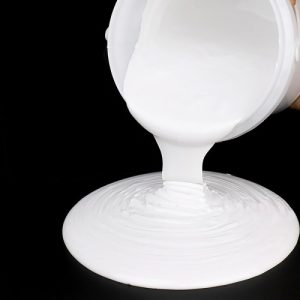
Mobala o Mosoeu oa Nano Airgel Energy Saving Reflective Roof Coating peint
Customized nano airgel thermal insulation 3mm 6mm 10mm kobo

Aerogel thermal insulation blanket low thermal conductivity Aerogel insulation cotton/film
Construction heat insulation silica aerogel paint anti scalding nano paints and coatings low thermal conductivity coating layer
Wide Application Aerogel particles/powders for New Energy Vehicle Battery