


Furnizues profesional i materialeve grafit, grafit për EV, yndyrat, furra dhe çdo industri tjetër.


PARAMETRAT E PRODUKTIT
Përshkrimi
The parameter of lithium-ion battery silicon-carbon (SIO-C) composite anode materials is typically determined using experimental methods, such as x-ray diffraction, scanning tunneling microscopy (STM), and energy-dispersive X-ray spectroscopy (EDX). These techniques can provide information about the chemical composition, crystal structure, and defects in the material.
(Lithium Ion Battery Silicon Carbon SIO-C Composite Anode Materials)
Overview of Lithium Ion Battery Silicon Carbon SIO-C Composite Anode Materials
Silicon anode material is a high-capacity alternative to traditional graphite anodes in lithium-ion batteries. Silikoni, with its significantly higher theoretical specific capacity (about 4200 mAh/g compared to graphite’s 372 mAh/g), promises to dramatically increase the energy density of batteries. This feature has made silicon anodes a focal point of research and development for next-generation batteries, particularly in applications requiring extended battery life or reduced weight, such as electric vehicles (EV-të) and portable electronics.
Features of Lithium Ion Battery Silicon Carbon SIO-C Composite Anode Materials
High Lithium-Ion Capacity: Silicon can store much more lithium than graphite, theoretically resulting in substantial improvements in battery energy density.
Abundance and Sustainability: Silicon is the second most abundant element in the Earth’s crust, making it a readily available and sustainable option for battery production.
Low Reduction Potential: Facilitates efficient lithium insertion during battery charging.
Non-Toxic: Unlike some other high-capacity materials, silicon is non-toxic and environmentally friendly.
Challenges with Volume Expansion: Silicon experiences a volumetric expansion of up to 400% upon lithium absorption, leading to mechanical stress and potential electrode degradation.
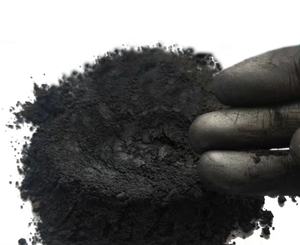
(Lithium Ion Battery Silicon Carbon SIO-C Composite Anode Materials)
Parameters of Lithium Ion Battery Silicon Carbon SIO-C Composite Anode Materials
The parameter of lithium-ion battery silicon-carbon (SIO-C) composite anode materials is typically determined using experimental methods, such as x-ray diffraction, scanning tunneling microscopy (STM), and energy-dispersive X-ray spectroscopy (EDX). These techniques can provide information about the chemical composition, crystal structure, and defects in the material.
The parameters that can be measured include:
* Doping level: The amount of impurities added to the SIO-C composite anode material to control its electrical conductivity.
* Boron content: The concentration of boron atoms in the material, which affects its mechanical properties.
* Energy gap: The difference between the highest occupied state (HOMO) and the lowest unoccupied state (LUMO) of the anode material’s valence band.
* Temperature dependence: The relationship between the electronic properties of the anode material and temperature.
These parameters can be used to optimize the performance of lithium-ion batteries with SIO-C composite anodes. Për shembull, by adjusting the doping level or boron content, it may be possible to increase the battery’s efficiency, reduce its cost, or improve its stability over time. Për më tepër, by understanding the relationship between temperature and anode material properties, it may be possible to develop better cooling systems for battery storage devices.

(Lithium Ion Battery Silicon Carbon SIO-C Composite Anode Materials)
Applications of Lithium Ion Battery Silicon Carbon SIO-C Composite Anode Materials
Automjete elektrike (EV-të): Silicon anodes can significantly extend EV driving ranges by increasing battery energy density.
Elektronikë Konsumatore: Enhance battery life in smartphones, laptopë, and wearables, enabling thinner devices or longer usage times.
Energy Storage Systems (ESS): Improve grid-scale energy storage efficiency and duration for renewable energy sources like solar and wind.
Hapësira ajrore: Enable lighter and more powerful batteries for unmanned aerial vehicles (UAVs) and satellites.
Profili i Kompanisë
Graphite-Corp është një global i besuarkimike furnizuesi i materialit & prodhues me përvojë mbi 12-vjeçare në ofrimin e produkteve të pluhurit dhe grafitit me cilësi super të lartë.
Kompania ka një departament teknik profesional dhe një departament të mbikëqyrjes së cilësisë, një laborator i pajisur mirë, dhe e pajisur me pajisje testimi të avancuara dhe qendrën e shërbimit të klientit pas shitjes.
Nëse jeni duke kërkuar për pluhur grafiti me cilësi të lartë dhe produkte të afërm, ju lutem mos ngurroni të na kontaktoni ose klikoni mbi produktet e nevojshme për të dërguar një kërkesë.
Metodat e pagesës
L/C, T/T, Western Union, Paypal, Karta e Kreditit etj.
Dërgesë
Mund të transportohej nga deti, nga ajri, ose duke zbuluar sa më shpejt që të merret pagesa.
FAQs of Lithium Ion Battery Silicon Carbon SIO-C Composite Anode Materials
P: Why isn’t silicon already widely used in commercial batteries if it has such high capacity?
A: Silicon’s massive volume expansion during charging leads to electrode degradation and reduced cycle life. Researchers are working on overcoming this issue through material engineering and design innovations.
P: How do researchers address the issue of silicon’s volume expansion?
A: Strategies include using nanostructured silicon, creating silicon composites with carbon or other materials, and designing porous structures to accommodate expansion.
P: Is Lithium Ion Battery Silicon Carbon SIO-C Composite Anode Materials more expensive than graphite ones?
A: Pure silicon is cheaper than graphite, but the processing and engineering required to make it viable as an anode material can increase costs. Megjithatë, improvements in manufacturing processes are expected to lower costs over time.
P: Does Lithium Ion Battery Silicon Carbon SIO-C Composite Anode Materials affect battery charging time?
A: Silicon anodes alone do not inherently affect charging speed, but battery design and the choice of other components can influence charging rates.
P: What is the current status of silicon anode technology in commercial batteries?
A: Some manufacturers are already incorporating silicon into graphite anodes in a blended form to enhance capacity modestly, while others are developing pure silicon or silicon composite anodes for high-end applications. Megjithatë, widespread commercialization of pure silicon anodes is still in progress as researchers work to improve cycle life and manufacturability.
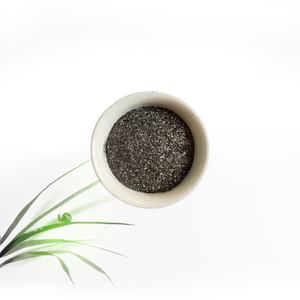
(Lithium Ion Battery Silicon Carbon SIO-C Composite Anode Materials)

(Lithium Ion Battery Silicon Carbon SIO-C Composite Anode Materials)
KËRKONI NJË KUOT
PRODUKTET LIDHUR
Battery Anode Material Silicon Monoxide SiO Powder
High Capacity Battery Anode Silicon Based Graphite Material
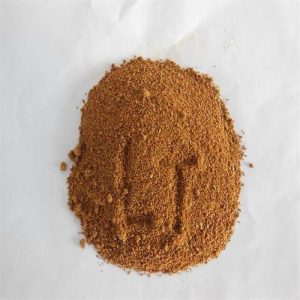
Lithium Ion Battery Anode Silicon Based Materials Silicon Oxide SiOx SIO-C Composite Material
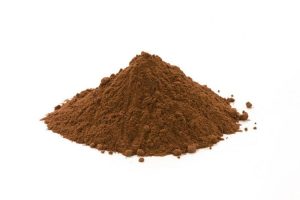
Lithium ion battery high capacity high magnification silicon carbon SI-C composite anode materials
Energy saving activated carbon rotary kiln condenser coal carbonization furnace for silicon battery anode raw materials
