Professional graphite zvinhu mutengesi, graphite yeEV, girisi, choto uye chero mamwe maindasitiri.

What is Silicon-Carbon Anode Material?
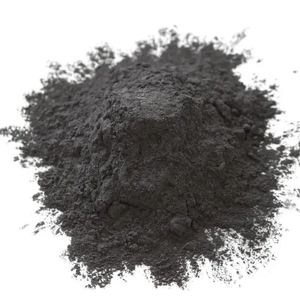
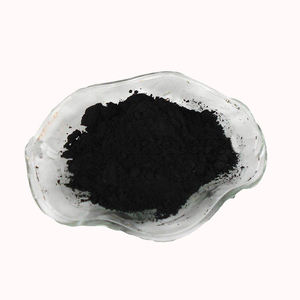
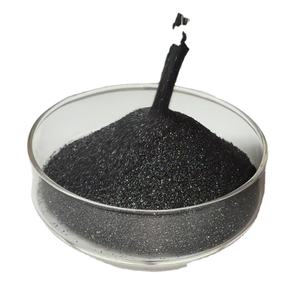
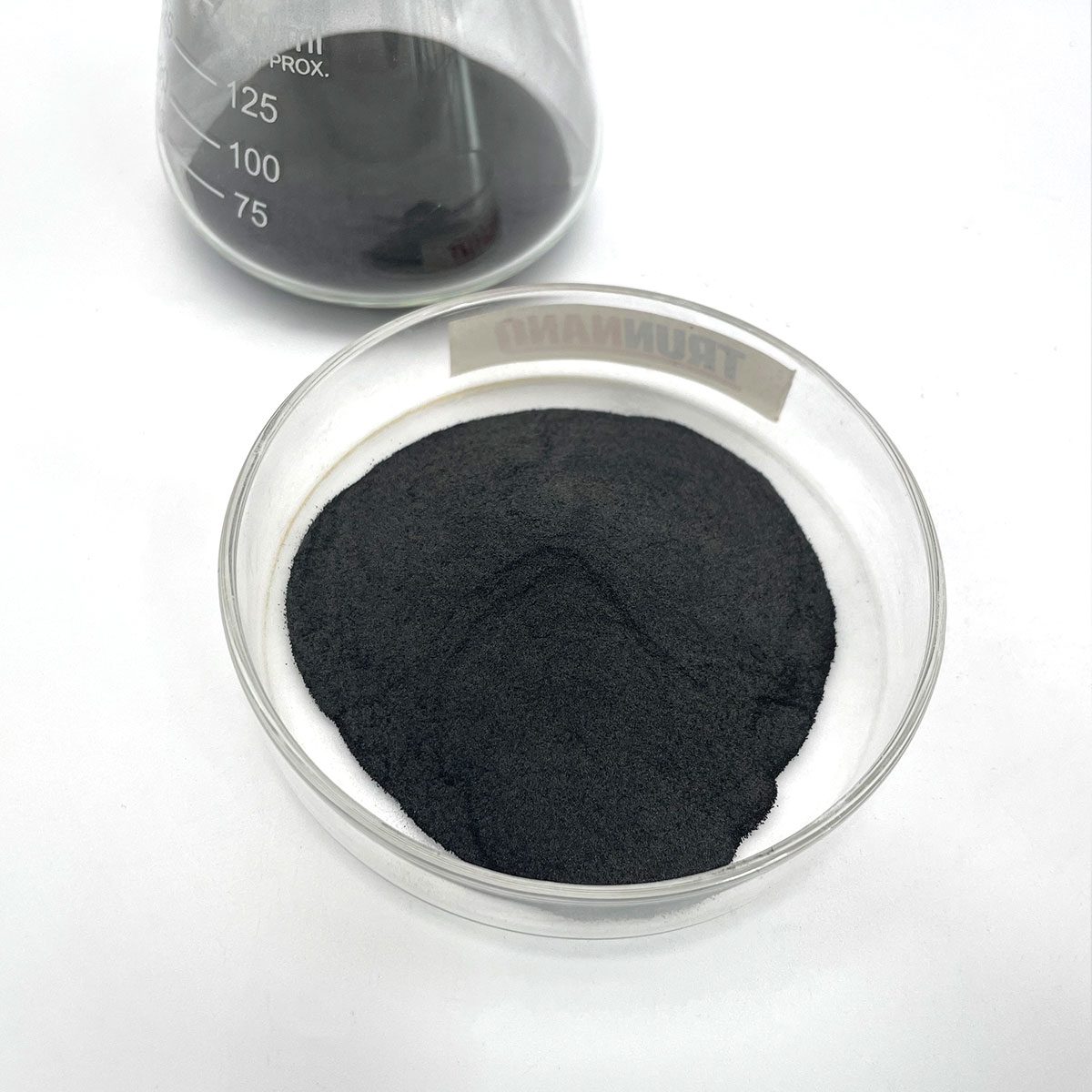
Silicon-carbon anode materials are composites composed of silicon and carbon. Compared with traditional graphite anode materials, they show significant differences in key properties such as theoretical specific capacity. The theoretical specific capacity of silicon can reach up to 4200 mAh/g, izvo zvinopfuura 10 times that of graphite anode materials (nezve 372 mAh/g). This inherent advantage makes silicon-carbon anode materials a core candidate to break through the performance bottleneck of traditional lithium battery anodes
Advantages of Silicon-Carbon Anode Materials
- High Energy Density
Thanks to the ultra-high theoretical specific capacity of silicon, silicon-carbon anode materials can significantly improve the energy density of lithium batteries. For terminal devices, this means longer battery life—whether it is a mobile phone that needs all-day use or an electric vehicle that pursues long driving range, the high energy density of silicon-carbon anodes can effectively meet the core demand for extended endurance
- Excellent Electrical Conductivity
The carbon component in the composite material forms a continuous conductive network, which facilitates rapid electron transmission during battery charging and discharging. This not only reduces energy loss caused by poor conductivity but also improves the charging and discharging efficiency of the battery, enabling faster charging speed and more stable discharge performance.
- Gradually Improved Cycling Stability
A well-known challenge of silicon is its severe volume expansion (kusvika pa 300%) during lithium insertion and extraction. Zvisinei, through rational structural design (such as nanosizing silicon and constructing porous structures) and compounding with carbon materials, the volume change of silicon can be effectively buffered. Parizvino, the cycling stability of silicon-carbon anode materials has been significantly improved, and they can meet the basic service life requirements of most battery applications after multiple cycles.
Preparation Processes of Silicon-Carbon Anode Materials
- Grinding Method (Mechanical Mixing)
This is a relatively mature and low-cost preparation technology. It physically mixes silicon powder with graphite, conductive carbon black, and other materials through mechanical grinding. The process is simple and suitable for preliminary mass production. Zvisinei, this method has limitations: the silicon content in the composite material is difficult to improve (usually less than 20%), and the interface combination between silicon and carbon is not tight, resulting in limited performance improvement of the final product.
- Chemical Vapor Deposition (CVD) Method
The CVD method deposits nano-silicon particles on the surface or inside of a porous carbon framework by means of chemical reactions under high-temperature conditions. This process can achieve uniform dispersion of silicon and tight combination with carbon, which not only improves the silicon content (kusvika pa 30-50%) but also optimizes the structural stability and conductive performance of the material. Zvisinei, the CVD method has high requirements for equipment precision and process control, and there are bottlenecks in large-scale production and cost control
Application Fields of Silicon-Carbon Anode Materials
- Consumer Electronics
In high-end consumer electronic products such as flagship mobile phones, foldable screens, and portable wearable devices, silicon-carbon anode materials have become a key technology to enhance battery performance. By using silicon-carbon anodes, the battery energy density can be increased by 20-30% under the same volume, which not only realizes longer standby and usage time but also helps the device achieve a lighter and thinner design.
- Motokari dzeMagetsi
Extending the driving range and shortening the charging time are core pain points in the development of the electric vehicle industry. Silicon-carbon anode materials can effectively increase the energy density of power batteries—applying them to electric vehicles can increase the driving range by 100-200 kilometers on the basis of the original battery capacity. Panguva imwe, their excellent rate performance also helps to improve the fast-charging capability of electric vehicles, promoting the popularization of new energy vehicles
- Energy Storage Field
In renewable energy storage systems (such as solar energy and wind energy storage), silicon-carbon anode materials play an important role in improving the energy density and cycle life of storage batteries. The high energy density enables the storage system to reduce the occupied space and weight, while the improved cycling stability ensures the long-term reliable operation of the system, providing strong support for the large-scale development of renewable energy.
Market Status and Challenges of Silicon-Carbon Anode Materials
- Market Status
Parizvino, silicon-carbon anode materials have entered the stage of industrialization and large-scale application. Many leading battery manufacturers and material enterprises at home and abroad have laid out production capacity and carried out pilot projects and mass production. Semuyenzaniso, some enterprises have achieved mass supply of silicon-carbon anode materials for consumer electronics and are gradually expanding their application in the power battery field. The global market demand for silicon-carbon anode materials is showing a rapid growth trend, driven by the development of downstream industries such as consumer electronics, motokari dzemagetsi, and energy storage
- Facing Challenges
Despite the broad prospects, silicon-carbon anode materials still face two core challenges: Chekutanga, the high cost—whether it is the CVD method with complex processes or the high-purity raw materials required for the grinding method, the cost is significantly higher than that of traditional graphite anodes, which restricts large-scale promotion. Chepiri, the difficulty in volume expansion control—although the problem has been alleviated through structural design, it is still necessary to further optimize the cycle life under high silicon content to meet the requirements of long-life applications such as electric vehicles and energy storage
Future Outlook of Silicon-Carbon Anode Materials
- Technical Development Trends
The future technical iteration of silicon-carbon anode materials will focus on three directions: Chekutanga, the development of silicon-oxygen anode materials—by introducing oxygen elements, the volume expansion of silicon is further reduced, and the cycling stability is improved; second, the popularization of pre-lithiation technology—compensating for the irreversible capacity loss of silicon during the first cycle, so as to improve the energy density of the battery; third, the innovation of composite structures—such as core-shell structures, yolk-shell structures, etc., to achieve better coordination between silicon and carbon, and simultaneously improve energy density and cycle performance
- Market Growth Forecast
Driven by the strong demand for high-performance lithium batteries in downstream industries, the global silicon-carbon anode material market is expected to maintain a compound annual growth rate of more than 30% in the next 5-8 makore. Pakati pavo, the power battery field will become the largest application scenario, and the market share of silicon-carbon anode materials in the anode material market will gradually increase from the current single-digit percentage to more than 20%. With the breakthrough of key technologies such as cost reduction and performance optimization, silicon-carbon anode materials are expected to become the mainstream anode material for lithium batteries in the next decade, leading the technological revolution in the lithium battery industry.