Cov kws tshaj lij graphite khoom siv, graphite rau EV, grease, cub thiab lwm yam kev lag luam.

KHOOM NTSUAS
Cov lus piav qhia
The property of Phenolic resin coatedPorous Silicon/carbon Microspheres Anode Materials for Lithium-ion Batteries is not readily available information, as it depends on the specific design and manufacturing process used. Txawm li cas los xij,, in general, Phenolic resin coating can improve the cathode performance of lithium-ion batteries by providing a stable surface that reduces surface recombination and enhances the chemical storage capacity. The coating can also improve the electrolyte resistance, which is crucial for preventing rapid charge-discharge during operation. Porous Silicon/carbon Microspheres Anode Materials are commonly used in lithium-ion batteries due to their high energy density, long cycle life, and good thermal stability. They are typically composed of a mixture of SiC or carbon nanotubes embedded in a polymer matrix, and are coated with a phenolic resin for improved performance.
(Phenolic Resin coated Porous Silicon/carbon Microspheres Anode Materials for Lithium-ion Batteries)
Overview of Phenolic Resin coated Porous Silicon/carbon Microspheres Anode Materials for Lithium-ion Batteries
Silicon anode cov khoom siv yog lwm txoj hauv kev muaj peev xwm siab rau cov tsoos graphite anodes hauv lithium-ion roj teeb. Silicon, nrog nws ntau dua theoretical tshwj xeeb muaj peev xwm (hais txog 4200 mAh / g piv rau graphite's 372 mAh / g), nws cog lus tias yuav nce lub zog ceev ntawm cov roj teeb. Cov haujlwm no tau ua rau silicon anodes yog qhov tseem ceeb ntawm kev tshawb fawb thiab kev txhim kho rau cov roj teeb tiam tom ntej, tshwj xeeb tshaj yog nyob rau hauv cov ntawv thov uas xav tau lub roj teeb ntev dua lossis qhov hnyav dua, xws li cov tsheb hluav taws xob (EVs) thiab cov khoom siv hluav taws xob.
Features of Phenolic Resin coated Porous Silicon/carbon Microspheres Anode Materials for Lithium-ion Batteries
High Lithium-Ion Capacity: Silicon can store much more lithium than graphite, theoretically resulting in substantial improvements in battery energy density.
Abundance and Sustainability: Silicon is the second most abundant element in the Earth’s crust, making it a readily available and sustainable option for battery production.
Low Reduction Potential: Facilitates efficient lithium insertion during battery charging.
Non-Toxic: Unlike some other high-capacity materials, silicon is non-toxic and environmentally friendly.
Challenges with Volume Expansion: Silicon experiences a volumetric expansion of up to 400% upon lithium absorption, leading to mechanical stress and potential electrode degradation.
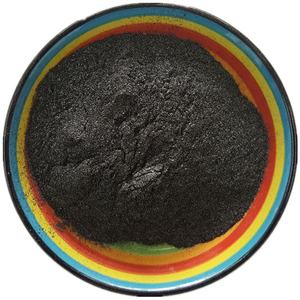
(Phenolic Resin coated Porous Silicon/carbon Microspheres Anode Materials for Lithium-ion Batteries)
Parameters of Phenolic Resin coated Porous Silicon/carbon Microspheres Anode Materials for Lithium-ion Batteries
The property of Phenolic resin coatedPorous Silicon/carbon Microspheres Anode Materials for Lithium-ion Batteries is not readily available information, as it depends on the specific design and manufacturing process used. Txawm li cas los xij,, in general, Phenolic resin coating can improve the cathode performance of lithium-ion batteries by providing a stable surface that reduces surface recombination and enhances the chemical storage capacity. The coating can also improve the electrolyte resistance, which is crucial for preventing rapid charge-discharge during operation. Porous Silicon/carbon Microspheres Anode Materials are commonly used in lithium-ion batteries due to their high energy density, long cycle life, and good thermal stability. They are typically composed of a mixture of SiC or carbon nanotubes embedded in a polymer matrix, and are coated with a phenolic resin for improved performance.
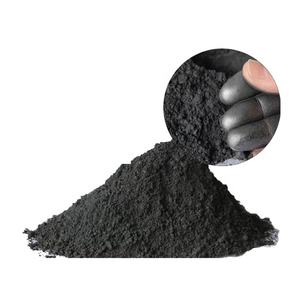
(Phenolic Resin coated Porous Silicon/carbon Microspheres Anode Materials for Lithium-ion Batteries)
Applications of Phenolic Resin coated Porous Silicon/carbon Microspheres Anode Materials for Lithium-ion Batteries
Electric Vehicles (EVs): Silicon anodes can significantly extend EV driving ranges by increasing battery energy density.
Consumer Electronics: Enhance battery life in smartphones, laptops, and wearables, enabling thinner devices or longer usage times.
Energy Storage Systems (ESS): Improve grid-scale energy storage efficiency and duration for renewable energy sources like solar and wind.
Aerospace: Enable lighter and more powerful batteries for unmanned aerial vehicles (UAVs) and satellites.
Lub Tuam Txhab Profile
Graphite-Corp is a trusted globalchemical material supplier & chaw tsim tshuaj paus nrog ntau tshaj 12 xyoo kev paub muab cov khoom lag luam zoo graphite hmoov thiab graphene cov khoom lag luam.
Lub tuam txhab muaj lub tuam tsev tshaj lij thev naus laus zis thiab Lub Tsev Haujlwm Saib Xyuas Kev Zoo, chav kuaj muaj cuab yeej zoo, thiab tau nruab nrog cov khoom siv kuaj siab thiab lub chaw pabcuam cov neeg siv khoom.
Yog tias koj tab tom nrhiav rau cov hmoov graphite zoo thiab cov khoom lag luam cuam tshuam, thov koj xav tiv tauj peb lossis nyem rau ntawm cov khoom koj xav tau xa cov lus nug.
Txoj Kev Them Nyiaj
L / C, T / T, Western Union, PayPal, Credit Card, thiab lwm yam.
Kev xa khoom
Nws tuaj yeem xa los ntawm hiav txwv, los ntawm huab cua, los yog npaj ASAP thaum tau txais kev them nyiaj.
FAQs of Phenolic Resin coated Porous Silicon/carbon Microspheres Anode Materials for Lithium-ion Batteries
Q: Why isn’t silicon already widely used in commercial batteries if it has such high capacity?
A: Silicon’s massive volume expansion during charging leads to electrode degradation and reduced cycle life. Researchers are working on overcoming this issue through material engineering and design innovations.
Q: How do researchers address the issue of silicon’s volume expansion?
A: Strategies include using nanostructured silicon, creating silicon composites with carbon or other materials, and designing porous structures to accommodate expansion.
Q: Is Phenolic Resin coated Porous Silicon/carbon Microspheres Anode Materials for Lithium-ion Batteries more expensive than graphite ones?
A: Pure silicon is cheaper than graphite, but the processing and engineering required to make it viable as an anode material can increase costs. Txawm li cas los xij,, improvements in manufacturing processes are expected to lower costs over time.
Q: Does Phenolic Resin coated Porous Silicon/carbon Microspheres Anode Materials for Lithium-ion Batteries affect battery charging time?
A: Silicon anodes alone do not inherently affect charging speed, but battery design and the choice of other components can influence charging rates.
Q: What is the current status of silicon anode technology in commercial batteries?
A: Some manufacturers are already incorporating silicon into graphite anodes in a blended form to enhance capacity modestly, while others are developing pure silicon or silicon composite anodes for high-end applications. Txawm li cas los xij,, widespread commercialization of pure silicon anodes is still in progress as researchers work to improve cycle life and manufacturability.
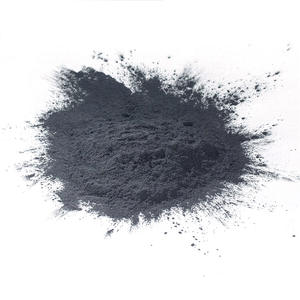
(Phenolic Resin coated Porous Silicon/carbon Microspheres Anode Materials for Lithium-ion Batteries)
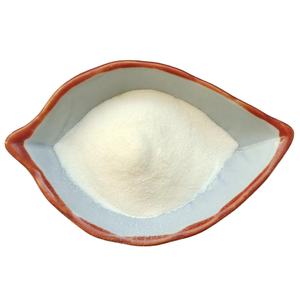
(Phenolic Resin coated Porous Silicon/carbon Microspheres Anode Materials for Lithium-ion Batteries)
THOV IB NQE LUS
RELATED PRODUCTS
High-performance silicon-graphene composite anode materials for next-generation Lithium Battery 200AH batteries

Lithium Battery Anode Material Carbon-coated Silicon Powder
Lithium Ion Battery Anodes Silicon-Carbon Composite Material
PAA binder for silicon anode materials for lithium battery research
480W 485W 490W 495W 500W 182mm Multi Busbar Technology Mono Silicon Material Solar Panel Inverter 220V