Pembekal bahan grafit profesional, grafit untuk EV, gris, relau dan mana-mana industri lain.


(What is lithium battery?)
Lithium battery is a kind of battery that uses lithium metal or lithium alloy as positive/negative electrode material and uses non-aqueous electrolyte solution. In 1912, the lithium metal battery was first proposed and studied by Gilbert N. Lewis. In the 1970s, M. S. Whittingham proposed and began to study lithium-ion batteries. Due to the very active chemical properties of lithium metal, the processing, storage and use of lithium metal have very high environmental requirements. With the development of science and technology, lithium batteries have become the mainstream.
What are the types of lithium batteries?
Lithium batteries can be roughly divided into two categories: lithium metal batteries and lithium ion batteries. Lithium-ion batteries do not contain lithium in the metallic state and are rechargeable. The fifth generation of rechargeable batteries, lithium metal batteries, dilahirkan di 1996, dan keselamatannya, kapasiti tertentu, self-discharge rate and performance-price ratio are better than lithium-ion batteries. Oleh kerana keperluan teknikalnya sendiri yang tinggi, only companies in a few countries are producing such lithium metal batteries.
What is the working principle of lithium battery?
Lithium Metal Batteries:
Lithium metal batteries generally use manganese dioxide as the positive electrode material, logam litium atau logam aloinya sebagai bahan elektrod negatif, dan gunakan larutan elektrolit bukan akueus.
Reaksi pelepasan: Li+MnO2=LiMnO2
Bateri Litium Ion:
Lithium-ion batteries generally use lithium alloy metal oxides as positive electrode materials, graphite as negative electrode materials, and use non-aqueous electrolytes.
The reaction at the charging positive electrode is
LiCoO2=Li(1-x)CoO2+xLi++xe-(electron)
The reaction that takes place on the charging negative electrode is
6C+xLi++xe- = LixC6
Rechargeable battery total reaction: LiCoO2+6C = Li(1-x)CoO2+LixC6
What are the cathode materials of lithium batteries?
Positive electrode material: There are many optional positive electrode materials. At present, the common positive electrode active materials in the market are: Lithium cobalt oxide, lithium manganate, lithium nickelate, litium besi fosfat, nickel-cobalt-aluminum ternary, nickel-cobalt-manganese ternary
Positive electrode reaction: Lithium ion intercalation during discharge, and lithium ion deintercalation during charging. When charging: LiFePO4 → Li1-xFePO4 + xLi+ + xe- When discharging: Li1-xFePO4 + xLi+ + xe- → LiFePO4.
What are the negative electrode materials of lithium batteries?
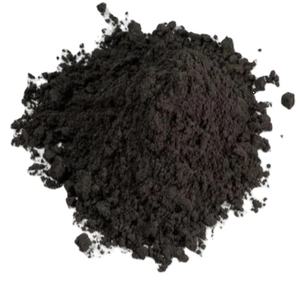
Negative material: graphite is mostly used. In addition, lithium metal, lithium alloy, silicon carbon anode, oxide anode material, etc. can also be used for the anode.
Negative reaction: lithium ions are deintercalated during discharge, and lithium ions are intercalated during charging.
When charging: xLi+ + xe- + 6C → LixC6
On discharge: LixC6→ xLi+ + xe- + 6C
High-quality lithium battery anode material manufacturer
Bulan Halia & Star New Energy Technology Co., LTD, ditubuhkan pada Oktober 17, 2008, adalah perusahaan teknologi tinggi yang komited untuk membangun, menghasilkan, pemprosesan, menjual, dan perkhidmatan teknikal bahan anod bateri lithium-ion. After more than ten years of development, syarikat telah berkembang secara beransur-ansur menjadi struktur produk yang pelbagai dengan grafit semula jadi, grafit tiruan, grafit komposit, intermediate phase and other harmful materials (bahan silikon-karbon, dll.). Produk ini digunakan secara meluas dalam kuasa digital litium-ion mewah dan bateri simpanan tenaga.
If you are looking for graphite or lithium battery anode material, klik pada produk yang diperlukan dan hantarkan pertanyaan kepada kami:sales@graphite-corp.com
(What is lithium battery?)