Professzionális grafitanyag beszállító, grafit EV-hez, zsír, kemencében és bármely más iparágban.


(Mi az a lítium akkumulátor?)
Lithium battery is a kind of battery that uses lithium metal or lithium alloy as positive/negative electrode material and uses non-aqueous electrolyte solution. In 1912, the lithium metal battery was first proposed and studied by Gilbert N. Lewis. In the 1970s, M. S. Whittingham proposed and began to study lithium-ion batteries. Due to the very active chemical properties of lithium metal, the processing, storage and use of lithium metal have very high environmental requirements. With the development of science and technology, lithium batteries have become the mainstream.
What are the types of lithium batteries?
Lithium batteries can be roughly divided into two categories: lithium metal batteries and lithium ion batteries. Lithium-ion batteries do not contain lithium in the metallic state and are rechargeable. The fifth generation of rechargeable batteries, lithium metal batteries, was born in 1996, and its safety, fajlagos kapacitás, self-discharge rate and performance-price ratio are better than lithium-ion batteries. Due to its own high technical requirements, only companies in a few countries are producing such lithium metal batteries.
What is the working principle of lithium battery?
Lithium Metal Batteries:
Lithium metal batteries generally use manganese dioxide as the positive electrode material, metal lithium or its alloy metal as the negative electrode material, and use a non-aqueous electrolyte solution.
Discharge reaction: Li+MnO2=LiMnO2
Lithium Ion Battery:
Lithium-ion batteries generally use lithium alloy metal oxides as positive electrode materials, graphite as negative electrode materials, and use non-aqueous electrolytes.
The reaction at the charging positive electrode is
LiCoO2=Li(1-x)CoO2+xLi++xe-(electron)
The reaction that takes place on the charging negative electrode is
6C+xLi++xe- = LixC6
Rechargeable battery total reaction: LiCoO2+6C = Li(1-x)CoO2+LixC6
What are the cathode materials of lithium batteries?
Positive electrode material: There are many optional positive electrode materials. Jelenleg, the common positive electrode active materials in the market are: Lithium cobalt oxide, lithium manganate, lithium nickelate, lítium-vas-foszfát, nickel-cobalt-aluminum ternary, nickel-cobalt-manganese ternary
Positive electrode reaction: Lithium ion intercalation during discharge, and lithium ion deintercalation during charging. When charging: LiFePO4 → Li1-xFePO4 + xLi+ + xe- When discharging: Li1-xFePO4 + xLi+ + xe- → LiFePO4.
What are the negative electrode materials of lithium batteries?
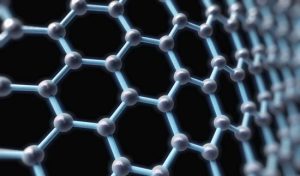
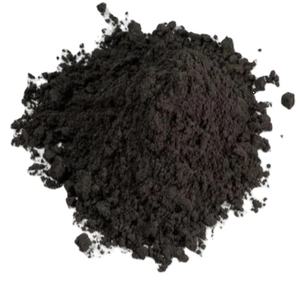
Negative material: graphite is mostly used. Ezen kívül, lithium metal, lithium alloy, silicon carbon anode, oxide anode material, stb. can also be used for the anode.
Negative reaction: lithium ions are deintercalated during discharge, and lithium ions are intercalated during charging.
When charging: xLi+ + xe- + 6C → LixC6
On discharge: LixC6→ xLi+ + xe- + 6C
High-quality lithium battery anode material manufacturer
Ginger Moon & Star New Energy Technology Co., KFT, októberében alapították 17, 2008, egy high-tech vállalkozás, amely elkötelezett a fejlesztés iránt, termelő, feldolgozás, eladási, és a lítium-ion akkumulátor anódanyagok műszaki szolgáltatásai. Több mint tíz év fejlesztés után, a cég fokozatosan egy változatos termékstruktúrává fejlődött természetes grafittal, mesterséges grafit, kompozit grafit, köztes fázis és egyéb káros anyagok (szilícium-karbon anyagok, stb.). A termékeket széles körben használják csúcskategóriás lítium-ion digitális energia- és energiatároló akkumulátorokban.
Ha grafit vagy lítium akkumulátor anód anyagot keres, kattintson a kívánt termékekre, és küldje el nekünk kérdését:sales@graphite-corp.com
(Mi az a lítium akkumulátor?)