전문 흑연 재료 공급 업체, EV용 흑연, 유지, 용광로 및 기타 산업.


제품 매개변수
설명
Silicon carbide (SiC) is a promising anode material for lithium-ion batteries due to its high energy density, low rate capability, high cycling stability, and compatibility with various chemistry environments.
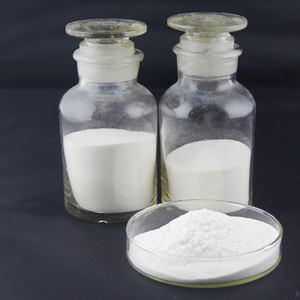
(Silicon carbon SI-C anode electrolyte for lithium ion battery production and lab research)
Overview of Silicon carbon SI-C anode electrolyte for lithium ion battery production and lab research
Silicon anode material is a high-capacity alternative to traditional graphite anodes in lithium-ion batteries. 규소, with its significantly higher theoretical specific capacity (about 4200 mAh/g compared to graphite’s 372 mAh/g), promises to dramatically increase the energy density of batteries. This feature has made silicon anodes a focal point of research and development for next-generation batteries, particularly in applications requiring extended battery life or reduced weight, such as electric vehicles (EV) and portable electronics.
Features of Silicon carbon SI-C anode electrolyte for lithium ion battery production and lab research
High Lithium-Ion Capacity: Silicon can store much more lithium than graphite, theoretically resulting in substantial improvements in battery energy density.
Abundance and Sustainability: Silicon is the second most abundant element in the Earth’s crust, making it a readily available and sustainable option for battery production.
Low Reduction Potential: Facilitates efficient lithium insertion during battery charging.
Non-Toxic: Unlike some other high-capacity materials, silicon is non-toxic and environmentally friendly.
Challenges with Volume Expansion: Silicon experiences a volumetric expansion of up to 400% upon lithium absorption, leading to mechanical stress and potential electrode degradation.
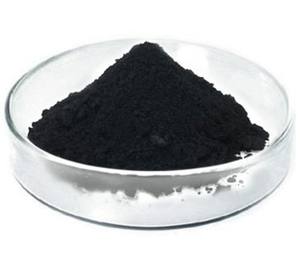
(Silicon carbon SI-C anode electrolyte for lithium ion battery production and lab research)
Parameters of Silicon carbon SI-C anode electrolyte for lithium ion battery production and lab research
Silicon carbide (SiC) is a promising anode material for lithium-ion batteries due to its high energy density, low rate capability, high cycling stability, and compatibility with various chemistry environments.
Here are some of the key parameters that can affect the performance of anode materials in lithium-ion batteries:
1. Surface area: The surface area of an anode material affects its capacity to participate in chemical reactions and reduce the number of defects that can occur during charging and discharging. Generally, higher surface areas lead to better performance.
2. Composition: The composition of an anode material determines its electronic properties, such as the concentration of metal ions and their coordination environment. Different compositions have different electrochemical behaviors, which can impact battery performance.
3. Temperature: The temperature at which an anode material operates can significantly affect its performance. For example, increasing temperatures can lead to increased reaction rates, but can also cause thermal degradation or degradation of the material.
4. Pressure: The pressure at which an anode material operates can affect its electrical conductivity and porosity. Higher pressures can increase the availability of surface sites for charge and discharge reactions, while lower pressures may result in poor electrode performance.
5.: The concentration of dissolved salt in an anode material affects its electrical conductivity, mechanical strength, and corrosion resistance.
It’s important to note that these parameters can vary depending on the specific type of anode material being used in a particular application, and it’s important to carefully study the properties of each material before choosing the most appropriate one for a given application.
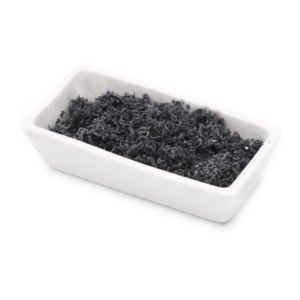
(Silicon carbon SI-C anode electrolyte for lithium ion battery production and lab research)
Applications of Silicon carbon SI-C anode electrolyte for lithium ion battery production and lab research
전기자동차 (EV): Silicon anodes can significantly extend EV driving ranges by increasing battery energy density.
가전제품: Enhance battery life in smartphones, 노트북, and wearables, enabling thinner devices or longer usage times.
Energy Storage Systems (ESS): Improve grid-scale energy storage efficiency and duration for renewable energy sources like solar and wind.
항공우주: Enable lighter and more powerful batteries for unmanned aerial vehicles (UAVs) and satellites.
회사 프로필
Graphite-Corp는 신뢰받는 글로벌 기업입니다.화학적인 자재 공급업체 & 12년 이상의 초고품질 흑연분말 및 그래핀 제품 공급 경험을 보유한 제조업체.
회사에는 전문 기술 부서와 품질 감독 부서가 있습니다., 시설이 잘 갖춰진 실험실, 첨단 테스트 장비와 애프터 서비스 센터를 갖추고 있습니다..
고품질의 흑연분말 및 관련제품을 찾고 계시다면, 언제든지 저희에게 연락하시거나 필요한 제품을 클릭하여 문의사항을 보내주세요..
결제 방법
신용장, 티/티, 웨스턴 유니온, 페이팔, 신용카드 등.
선적
그것은 바다로 발송될 수 있었습니다, 비행기로, 또는 상환 영수증이 나오는 대로 최대한 빨리 공개하십시오..
FAQs of Silicon carbon SI-C anode electrolyte for lithium ion battery production and lab research
큐: Why isn’t silicon already widely used in commercial batteries if it has such high capacity?
에이: Silicon’s massive volume expansion during charging leads to electrode degradation and reduced cycle life. Researchers are working on overcoming this issue through material engineering and design innovations.
큐: How do researchers address the issue of silicon’s volume expansion?
에이: Strategies include using nanostructured silicon, creating silicon composites with carbon or other materials, and designing porous structures to accommodate expansion.
큐: Is Silicon carbon SI-C anode electrolyte for lithium ion battery production and lab research more expensive than graphite ones?
에이: Pure silicon is cheaper than graphite, but the processing and engineering required to make it viable as an anode material can increase costs. 하지만, improvements in manufacturing processes are expected to lower costs over time.
큐: Does Silicon carbon SI-C anode electrolyte for lithium ion battery production and lab research affect battery charging time?
에이: Silicon anodes alone do not inherently affect charging speed, but battery design and the choice of other components can influence charging rates.
큐: What is the current status of silicon anode technology in commercial batteries?
에이: Some manufacturers are already incorporating silicon into graphite anodes in a blended form to enhance capacity modestly, while others are developing pure silicon or silicon composite anodes for high-end applications. 하지만, widespread commercialization of pure silicon anodes is still in progress as researchers work to improve cycle life and manufacturability.
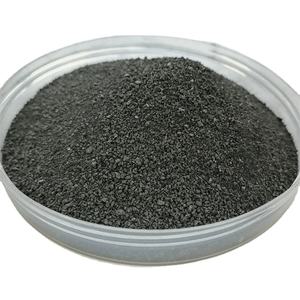
(Silicon carbon SI-C anode electrolyte for lithium ion battery production and lab research)
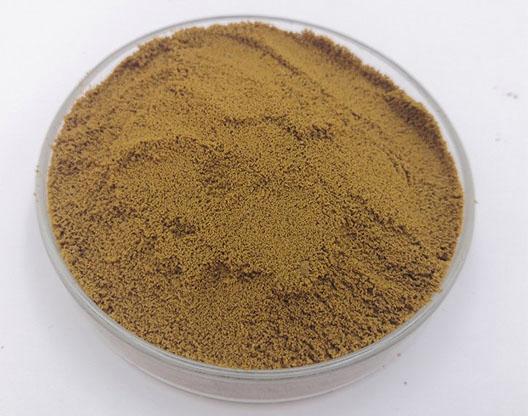
(Silicon carbon SI-C anode electrolyte for lithium ion battery production and lab research)
견적을 요청하세요
관련 제품
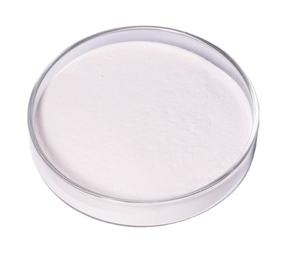
Energy saving activated carbon rotary kiln condenser coal carbonization furnace for silicon battery anode raw materials
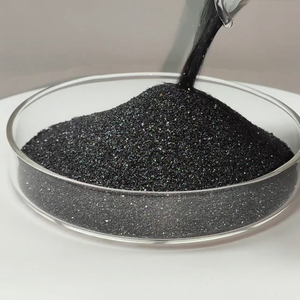
Silicon Anode Materials SlO Materials With Different Capacity for Battery Production
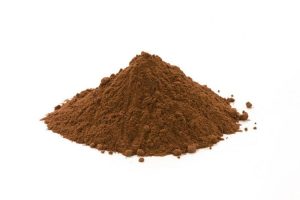
Lithium ion battery high capacity high magnification silicon carbon SI-C composite anode materials
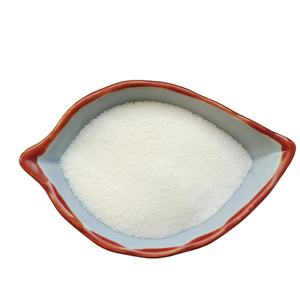
New Product Silicon Anode Si Based Composite Material
Off Grid Solar Power Energy Panel 10000 Watt Solar System 10 KW Silicon Ordinary Customized Steel Acid Stainless Battery Time