


Mea hoʻolako waiwai graphite ʻoihana, graphite no EV, momona, kapuahi a me na oihana e ae.

NA PALAPALA HUA
wehewehe
,Overview of Silica Aerogel thermal insulation blanket low thermal conductivity
Silica Aerogel thermal insulation blanket low thermal conductivity can meet the most demanding thermal insulation challenges across various industries. Our portfolio includes aerogel powder, aerogel thermal insulation coating, and aerogel insulation felts in various specifications, each engineered for superior performance.
Characteristics of Silica Aerogel thermal insulation blanket low thermal conductivity
Aerogel Powder is the fundamental form of this revolutionary material, characterized by its extremely low density and high surface area. It serves as a critical additive for enhancing thermal properties in composites, ilikai, nā uhi, and functional materials, bringing nano-scale insulation power to your formulations.
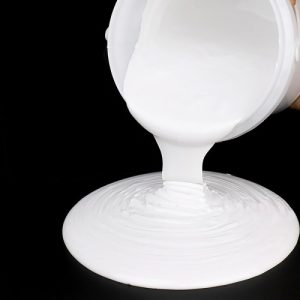
The Aerogel Thermal Insulation Coating integrates our proprietary powder into a robust, easy-to-apply solution. This coating provides exceptional thermal resistance, weatherproofing, and corrosion protection for pipes, tanks, and industrial structures. It is ideal for complex geometries where traditional insulation is impractical, sealing heat loss effectively.
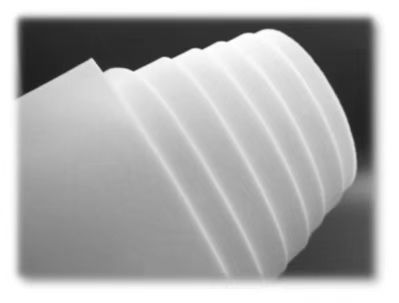
Our Aerogel Insulation Felts are flexible, durable blankets available in various thicknesses, densities, and dimensions to suit diverse applications. Combining the phenomenal insulating power of aerogel with a practical, roll-out format, they are perfect for high-temperature industrial piping, HVAC systems, building envelopes, a oi aku. They offer maximum thermal efficiency with minimal space requirements.

Specification of Silica Aerogel thermal insulation blanket low thermal conductivity
Ultra-Lightweight Thermal Insulation with Exceptional Performance
Engineered for Optimum Effectiveness and Marginal Heat Transfer
Silica aerogel thermal insulation coverings use a few of the most affordable thermal conductivity available in commercial insulation materials. Their unique nanostructure traps air in small pores, which substantially slows down warmth circulation. This makes them suitable for applications where area is limited however high performance is called for.
These coverings are made by combining silica aerogel bits with enhancing fibers. The outcome is an adaptable, easy-to-handle product that maintains its shape under normal problems. In spite of moring than 90% air by quantity, the blanket continues to be solid sufficient for industrial usage.
Extremely reduced thermal conductivity — as reduced as 0.013 W/m · K at space temperature– indicates less product is needed to achieve the exact same insulation worth as standard items. You save area, kaumaha, and installment time without giving up defense.
The product withstands moisture well and does not take in water quickly. It also stays stable across a large temperature variety, mai -200 ° C to over 650 ° C, relying on the particular grade. This reliability makes it suitable for cryogenic systems, industrial piping, nā ʻāpana aerospace, and structure envelopes.
Due to the fact that it’s lightweight and slim, the silica aerogel blanket suits tight rooms where other insulations won’t function. It can be reduced with basic tools and twisted around bent surfaces without losing efficiency. No special tools or training is needed for fundamental installation.
Unlike some older insulation kinds, this product contains no hazardous blowing representatives and supports greener building methods. It also helps in reducing power loss, decreasing operating costs in time.
Producers produce these blankets in rolls or pre-cut panels, with different densities and facing options to match different project requirements. Whether you’re protecting a pipe, a storage tank, or a high-performance wall setting up, silica aerogel delivers constant, long-lasting results with very little upkeep.

Applications of Silica Aerogel thermal insulation blanket low thermal conductivity
Why Silica Aerogel Insulation Blankets Stick Out
Silica aerogel insulation blankets provide a few of the best thermal defense available today. Their secret hinge on incredibly reduced thermal conductivity– among the most affordable of any type of strong product. This suggests warmth relocations with them really slowly, keeping hot things hot and cold things cool with minimal power loss.
Perfect for Tough Settings
These blankets work well where area is limited or weight matters a great deal. Because they are so light and thin yet very effective, engineers choose them for aerospace, oil and gas pipes, and commercial tools. Also in severe temperature levels– mai -200 ° C to over 600 ° C– they stay stable and maintain carrying out.
Conserves Power and Space
Conventional insulation frequently needs thick layers to block heat. Silica aerogel blankets accomplish the same– or far better– results with much less density. That saves area in congested systems like ships, refineries, or building walls. Less material also implies lower delivery and installation expenses. With time, the energy conserved repays the first investment.
Built to Last
Unlike some insulators that take in moisture or break down, silica aerogel blankets resist water, stay dry, and hold their form. They do not settle or compress with time, so their efficiency stays solid year after year. This reliability cuts maintenance requirements and prevents unanticipated downtime.
Trick Features:
– Thermal conductivity as reduced as 0.013 W/m · K.
– Adaptable and easy to reduce or wrap around pipes and containers.
– Non-combustible and secure for high-heat use.
– Hydrophobic– wards off water without extra coatings.
Whether you’re making a new system or updating an old one, silica aerogel insulation coverings supply unparalleled efficiency in a light-weight, sturdy type.
ʻO ka moʻolelo o ka hui
He honua hilinaʻi ʻo Graphite-Corpkemika mea hoʻolako mea & mea hana me ka ʻoi aku o 12 mau makahiki-ʻike i ka hāʻawi ʻana i ka pauka graphite kiʻekiʻe kiʻekiʻe a me nā huahana graphene.
He keʻena ʻenehana loea ko ka hui a me ka Quality Supervision Department, he hale hana i hoolako pono ia, a hoʻolako ʻia me nā lako hoʻāʻo kiʻekiʻe a me ke kikowaena lawelawe mea kūʻai aku ma hope o ke kūʻai aku.
Inā ʻoe e ʻimi nei i ka pauka graphite kiʻekiʻe a me nā huahana pili, eʻoluʻolu e leka uila iā mākou a iʻole e kaomi i nā huahana i makemakeʻia e hoʻouna i kahi nīnau.
Uku Uku
L/C, T/T, Hui Komohana, Paypal, Kāleka ʻaiʻē etc.
Hoʻouna
Hiki ke hoʻouna ʻia ma ke kai, ma ka lewa, a i ʻole ma ka hōʻike ʻana iā ASAP i ka wā e loaʻa ai ka uku.

5 FAQs of Silica Aerogel thermal insulation blanket low thermal conductivity
What is Silica Aerogel Thermal Insulation Blanket?
ʻO ka Silica Aerogel thermal insulation blanket is a lightweight material made from silica aerogel and reinforcing fibers. It has very low density and extremely low thermal conductivity. This makes it one of the best insulators available today.
Why does it have such low thermal conductivity?
Silica aerogel is mostly air—up to 95% or more. Heat moves slowly through air, especially when trapped in tiny pores. The structure of silica aerogel stops heat from traveling easily by conduction, convection, a me ka radiation. That’s why its thermal conductivity stays very low, even at high temperatures.
Where can this insulation blanket be used?
You can use it in many places. Common uses include oil and gas pipelines, industrial equipment, aerospace systems, building walls, and refrigerated transport. It works well where space is tight but strong insulation is needed.
Is it safe to handle?
ʻAe. The blanket is flexible and easy to cut with standard tools. It does not contain harmful blowing agents or ozone-depleting chemicals. Aia nō, you should wear gloves and eye protection during installation to avoid skin or eye irritation from fibers.
How long does it last?
This material is very stable. It resists aging, moisture, and high temperatures up to 650°C (1200°F), depending on the type. With proper installation and protection from physical damage, it can perform effectively for many years without losing its insulating power.
NOI I KA PALAPALA
NA HUAKAI PILI

Papermaking chemical sio2 silica fume sand white powder silica aerogel hydrophilic type fumed silica
Hydrophobic/hydrophilic Silicon Aerogel SiO2 Thermal Insulation Powder/Particle
Silica Aerogel Thermal Insulation Blanket for
Thermal Insulation Aerogel Pipe Insulation Cover
