


Solaraiche stuth grafait proifeasanta, Graphite airson EV, greas, fùirneis agus gnìomhachasan sam bith eile.

PARAMETAIREAN PRODUCT
Tuairisgeul
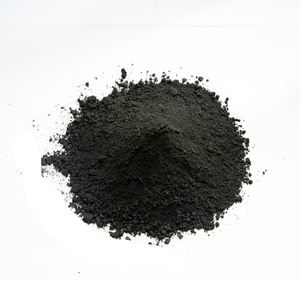
The Carbon Coated Silicon Si-C Powder is typically used as raw material in lithium-ion battery anodes. The parameters that affect the performance of this powder include:
(Carbon Coated Silicon Si-C Powder for Lithium Ion Battery Anode Raw Materials)
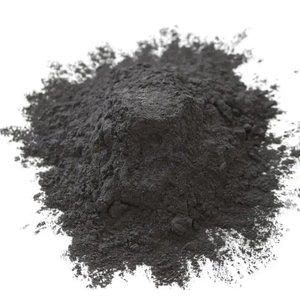
Overview of Carbon Coated Silicon Si-C Powder for Lithium Ion Battery Anode Raw Materials
Silicon anode material is a high-capacity alternative to traditional graphite anodes in lithium-ion batteries. sileacain, with its significantly higher theoretical specific capacity (about 4200 mAh/g compared to graphite’s 372 mAh/g), promises to dramatically increase the energy density of batteries. This feature has made silicon anodes a focal point of research and development for next-generation batteries, particularly in applications requiring extended battery life or reduced weight, such as electric vehicles (EVs) and portable electronics.
Features of Carbon Coated Silicon Si-C Powder for Lithium Ion Battery Anode Raw Materials
High Lithium-Ion Capacity: Silicon can store much more lithium than graphite, theoretically resulting in substantial improvements in battery energy density.
Abundance and Sustainability: Silicon is the second most abundant element in the Earth’s crust, making it a readily available and sustainable option for battery production.
Low Reduction Potential: Facilitates efficient lithium insertion during battery charging.
Non-Toxic: Unlike some other high-capacity materials, silicon is non-toxic and environmentally friendly.
Challenges with Volume Expansion: Silicon experiences a volumetric expansion of up to 400% upon lithium absorption, leading to mechanical stress and potential electrode degradation.
(Carbon Coated Silicon Si-C Powder for Lithium Ion Battery Anode Raw Materials)
Parameters of Carbon Coated Silicon Si-C Powder for Lithium Ion Battery Anode Raw Materials
The Carbon Coated Silicon Si-C Powder is typically used as raw material in lithium-ion battery anodes. The parameters that affect the performance of this powder include:
1. Particle size: The larger the particle size, the faster it can reach the cathode surface and the higher the efficiency of charge transfer.
2. Carbon content: A higher carbon content results in a stronger and more stable anode structure.
3. Porosity: The porosity of the powder affects the surface area available for charging and discharge.
4. Surface chemistry: The surface chemistry of the powder affects its reactivity with ions and negatively charged species.
5. Mechanical properties: The mechanical properties of the powder, such as hardness and modulus, affect its durability and wear resistance.
To optimize the performance of the Carbon Coated Silicon Si-C Powder for lithium-ion batteries, researchers may vary these parameters or use different processing methods to produce the powder. A bharrachd, they may experiment with other materials or designs to improve the overall performance of the anode.
(Carbon Coated Silicon Si-C Powder for Lithium Ion Battery Anode Raw Materials)
Applications of Carbon Coated Silicon Si-C Powder for Lithium Ion Battery Anode Raw Materials
Carbadan Dealain (EVs): Silicon anodes can significantly extend EV driving ranges by increasing battery energy density.
Leictreonaic luchd-cleachdaidh: Enhance battery life in smartphones, coimpiutairean-glùine, and wearables, enabling thinner devices or longer usage times.
Energy Storage Systems (ESS): Improve grid-scale energy storage efficiency and duration for renewable energy sources like solar and wind.
Aerospace: Enable lighter and more powerful batteries for unmanned aerial vehicles (UAVs) and satellites.
Pròifil companaidh
Tha Graphite-Corp na cruinne earbsachceimigeach solaraiche stuthan & neach-dèanamh le còrr air 12-bliadhna de eòlas ann a bhith a’ toirt seachad pùdar grafait àrd-inbhe agus toraidhean graphene.
Tha roinn theicnigeach proifeasanta agus Roinn Sgrùdaidh Càileachd aig a’ chompanaidh, obair-lann air a dheagh uidheamachadh, agus uidheamaichte le uidheamachd deuchainn adhartach agus ionad seirbheis teachdaiche às deidh reic.
Ma tha thu a’ coimhead airson pùdar grafait àrd-inbhe agus toraidhean càirdeach, na bi leisg fios a chuir thugainn no cliog air na toraidhean a tha a dhìth gus rannsachadh a chuir.
Dòighean pàighidh
L/C, T/T, Aonadh an Iar, Paypal, Cairt-creideis msaa.
Luingearachd
Dh’ fhaodadh e a bhith air a chuir air muir, le adhair, no le bhith a’ nochdadh cho luath ‘s a gheibhear ath-phàigheadh.
FAQs of Carbon Coated Silicon Si-C Powder for Lithium Ion Battery Anode Raw Materials
C: Why isn’t silicon already widely used in commercial batteries if it has such high capacity?
A: Silicon’s massive volume expansion during charging leads to electrode degradation and reduced cycle life. Researchers are working on overcoming this issue through material engineering and design innovations.
C: How do researchers address the issue of silicon’s volume expansion?
A: Strategies include using nanostructured silicon, creating silicon composites with carbon or other materials, and designing porous structures to accommodate expansion.
C: Is Carbon Coated Silicon Si-C Powder for Lithium Ion Battery Anode Raw Materials more expensive than graphite ones?
A: Pure silicon is cheaper than graphite, but the processing and engineering required to make it viable as an anode material can increase costs. Ge-tà, improvements in manufacturing processes are expected to lower costs over time.
C: Does Carbon Coated Silicon Si-C Powder for Lithium Ion Battery Anode Raw Materials affect battery charging time?
A: Silicon anodes alone do not inherently affect charging speed, but battery design and the choice of other components can influence charging rates.
C: What is the current status of silicon anode technology in commercial batteries?
A: Some manufacturers are already incorporating silicon into graphite anodes in a blended form to enhance capacity modestly, while others are developing pure silicon or silicon composite anodes for high-end applications. Ge-tà, widespread commercialization of pure silicon anodes is still in progress as researchers work to improve cycle life and manufacturability.
(Carbon Coated Silicon Si-C Powder for Lithium Ion Battery Anode Raw Materials)
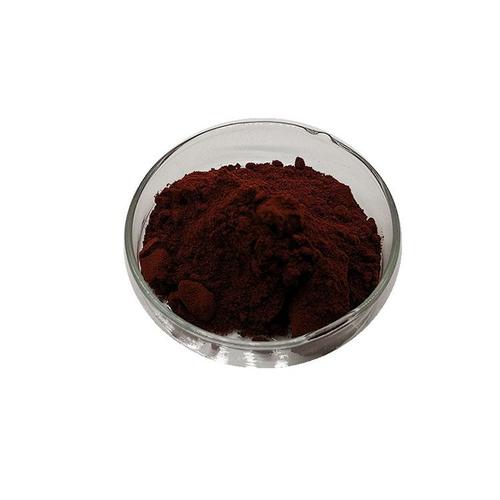
(Carbon Coated Silicon Si-C Powder for Lithium Ion Battery Anode Raw Materials)
IARRANN SGEULACHDAN
NAIGHEACHDAN FIRINNEACH

Lang Le Direct Supply 450W Solar Panel 460W Monocrystalline Silicon Solar Module Battery Solar Power Supply System
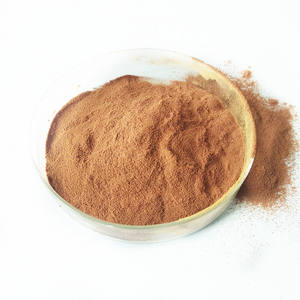
SIC Lithium Battery Anode Material Carbon-coated Silicon Powder SBaY-420-L
Battery Anode Materials Silicon Anode Materials SIO Materials With Different Capacity
SiO SiC Silicon Based Composite Materials Anode Materials Li-Ion Battery Raw Materials
Silicon Carbon New Product For Lithium Ion Battery Anode Powder With High Conductivity
