


Solaraiche stuth grafait proifeasanta, Graphite airson EV, greas, fùirneis agus gnìomhachasan sam bith eile.

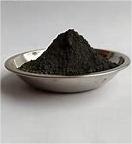
(Mar a chleachdas tu electrolyte gu sàbhailte)
Tha electrolyte na mheadhan air a chleachdadh le bataraidhean ceimigeach, capacitors electrolytic, etc., gus ions a sholarachadh airson an obrachadh àbhaisteach. Agus dèan cinnteach gu bheil an imrich ceimigeach air ais.
There are many advantages to using electrolyte as cathode. An toiseach, the contact area between liquid and medium is large, which helps to increase the capacitance. The second is the use of electrolyte manufacturing electrolytic capacitor, can withstand high temperature, so you can pass the wave soldering (wave soldering is an important process of SMT patch installation), at the same time, the voltage resistance is also relatively strong.
But the electrolyte is corrosive to some extent, so now I want to talk about the harm of electrolyte:
Harm to human health. Electrolyte invasion of the human body: mainly inhalation. The electrolyte produces toxic and corrosive hydrogen fluoride in moist air. This kind of material has strong stimulation effect to human skin, eye and mucous membrane, can cause respiratory tract inflammation after inhalation, pulmonary edema.
Harm to the environment. The electrolyte in moist air produces a white corrosive and irritating hydrogen fluoride smog. Decomposition in water releases highly toxic corrosive gases. It breaks down when you encounter a base. The combustion products of electrolyte are: phosphorus oxide, phosphorane, hydrogen fluoride. All these substances are irritating and toxic to the environment.
So what does it take to use an electrolyte safely?
(1)Emergency treatment of leakage
Quickly evacuate the personnel from the contaminated area to the windward, and immediately isolate, isolate 300 meters for small leakage, 450 meters for large leakage, strictly limit access. It is suggested that emergency personnel wear self-contained positive pressure breathing apparatus and wear protective clothing. Cut off the source of leakage as much as possible. Reasonable ventilation, accelerate diffusion. Leakage containers should be properly handled, repaired and inspected before use.
(2)Protective measures
Respiratory and eye protection: self-imbibition filter respirator mask (full face) must be worn in case of possible contact with the vapor. Wear an air respirator when necessary.
Body protection: wear protective tape. Hand protection: wear rubber gloves.
Others: smoking is strictly prohibited in the work site. Please pay attention to personal hygiene.
(3)First aid measures
Skin contact: remove contaminated clothing, rinse with plenty of flowing water and seek medical advice.
Eye contact: lift eyelid, rinse with running water or saline and seek medical attention.
Inhalation: quickly leave the scene to the fresh air, keep the airway unobpatted, such as dyspnea or inhalation stopped, immediately artificial respiration and then seek medical advice.
(4)Extinguishing method
Firemen must wear full body protective clothing. Cut off the air source. Water spray cooling vessel, remove vessel from fire site to open area if possible. Extinguishing agent: dry powder, carbon dioxide.
Dèanadair grafait àrd-inbhe
Ma tha feum agad air pùdar grafait, feuch an cuir thu fios thugainn:reic@graphite-corp.com
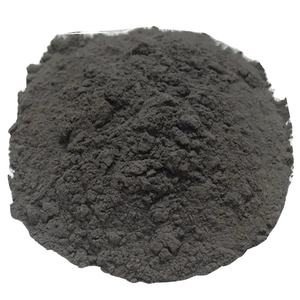
(Mar a chleachdas tu electrolyte gu sàbhailte)
POSTAIL RANNAN
Iarrtas Adhartas Graphite ann am Plataichean Bipolar Cell Connaidh
Tungsten copair Mar stuth electrode EDM

Diawa Sealine Custom Graphite 6’6" Slatan?
