Propesyonal nga graphite material supplier, graphite alang sa EV, grasa, hudno ug bisan unsang ubang industriya.


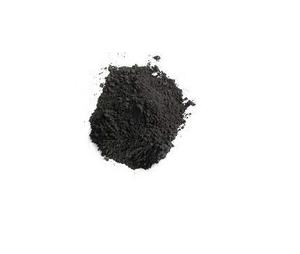
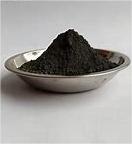
(Anode En Graphite para sa Electric Vehicle Baterya)
Ang graphite usa sa labing hinungdanon nga materyales nga gigamit sa mga baterya sa de-koryenteng salakyanan. Kini mao ang anode sa usa ka lithium-ion nga baterya, where it conducts electricity and generates electrons that flow into the cathode, allowing the battery to function.
Unlike silicon-based anodes, graphite doesn’t rely on chemicals or solvents to etch a path through the anode and into the cathode to release electrons and drive the battery. That means the anode can withstand the harsh environment of the battery without losing its capacity over time.
A key drawback to synthetic graphite is that it requires a high amount of energy to process the material into anode form. Dugang pa, it emits twice as much CO2 as natural graphite.
Ingon sa usa ka resulta, many EV makers are shunning synthetic graphite in favor of natural flake material. This has helped fuel a price differential between the two, which has encouraged EV makers to secure diversified supplies of raw material.
According to market sources, a shift from electrodes graphitization to anode manufacturing is likely as China’s decarbonization efforts and downstream manufacturers’ awareness of supply chain diversification have boosted demand for natural anode raw materials. Sa 2021, the market for natural graphite active anode material could grow to 400,000 tonnes and scale up to 3Mt by 2030.
The key to developing anodes that deliver higher rate capability and energy density, ubos nga unang siklo dili mabalik nga pagkawala sa kapasidad ug mas taas nga siklo sa kinabuhi, is optimizing the morphology of the anode particles. Using an electron microscope, researchers can examine the nanoscale structure of graphite, which is key to achieving these goals.
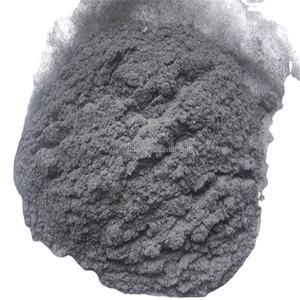
(Anode En Graphite para sa Electric Vehicle Baterya)