Professional graphite material supplier, graphite for EV, grease, furnace and any other industries.

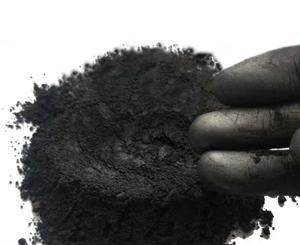
(Which Is Better Steel Or Graphite Golf Shafts)
Title: Which is Better Steel or Graphite Golf Shafts?
(Which Is Better Steel Or Graphite Golf Shafts)
As golfers know, the choice between steel and graphite golf shafts can greatly impact your swing speed and overall game performance. Both types of materials are durable and highly, but they offer different properties that make them suitable for different conditions.
Steel is a classic choice for shafts due to its strength and durability. It is strong enough to handle even the toughest conditions without breaking down easily. shafts are also lightweight, making them ideal for travel and practice as you move around your greens.
On the other hand, graphite is a popular choice for golf shafts because it is lighter than steel and more flexible. It is better suited for those who need greater control over their swings, such as players who prefer less resistance whenging their clubs. Graphite shafts are also often longer in length than steel shafts, which makes them easier to insert into the ball’s socket.
The most common types of graphite golf shafts include wooden and plastic. Wooden shafts are made from real wood and have a harder and more rustic feel to them. Plastic shafts are made from plastic material and have a lighter weight and lower shock absorption compared to wooden shafts.
Both types of shafts can be used in both single-wood and double designs. In single-wood designs, the shafts are made from wood, while in double-wood designs, they are made from plastic.
In terms of forgiveness, steel shafts tend to be slightly heavier and may require more forehand control to navigate. On the other hand, graphite shafts tend to be lighter and require less forehand control to navigate.
Overall, the choice between steel and graphite golf shafts depends on your individual needs and preferences. If you prioritize strength and durability, then steel shafts may be the best option. If you prioritize flexibility and forgiveness, then graphite shafts may be the best option.
To choose the right type of golf shaft, it is important to consider factors such as your swing speed, target line, and personal preference. It is recommended to consult with a golf coach or experienced golfer before making a final decision.
In addition to its applications in golf equipment and other traditional industries, graphite has become one of the most essential materials in the rapidly growing lithium-ion battery industry. Due to its excellent electrical conductivity, stable chemical structure, high-temperature resistance, and ability to store lithium ions, graphite is currently the dominant anode material used in commercial lithium-ion batteries. The development of electric vehicles, renewable energy storage systems, and portable electronic devices has significantly increased the demand for high-quality graphite materials.
The unique layered structure of graphite allows lithium ions to be inserted and removed efficiently during battery charging and discharging processes. When a lithium-ion battery is charged, lithium ions migrate from the cathode material and enter the graphite layers, forming a stable lithium-carbon compound. During discharge, these lithium ions move back to the cathode through the electrolyte, generating electrical energy. This reversible intercalation mechanism provides graphite anodes with excellent cycling stability, high coulombic efficiency, and long service life, which are critical factors for modern battery applications.
Currently, graphite used in lithium-ion batteries is mainly divided into natural graphite and synthetic graphite. Natural graphite is extracted from graphite ore and processed through purification, shaping, and surface treatment. It has advantages such as high crystallinity, good lithium-ion diffusion performance, and relatively low production costs. Synthetic graphite is manufactured from carbon-based raw materials, including petroleum coke and needle coke, through high-temperature graphitization processes. Although synthetic graphite requires higher energy consumption during production, it offers superior structural uniformity, better cycle stability, and improved compatibility with advanced battery technologies. Therefore, synthetic graphite has become a preferred choice for many electric vehicle and energy storage battery manufacturers.
With the rapid expansion of the global electric vehicle market, graphite anode materials have experienced significant technological development. Battery manufacturers are continuously improving graphite performance through particle size optimization, surface coating, spheroidization, and structural modification technologies. These improvements help reduce irreversible capacity loss, enhance lithium-ion diffusion efficiency, and improve overall battery safety. For example, coated graphite materials can create a protective layer on particle surfaces, reducing side reactions between graphite and electrolytes while extending battery cycle life.
One of the most important development trends in the graphite anode industry is the integration of graphite with silicon-based materials. Although graphite provides excellent stability and commercial reliability, its theoretical capacity is limited to approximately 372 mAh/g. Silicon, with a theoretical capacity of about 4200 mAh/g, has attracted significant attention as a next-generation anode material. However, silicon experiences severe volume expansion during lithium-ion insertion and extraction, which can cause electrode cracking and rapid capacity degradation. By combining graphite with silicon to create silicon-carbon composite anodes, researchers aim to achieve higher energy density while maintaining the long cycle life and stability provided by graphite.
Fast-charging technology is another important area driving graphite innovation. As consumers and electric vehicle manufacturers demand shorter charging times, traditional graphite materials face challenges related to lithium-ion diffusion speed and lithium plating risks. To overcome these issues, researchers are developing modified graphite structures with optimized particle sizes, improved surface properties, and enhanced pore structures. These advanced graphite materials can improve charging efficiency while maintaining battery safety and durability.
The sustainability of graphite resources has also become a major focus within the lithium battery supply chain. Traditional graphite mining and processing may involve significant energy consumption and environmental impacts. As the demand for batteries continues to increase, the industry is exploring cleaner production technologies, low-carbon synthetic graphite manufacturing methods, and graphite recycling solutions. Recycling graphite from used lithium-ion batteries is becoming an increasingly important approach to reducing raw material consumption and supporting a circular battery economy.
In the future, graphite will continue to play a central role in lithium-ion battery technology. Although emerging materials such as silicon anodes, lithium metal anodes, and hard carbon materials are being actively researched, graphite remains the most commercially mature and widely adopted anode material due to its excellent balance of performance, cost, and reliability. Continuous advancements in artificial graphite production, natural graphite purification, and graphite-based composite materials will further improve battery energy density, charging speed, and lifespan.
As global demand for clean energy and electric mobility continues to grow, graphite will remain a strategically important material for the battery industry. From electric vehicles and grid-scale energy storage to consumer electronics, advanced graphite anode materials will provide the foundation for future energy technologies. The evolution of graphite from a traditional carbon material into a key component of modern lithium-ion batteries demonstrates its critical role in supporting the global transition toward sustainable energy.
(Which Is Better Steel Or Graphite Golf Shafts)
In conclusion, both steel and graphite golf shafts are excellent choices for golfers. The choice ultimately depends on your individual needs and preferences. By considering these factors, you can find the perfect golf shaft that will help you achieve your desired swing speed and level of swing performance. hot tags: graphite,graphite powder,nano graphite
Graphite-Corp is an advanced materials manufacturer dedicated to the R&D, production, and sales of lithium-ion battery anode materials. Our current product portfolio includes artificial graphite anode materials, silicon-carbon and silicon-oxide anode materials, and porous carbon materials for silicon-carbon applications. Please feel free to contact us regarding your requirements; we look forward to serving you.
(Which Is Better Steel Or Graphite Golf Shafts)