Professional graphite material supplier, graphite for EV, grease, furnace and any other industries.

Understanding Lithium Battery Thermal Runaway Safety
With the rapid development of electric vehicles, renewable energy storage, and portable electronic devices, lithium-ion batteries have become one of the most important energy storage technologies worldwide. However, as battery energy density continues to increase, thermal runaway safety performance of lithium batteries has become a major concern for manufacturers, researchers, and consumers.
Thermal runaway refers to an uncontrollable chain reaction inside a lithium battery caused by excessive heat generation. When the internal temperature rises beyond a critical point, chemical reactions accelerate rapidly, potentially leading to battery swelling, smoke, fire, or even explosion. Improving battery safety has therefore become a key focus in the lithium battery industry. Among various battery materials, synthetic graphite plays an important role in improving the stability, reliability, and safety performance of lithium-ion battery anodes.

What Is Thermal Runaway in Lithium Batteries?
Thermal runaway occurs when the heat generated inside a lithium battery exceeds its ability to dissipate heat. Under normal operating conditions, lithium-ion batteries maintain a balanced relationship between charge transfer, chemical reactions, and temperature control. However, abnormal situations such as overcharging, internal short circuits, physical damage, or high-temperature environments can disrupt this balance.
During thermal runaway, several reactions may occur:
- Decomposition of the solid electrolyte interphase (SEI) layer
- Reaction between lithium ions and electrolyte components
- Decomposition of cathode materials and release of oxygen
- Rapid increase in internal temperature and pressure
These reactions can release a large amount of heat within a short period, creating safety risks. Therefore, improving the thermal stability of battery components is essential for next-generation lithium battery development.
The Relationship Between Synthetic Graphite and Lithium Battery Safety
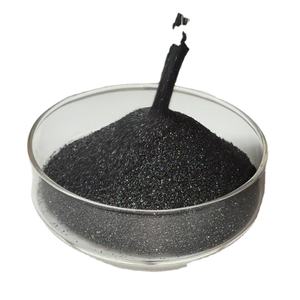
Synthetic graphite is one of the most widely used anode materials in commercial lithium-ion batteries. Compared with natural graphite, synthetic graphite is produced through a controlled manufacturing process using carbon-based precursors, followed by high-temperature graphitization treatment.
The highly ordered crystal structure of synthetic graphite provides several advantages for battery safety:
1. Improved Structural Stability
Synthetic graphite has a uniform particle structure and controllable physical properties. This allows lithium ions to be inserted and extracted more evenly during charging and discharging cycles. A stable graphite structure helps reduce mechanical stress inside the electrode, minimizing particle cracking and unwanted side reactions.
By maintaining structural integrity over long-term cycling, synthetic graphite helps improve battery reliability and reduces the possibility of safety problems caused by electrode degradation.
2. Lower Risk of Side Reactions
Battery safety is closely related to the stability of the interface between the anode and electrolyte. High-quality synthetic graphite can form a stable SEI layer during the initial charging process.
A stable SEI layer reduces continuous electrolyte decomposition and prevents excessive heat generation. This characteristic helps lower the probability of thermal runaway caused by uncontrolled chemical reactions inside the battery.
3. Better Performance Under High Charging Conditions
Fast charging has become an important requirement for electric vehicles and energy storage systems. However, rapid lithium-ion movement can increase the risk of lithium plating on the anode surface, which may lead to internal short circuits and thermal safety issues.
Advanced synthetic graphite materials with optimized particle size, surface coating, and pore structure can improve lithium-ion diffusion efficiency. This reduces lithium plating risks and enhances battery safety during high-rate charging.
How Synthetic Graphite Improves Overall Battery Safety
In addition to improving anode stability, synthetic graphite contributes to safer lithium battery systems through several technical advantages:
High purity:
Synthetic graphite typically has controlled impurity levels, reducing unwanted catalytic reactions between impurities and electrolytes.
Excellent electrical conductivity:
Its high conductivity allows efficient electron transport, reducing localized resistance and heat accumulation inside the electrode.
Controlled particle morphology:
Manufacturers can adjust the particle size and shape of synthetic graphite to optimize electrode density, mechanical strength, and electrochemical performance.
Long cycle life:
A stable synthetic graphite anode maintains battery performance over thousands of cycles, reducing safety risks caused by aging and material degradation.
Future Development of Synthetic Graphite for Safer Lithium Batteries
As electric vehicles and large-scale energy storage systems continue expanding, the demand for safer and higher-performance lithium batteries is increasing. Future synthetic graphite technologies will focus on improving energy density, fast-charging capability, and thermal stability.
Researchers are developing advanced solutions such as:
- Silicon-carbon and synthetic graphite composite anodes
- Surface-coated synthetic graphite materials
- Low-expansion synthetic graphite structures
- High-capacity graphite-based anode technologies
These innovations aim to achieve a better balance between energy density and safety performance. Although emerging anode materials such as silicon-based materials offer higher theoretical capacity, synthetic graphite remains the dominant commercial choice due to its excellent stability, mature production technology, and proven safety advantages.
Conclusion
The thermal runaway safety performance of lithium batteries is a critical factor affecting the future development of electric vehicles and energy storage technologies. As a key anode material, synthetic graphite plays an essential role in improving battery stability, reducing side reactions, and enhancing overall safety.
Through continuous improvements in material design, manufacturing processes, and surface modification technologies, synthetic graphite will continue to support the development of safer, longer-lasting, and more efficient lithium-ion batteries. As the global demand for clean energy grows, advanced synthetic graphite materials will remain a fundamental component of the next generation of high-performance battery systems.