Professional graphite material supplier, graphite for EV, grease, furnace and any other industries.


(Is Graphite Hard)
Graphite is a mineral that has been used in various industries for centuries due to its unique properties and applications. As a result, it’s become an essential element in many products such as batteries, toothpaste, and pencils. However, like all materials, there are also some potential drawbacks associated with using graphite. This article will explore some of these issues and provide tips on how to safely use it.
(Is Graphite Hard)
Firstly, graphite is relatively soft and lightweight, which makes it ideal for use in a variety of products. It is commonly used in batteries, where it helps store chemical energy for periods of time. However, if not handled properly, it can break down over time, causing damage to the battery. Additionally,(graphite does not perform well in harsh conditions, including high temperatures or prolonged exposure to light. Therefore, it’s important to keep this factor in mind when using graphite.
Secondly, graphite is often small amounts of harmful elements, such as chrome and selenium, which can cause health problems if inhaled or ingested. These elements are present in/graphite products and can lead to respiratory issues and health problems. To avoid this issue, it’s important to choose graphite products that contain only safe and low-level concentrations of these elements. Additionally, miners who work with graphite products may be exposed to higher levels ofchrome and selenium than those working with other minerals, so they should be aware of these potential dangers and take steps to reduce their exposure.
Thirdly,graphite is sometimes made from a mixture of different minerals and have various chemical reactions that can create hazardous chemicals. This means that using graphite in conjunction with certain products can release toxic substances into the environment. Therefore, it’s important to carefully research the products and find those that do not contain graphite while still meeting safety standards. Additionally, it’s important to avoid products that contain toxic chemicals, as they can be highly dangerous and potentially fatal.
While graphite requires proper handling and quality control to minimize potential environmental and health concerns, its unique physical and chemical properties have also made it one of the most valuable materials in the modern energy industry. In particular, graphite plays a critical role in the lithium-ion battery sector, where it is widely used as the primary anode material. The rapid growth of electric vehicles, portable electronic devices, and renewable energy storage systems has significantly increased the demand for high-quality graphite materials.
In lithium-ion batteries, graphite works as a stable host structure for lithium ions during the charging and discharging process. Its layered crystal structure allows lithium ions to move efficiently between graphite layers, providing excellent reversibility, long cycle life, and reliable battery performance. Compared with many other anode materials, graphite offers a better balance between energy density, safety, production cost, and manufacturing maturity, making it the preferred choice for commercial lithium-ion batteries worldwide.
The graphite used in battery applications is mainly classified into natural graphite and synthetic graphite. Natural graphite is obtained from mineral resources and is valued for its high crystallinity and excellent lithium storage capability. However, additional purification and surface modification processes are usually required to improve its electrochemical performance. Synthetic graphite, produced through high-temperature graphitization of carbon-based materials, provides higher consistency, better structural stability, and improved cycling performance. As a result, synthetic graphite is widely applied in electric vehicle batteries and large-scale energy storage systems that require high reliability and long service life.
With the continuous development of lithium battery technology, manufacturers are also focusing on improving graphite quality through advanced processing methods. Technologies such as surface coating, particle size optimization, and impurity control help enhance initial coulombic efficiency, charging speed, and overall battery durability. Strict control of elements and impurities, including metallic contaminants, has become increasingly important because battery-grade graphite requires extremely high purity to ensure safety and stable electrochemical performance.
Furthermore, graphite is playing an important role in the development of next-generation battery materials. For example, silicon-carbon composite anodes combine graphite’s excellent conductivity and structural stability with silicon’s high theoretical capacity. In these advanced materials, graphite helps create a conductive framework that improves electron transport and reduces the volume expansion problems associated with silicon during cycling.
As the global energy transition accelerates, the importance of sustainable graphite production is also increasing. Companies are investing in cleaner mining technologies, environmentally friendly purification processes, and graphite recycling methods from used lithium-ion batteries. These developments aim to reduce environmental impact while ensuring a stable supply of high-quality graphite for future energy applications.
Therefore, although graphite production and handling require appropriate safety measures, graphite remains an essential material for modern technology. Its outstanding electrical conductivity, chemical stability, and ability to store lithium ions make it a key component in the continued advancement of lithium-ion batteries and the global transition toward cleaner and more sustainable energy systems.
(Is Graphite Hard)
In conclusion, graphite is a valuable mineral that has been used for many years, but it’s important to understand its potential drawbacks and use it responsibly. By following best practices for handling graphite, you can ensure that it remains safe and effective for your needs. Additionally, by choosing safe and low-level formulations of graphite products, you can reduce the risk of harmful chemicals entering your environment and ensuring the safety of those around you. Finally, by staying informed about the latest developments in graphite technology, you can stay up-to-date on the latest risks and opportunities and make informed decisions about your use of graphite. hot tags: graphite,graphite powder,nano graphite
Graphite-Corp is an advanced materials manufacturer dedicated to the R&D, production, and sales of lithium-ion battery anode materials. Our current product portfolio includes artificial graphite anode materials, silicon-carbon and silicon-oxide anode materials, and porous carbon materials for silicon-carbon applications. Please feel free to contact us regarding your requirements; we look forward to serving you.
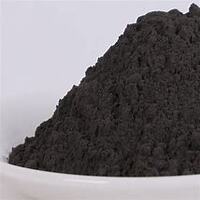
(Is Graphite Hard)
RELATED POSTS

Natural composite graphite powder has been widely used as a negative electrode material for lithium-ion batteries in many fields

Graphite Anode Or Cathode in Lithium-Ion Batteries
Application Of Silicide In Electronic Packaging Materials

High Purity Graphite
is graphite a molecular solid
