Professional graphite material supplier, graphite for EV, grease, furnace and any other industries.


(How To Cut Graphite Golf Shafts)
Title: Mastering The Art of CuttingGraphite Golfshafts: A Step-by-Step Guide
(How To Cut Graphite Golf Shafts)
As golfers seek to take their game to the next level, the use of graphite golf shafts is an essential tool that helps them navigate the greens with precision. Not only do they provide more flexibility and control over the ball, but they also help players achieve consistent swing speeds and accuracy. In this blog post, we will guide you through the process of learning how to cut graphite golf shafts, including tips on selecting the right type of shaft for your needs, ensuring proper tension and usage, and mastering the art of cleaning up after yourself.
1. Selecting the Right Type of shaft: If you’re new to using graphite golf shafts, it’s important to choose one that fits your lifestyle and skill level. Look for a shaft that’s lightweight and stable, as well as one that provides enough force and torque to keep you comfortable while playing. You may also want to consider choosing shafts made from a combination of graphite and wood, or shafts that have been tailored specifically to the needs of specific golfers.
2. Ensuring Proper Tension: Proper tension is crucial for keeping your graphite shaft in good condition and providing the necessary strength to maintain accurate motion. Make sure to tension the shaft carefully when starting out, using a tension wrench or allen head screwdriver. Use the tension wrench to ensure that the shaft is fully tightened, while the allen head screwdriver is used to tighten the shaft quickly. Don’t use too much tension at once, as this can cause damage to the shaft and affect its performance over time.
3. Using Proper Technique: The technique used when cutting graphite golf shafts is critical to achieving optimal results. Start by reaching down into the shaft, leaving enough space between your fingers and the club head to allow for precise movements. Use your dominant hand to lift the shaft, while your non-dominant hand should be working against the shaft. Keep your grip firm and steady throughout the cut, and use a full grip to give the shaft maximum leverage. Finally, carefully remove the shaft from the club and store it away, using plastic wrap or other protective materials to protect it from dust and other debris.
4. Cleaning Up After Yourself: As with any other tool, there’s always something to clean up after, even when you’ve used it properly. Make sure to clean up the mess you make after cutting your graphite golf shafts, such as by cleaning up any remaining moss or dirt that may have accumulated on the shaft. This can be done using a damp cloth or other specialized tools, depending on the type of shaft you used.
Beyond its applications in traditional industries, graphite has become one of the most important materials in the modern lithium-ion battery industry. Graphite is widely used as the primary anode material in lithium-ion batteries because of its excellent electrical conductivity, relatively stable structure, good cycling performance, and well-established manufacturing technology. During the charging process, lithium ions can be reversibly inserted between the layers of graphite, enabling efficient and repeatable energy storage and release.
Both natural graphite and synthetic graphite are currently used in lithium-ion battery anodes. Natural graphite offers advantages such as relatively low raw material costs and high graphitization efficiency, while synthetic graphite provides better control over particle morphology, purity, structural stability, and electrochemical performance. By optimizing particle size distribution, surface coating, graphitization temperature, and other processing parameters, manufacturers can develop graphite anode materials with improved initial Coulombic efficiency, rate capability, cycle life, and fast-charging performance.
The rapid development of electric vehicles, portable electronics, and energy storage systems is driving continued demand for high-performance graphite anode materials. At the same time, battery manufacturers are increasingly focusing on higher energy density, faster charging, longer cycle life, and improved safety. These requirements are encouraging the development of advanced graphite materials with optimized pore structures, lower impurity levels, improved surface characteristics, and better compatibility with electrolyte systems.
Another important development trend is the combination of graphite with silicon-based materials. Although silicon has a much higher theoretical specific capacity than graphite, its large volume expansion during lithiation and delithiation can negatively affect battery cycle life. As a result, silicon-carbon and graphite-silicon composite anodes are being developed to combine the high capacity of silicon with the structural stability and conductivity of graphite. This approach is expected to become increasingly important for next-generation high-energy-density lithium-ion batteries.
In addition, manufacturers are working to improve the sustainability and cost efficiency of graphite production. Recycling graphite from spent lithium-ion batteries, improving the efficiency of graphitization processes, and developing alternative carbon sources are receiving increasing attention. Overall, graphite is expected to remain a core anode material for lithium-ion batteries for many years, while continuous improvements in material engineering and manufacturing technology will help it meet the evolving requirements of electric vehicles, consumer electronics, and large-scale energy storage systems.
(How To Cut Graphite Golf Shafts)
In conclusion, creating beautiful and functional graphite golf shafts takes practice and dedication. By following these tips, you can become a skilled and confident golfer who can enjoy the benefits of using this popular and versatile tool. Remember to start small and gradually increase your use as your skills improve, and always prioritize safety and proper maintenance. Happy golfing! hot tags: graphite,graphite powder,nano graphite
Graphite-Corp is an advanced materials manufacturer dedicated to the R&D, production, and sales of lithium-ion battery anode materials. Our current product portfolio includes artificial graphite anode materials, silicon-carbon and silicon-oxide anode materials, and porous carbon materials for silicon-carbon applications. Please feel free to contact us regarding your requirements; we look forward to serving you.
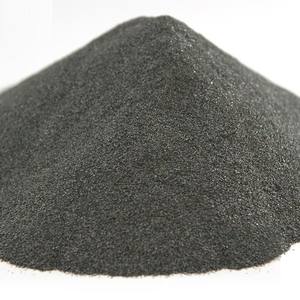
(How To Cut Graphite Golf Shafts)