Professional qrafit material tədarükçüsü, EV üçün qrafit, yağ, soba və hər hansı digər sənayelər.


(Qrafit Anod Materialı Vs Silikon Anod Materialı)
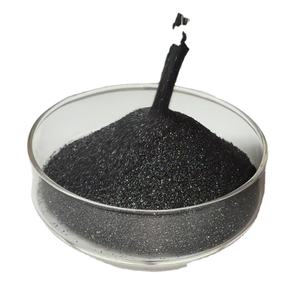
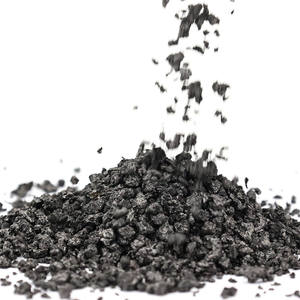
graphite anode material has dominated the battery industry since its inception, thanks to its incomparable balance of low cost, bol tədarük, high energy density and long cycle life. This combination of properties has been a key driver for the development of advanced lithium-ion batteries that are poised to drive the future of electric vehicles and grid-scale energy storage.
Doldurma zamanı, Li-ions flow from the cathode to the anode through an electrolyte buffer that separates the two electrodes. During discharge, the same process is reversed as the battery discharges energy.
The anode material must handle the ions and electrons well during charge/discharge, while also preventing its surface from cracking and swelling. Graphite has an excellent ability to do this, but it also requires special processing in order to be used as an anode.
Silicon is considered a possible alternative to graphite as an active anode material, but it suffers from many drawbacks. It has higher theoretical energy and volumetric density compared with graphite, but it also swells much more than graphite during charge/discharge cycling, which leads to cell instability, capacity degradation and reduced cycle life when it is used in significant proportions.
Nəticədə, silicon anode developers are racing to secure patent protections and market exclusivity. Bundan əlavə, there are concerns that industry consolidation may be imminent as the market for silicon anode materials matures.
(Qrafit Anod Materialı Vs Silikon Anod Materialı)