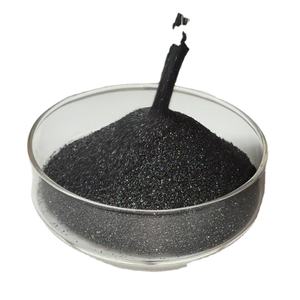
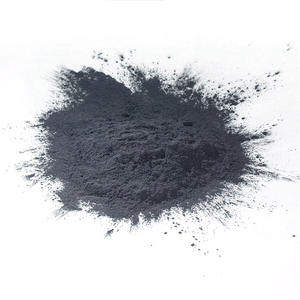
Professional graphite material supplier, graphite for EV, grease, furnace and any other industries.

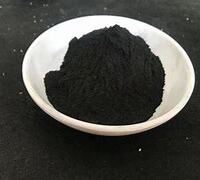
(is graphite a metal)
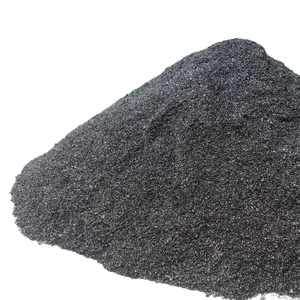
Graphite is not typically considered to be a metal because it does not have the same properties as metals such as density, melting point, and conductivity. However, it can still hold some important characteristics that make it useful in certain applications.
(is graphite a metal)
One of the most significant properties of graphite is its high thermal conductivity. Graphite has a thermal conductivity of around 168 W/m·K, which means that it can easily transfer heat from one object to another at high temperatures. This property makes graphite an ideal material for use in electrical devices such as power transformers and electronic components.
Another important characteristic of graphite is its low melting point. Graphite has a melting point of around 3270°C, which is significantly lower than many other materials. This property makes it useful in the production of adhesives, coatings, and other materials that require low melting points.
Graphite also has excellent chemical stability, making it resistant to corrosion and degradation. It is highly resistant to acids and bases, and it can even resist the of saltwater. These properties make graphite a popular choice for applications where durability and resistance to corrosion are important.
In addition to its physical and chemical properties, graphite is also relatively lightweight. Despite its high thermal conductivity and low melting point, graphite has a density of only about 4 g/cm³, which is much lighter than many other materials. This makes it particularly suitable for use in applications where weight is critical, such as aerospace engineering and automotive manufacturing.
Graphite has become one of the most important materials in the lithium-ion battery industry due to its unique layered structure, excellent electrical conductivity, and outstanding electrochemical stability. As the primary anode material in commercial lithium-ion batteries, graphite plays a critical role in determining battery performance, including energy density, cycle life, charging efficiency, and safety. Since the commercialization of lithium-ion batteries in the early 1990s, graphite has gradually replaced many other carbon-based materials because of its excellent balance between cost, performance, and reliability.
The main reason graphite is widely used as an anode material is its ability to reversibly store lithium ions between its graphene layers. During the charging process, lithium ions move from the cathode and become embedded between the graphite layers, forming a lithium-graphite intercalation compound. During discharge, these lithium ions are released and travel back to the cathode, generating electrical energy. This reversible lithium-ion intercalation mechanism allows graphite anodes to achieve high cycling stability and low capacity degradation, making them suitable for electric vehicles, portable electronics, and large-scale energy storage systems.
Currently, two major types of graphite are used in lithium-ion battery anodes: natural graphite and synthetic graphite. Natural graphite is obtained from graphite ore and processed through purification, shaping, and surface modification processes. It offers high crystallinity, excellent lithium-ion diffusion capability, and relatively low production costs. Synthetic graphite, on the other hand, is produced from carbon-rich precursors such as petroleum coke and coal-based materials through high-temperature graphitization. Although synthetic graphite has a higher production cost, it provides better structural consistency, improved cycle performance, and stronger compatibility with high-performance battery systems. As a result, synthetic graphite is widely used in electric vehicle batteries and high-end energy storage applications.
With the rapid growth of the global electric vehicle market, demand for high-performance graphite anode materials has increased significantly. Modern lithium-ion batteries require higher energy density, faster charging capability, and longer service life. To meet these requirements, graphite manufacturers are continuously developing advanced modification technologies, including particle size optimization, surface coating, spheroidization, and carbon composite treatment. These technologies help improve lithium-ion transport efficiency, reduce irreversible capacity loss, and enhance battery safety.
One of the major development directions in the graphite anode industry is the combination of graphite with silicon-based materials. Although graphite has excellent stability, its theoretical specific capacity is limited to approximately 372 mAh/g. Silicon materials have a much higher theoretical capacity of around 4200 mAh/g, but they suffer from severe volume expansion during lithium insertion and extraction. By combining graphite with silicon materials to form silicon-carbon composites, researchers aim to increase battery energy density while maintaining the stability and long cycle life of graphite. Silicon-carbon anode materials are expected to become an important next-generation solution for high-energy lithium-ion batteries, especially in electric vehicles and consumer electronics.
Another important trend is the development of fast-charging graphite anodes. The increasing popularity of electric vehicles has created strong demand for batteries that can be charged within a short period of time. Researchers are improving graphite structures through surface engineering, pore structure optimization, and doping technologies to accelerate lithium-ion diffusion and reduce charging resistance. Modified graphite materials with optimized particle size distribution and surface characteristics can significantly improve charging performance while maintaining battery safety.
The sustainability of graphite supply chains has also become an important issue in the lithium battery industry. Traditional graphite mining and processing may generate environmental concerns, including energy consumption, carbon emissions, and waste generation. To address these challenges, battery manufacturers and material suppliers are exploring cleaner production methods, recycled graphite materials, and environmentally friendly processing technologies. Recycled graphite recovered from used lithium-ion batteries is becoming an emerging resource that can help reduce dependence on natural resources and support the development of a circular battery economy.
In the future, graphite will continue to play a fundamental role in lithium-ion battery technology. Although emerging anode materials such as silicon, lithium metal, and hard carbon are being actively researched, graphite remains the most mature and commercially successful anode material due to its excellent reliability, cost advantages, and large-scale manufacturing capability. With continuous improvements in material design, production technology, and recycling systems, advanced graphite materials will continue to support the expansion of electric vehicles, renewable energy storage, and next-generation battery technologies.
As the global transition toward clean energy accelerates, the demand for high-quality graphite anode materials is expected to grow rapidly. The development of artificial graphite, natural graphite modification technologies, and graphite-based composite materials will remain a key focus of the lithium battery industry. Graphite is not only a traditional carbon material but also a strategic component supporting the future of sustainable energy and advanced battery systems.
(is graphite a metal)
Overall, while graphite is not typically considered to be a metal, it does possess some important characteristics that make it useful in various applications. Its high thermal conductivity, low melting point, good chemical stability, and relatively lightweight nature make it an attractive material for a wide range of uses. Whether you’re looking for an insulating material for your home or an aerospace component, there’s no doubt that graphite will play a role in your design and production process. hot tags: graphite,graphite powder,nano graphite
Graphite-Corp is an advanced materials manufacturer dedicated to the R&D, production, and sales of lithium-ion battery anode materials. Our current product portfolio includes artificial graphite anode materials, silicon-carbon and silicon-oxide anode materials, and porous carbon materials for silicon-carbon applications. Please feel free to contact us regarding your requirements; we look forward to serving you.
(is graphite a metal)