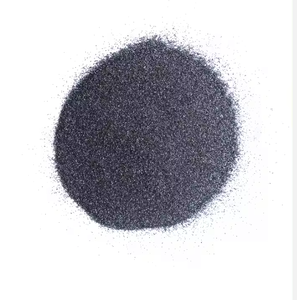
Professional graphite material supplier, graphite for EV, grease, furnace and any other industries.


(Graphite Anode for Lithium Ion Battery (LIB))
As a key component for lithium ion battery (LIB) for electric vehicles, graphite is and will remain the main anode material in the medium to long term. The graphite used for LIBs comes either in the form of natural flakes that need to be converted to a spherical state or synthetically produced with a special process. Increasing the energy density of graphite-based anodes is one of the most important targets for improving the performance of LIBs, which are expected to reach significant market penetration in the near future.
Several strategies are currently being pursued to improve the anode performance, including pre-lithiation and modification of the electrode/electrolyte interface. These approaches aim at reducing the first cycle irreversible capacity loss (Cirr) and optimizing cycling behavior.
To this end, researchers have studied the impact of varying the microstructure of graphite anodes for EV applications by introducing nanoparticles into the original structure. For example, a porous silicon@graphite composite has been successfully developed through ball milling to achieve a high capacity of 1178 mA h g-1. Moreover, the addition of Si nanoparticles into the graphite microstructure resulted in an improved Cirr of 86% after 150 cycles.
However, it remains challenging to fully understand the underlying mechanisms that influence the electrochemical intercalation and extraction of lithium ions in graphite anodes during cell operation. In this study, the surface and structure morphology of graphite anodes dismantled from fresh and degraded cells was analyzed by XRD, SEM, and TEM. The evolution of radial, tangential and shear stresses in the active particles, as well as the volume changes that occur during cycling were characterized.
With the continuous development of lithium-ion battery technology, graphite has become one of the most important commercial anode materials due to its excellent electrochemical stability, high electrical conductivity, and relatively low cost. Currently, both natural graphite and synthetic graphite are widely used in EV batteries, energy storage systems, and consumer electronics. To meet the growing demand for higher energy density and faster charging capability, researchers are exploring advanced graphite-based materials, including silicon-graphite composites, surface-coated graphite, and structurally modified graphite anodes. These innovations aim to overcome the limitations of traditional graphite, such as limited theoretical capacity and slow lithium-ion diffusion. As the global electric vehicle market continues to expand, the development of high-performance graphite anode materials will remain a key factor in improving battery efficiency, safety, and long-term reliability
Graphite-Corp is an advanced materials manufacturer dedicated to the R&D, production, and sales of lithium-ion battery anode materials. Our current product portfolio includes artificial graphite anode materials, silicon-carbon and silicon-oxide anode materials, and porous carbon materials for silicon-carbon applications. Please feel free to contact us regarding your requirements; we look forward to serving you.

(Graphite Anode for Lithium Ion Battery (LIB))
RELATED POSTS
Nano Graphite Powder
From Startup to Leader: The Technological Journey of a Material
How To Tell Difference Between Carbon And Graphite Electrodes
What Is Im12 Graphite
Application of Graphite Materials as Conductive Agents: A Key Material for Improving Lithium-Ion Battery Performance