Umthengisi wezinto eziphathekayo zegraphite, igraphite ye-EV, igrisi, iziko kunye nawo nawaphi na amanye amashishini.

IIPARAMETHA ZEMVELISO
Inkcazo
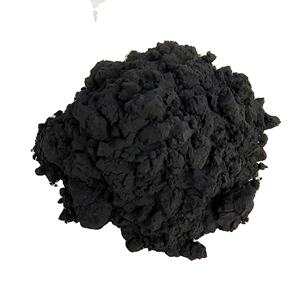
Lithium-ion batteries use carbon-coated silicon si-based composite materials as their anodes to store electricity. These materials have several advantages, including high energy density, good cycle life, and low maintenance requirements.
(Lithium Ion Battery Material Carbon Coated Silicon Si Based Composite Materials For Anode)
Overview of Lithium Ion Battery Material Carbon Coated Silicon Si Based Composite Materials For Anode
Silicon anode material is a high-capacity alternative to traditional graphite anodes in lithium-ion batteries. Isilicon, with its significantly higher theoretical specific capacity (about 4200 mAh/g compared to graphite’s 372 mAh/g), promises to dramatically increase the energy density of batteries. This feature has made silicon anodes a focal point of research and development for next-generation batteries, particularly in applications requiring extended battery life or reduced weight, such as electric vehicles (EVs) and portable electronics.
Features of Lithium Ion Battery Material Carbon Coated Silicon Si Based Composite Materials For Anode
High Lithium-Ion Capacity: Silicon can store much more lithium than graphite, theoretically resulting in substantial improvements in battery energy density.
Abundance and Sustainability: Silicon is the second most abundant element in the Earth’s crust, making it a readily available and sustainable option for battery production.
Low Reduction Potential: Facilitates efficient lithium insertion during battery charging.
Non-Toxic: Unlike some other high-capacity materials, silicon is non-toxic and environmentally friendly.
Challenges with Volume Expansion: Silicon experiences a volumetric expansion of up to 400% upon lithium absorption, leading to mechanical stress and potential electrode degradation.
(Lithium Ion Battery Material Carbon Coated Silicon Si Based Composite Materials For Anode)
Parameters of Lithium Ion Battery Material Carbon Coated Silicon Si Based Composite Materials For Anode
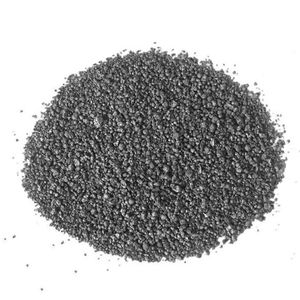
Lithium-ion batteries use carbon-coated silicon si-based composite materials as their anodes to store electricity. These materials have several advantages, including high energy density, good cycle life, and low maintenance requirements.
One of the most popular compositions of lithium-ion battery anodes is carbon-coated silicon si-based composite materials. The carbon coating provides protection against environmental factors such as heat and moisture, while the silicon material provides high electrical conductivity and thermal stability.
The ratio of these two components can vary depending on the specific application and desired properties. Umzekelo, in some applications, the silicon material may be used more heavily for its electrical conductivity, while in others it may be used more heavily for its thermal stability.
Kuko konke, the choice of lithium-ion battery anode composition will depend on the specific requirements of the application and the balance between performance and cost. It’s always best to consult with a professional expert in the field to determine the best combination of materials for your particular application.
(Lithium Ion Battery Material Carbon Coated Silicon Si Based Composite Materials For Anode)
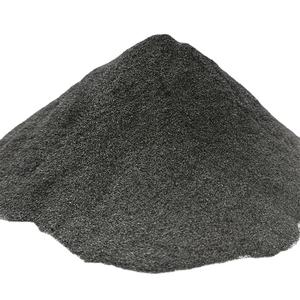
Applications of Lithium Ion Battery Material Carbon Coated Silicon Si Based Composite Materials For Anode
Electric Vehicles (EVs): Silicon anodes can significantly extend EV driving ranges by increasing battery energy density.
Consumer Electronics: Enhance battery life in smartphones, laptops, and wearables, enabling thinner devices or longer usage times.
Energy Storage Systems (ESS): Improve grid-scale energy storage efficiency and duration for renewable energy sources like solar and wind.
Aerospace: Enable lighter and more powerful batteries for unmanned aerial vehicles (UAVs) and satellites.
Iprofayile yekhampani
Graphite-Corp is a trusted globalchemical material supplier & umenzi onamava angaphezulu kweminyaka eli-12 ekuboneleleni ngomgubo wegraphite okumgangatho ophezulu ophezulu kunye neemveliso zegraphene.
Inkampani inesebe lobuchwephesha lobuchwephesha kunye neSebe lokuLawula uMgangatho, ilabhoratri enezixhobo ezifanelekileyo, kwaye ixhotyiswe ngezixhobo zokuvavanya eziphambili kunye neziko lenkonzo yabathengi emva kokuthengisa.
Ukuba ujonge umgubo wegraphite okumgangatho ophezulu kunye neemveliso ezinxulumeneyo, nceda uzive ukhululekile ukuqhagamshelana nathi okanye ucofe kwiimveliso ezifunekayo ukuthumela umbuzo.
Iindlela zokuhlawula
L/C, T/T, uwestern Union, I-Paypal, Ikhadi letyala njl.
Ukuthunyelwa ngenqanawa
Yayinokuthunyelwa ngolwandle, ngomoya, okanye ngokutyhila ngokukhawuleza emva kokuba kufunyenwe irisithi yentlawulo.
FAQs of Lithium Ion Battery Material Carbon Coated Silicon Si Based Composite Materials For Anode
Q: Why isn’t silicon already widely used in commercial batteries if it has such high capacity?
A: Silicon’s massive volume expansion during charging leads to electrode degradation and reduced cycle life. Researchers are working on overcoming this issue through material engineering and design innovations.
Q: How do researchers address the issue of silicon’s volume expansion?
A: Strategies include using nanostructured silicon, creating silicon composites with carbon or other materials, and designing porous structures to accommodate expansion.
Q: Is Lithium Ion Battery Material Carbon Coated Silicon Si Based Composite Materials For Anode more expensive than graphite ones?
A: Pure silicon is cheaper than graphite, but the processing and engineering required to make it viable as an anode material can increase costs. Nangona kunjalo, improvements in manufacturing processes are expected to lower costs over time.
Q: Does Lithium Ion Battery Material Carbon Coated Silicon Si Based Composite Materials For Anode affect battery charging time?
A: Silicon anodes alone do not inherently affect charging speed, but battery design and the choice of other components can influence charging rates.
Q: What is the current status of silicon anode technology in commercial batteries?
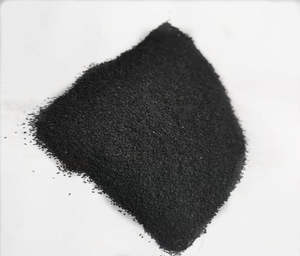
A: Some manufacturers are already incorporating silicon into graphite anodes in a blended form to enhance capacity modestly, while others are developing pure silicon or silicon composite anodes for high-end applications. Nangona kunjalo, widespread commercialization of pure silicon anodes is still in progress as researchers work to improve cycle life and manufacturability.
(Lithium Ion Battery Material Carbon Coated Silicon Si Based Composite Materials For Anode)

(Lithium Ion Battery Material Carbon Coated Silicon Si Based Composite Materials For Anode)
CELA ISICATSHULWA
IIMVELISO EZINXULUMENEYO
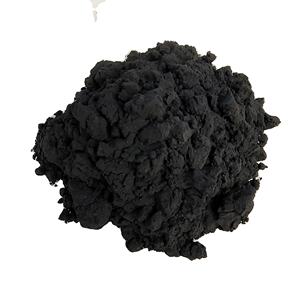
Carbon Coated Silicon Powder SiC Silicon Carbide Powder for Lithium Ion Battery Anode Materials
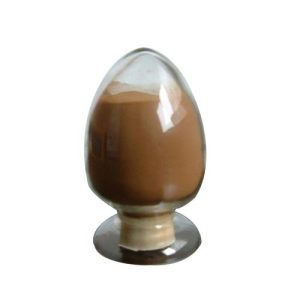
High Purity Lithium Battery Anode Material Silicon Oxide SiO Powder Silicon Monoxide Powder
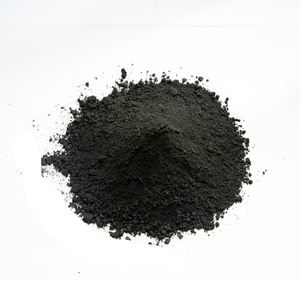
Carbon Coated Silicon Si-C Powder for Lithium Ion Battery Anode Raw Materials

Silicon carbon SI-C anode electrolyte for lithium ion battery production and lab research
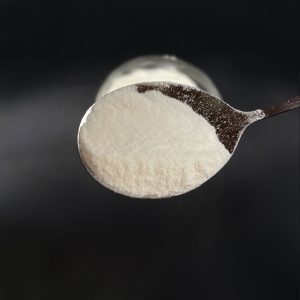
Silicon graphite composition materials Si based materials S420 S450 S550 S600 for lithium ion battery anode materials