


Muuzaji wa nyenzo za kitaalam za grafiti, grafiti kwa EV, grisi, tanuru na viwanda vingine vyovyote.

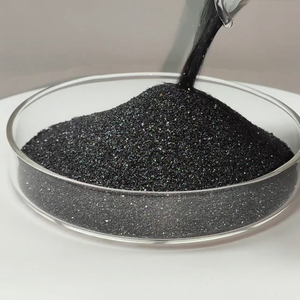
VIGEZO VYA BIDHAA
Maelezo
Silicon anode materials with different capacity for battery production are crucial for the development of high-performance batteries. These materials are typically used as cathodes in lithium-ion batteries and have a significant impact on their performance, safety, and cost.
(Silicon Anode Materials SlO Materials With Different Capacity for Battery Production)
Overview of Silicon Anode Materials SlO Materials With Different Capacity for Battery Production
Silicon anode material is a high-capacity alternative to traditional graphite anodes in lithium-ion batteries. Silikoni, with its significantly higher theoretical specific capacity (kuhusu 4200 mAh/g compared to graphite’s 372 mAh/g), promises to dramatically increase the energy density of batteries. This feature has made silicon anodes a focal point of research and development for next-generation batteries, particularly in applications requiring extended battery life or reduced weight, such as electric vehicles (EVs) and portable electronics.
Features of Silicon Anode Materials SlO Materials With Different Capacity for Battery Production
High Lithium-Ion Capacity: Silicon can store much more lithium than graphite, theoretically resulting in substantial improvements in battery energy density.
Abundance and Sustainability: Silicon is the second most abundant element in the Earth’s crust, making it a readily available and sustainable option for battery production.
Low Reduction Potential: Facilitates efficient lithium insertion during battery charging.
Non-Toxic: Unlike some other high-capacity materials, silicon is non-toxic and environmentally friendly.
Challenges with Volume Expansion: Silicon experiences a volumetric expansion of up to 400% upon lithium absorption, leading to mechanical stress and potential electrode degradation.

(Silicon Anode Materials SlO Materials With Different Capacity for Battery Production)
Parameters of Silicon Anode Materials SlO Materials With Different Capacity for Battery Production
Silicon anode materials with different capacity for battery production are crucial for the development of high-performance batteries. These materials are typically used as cathodes in lithium-ion batteries and have a significant impact on their performance, safety, and cost.
One example of a silicon anode material with high capacity is polysilicon (PSI). PSI is a high-quality semiconductor material that has a high electron mobility and excellent thermal stability. It is widely used in the production of lithium-ion batteries due to its high efficiency and low cost.
Another example of a silicon anode material with high capacity is indium-gallium boron nitride (IGBN). IGBN is a highly conductive and stable material that can withstand high temperatures and is suitable for use in advanced battery designs. It has a higher energy density than traditional silicon anodes and can be used in both commercial and research applications.
In addition to PSI and IGBN, other silicon anode materials with high capacity include gallium nitride (GaN), silicon carbide (SiC), and hexagonal boron nitride (BnD). Each of these materials has its own unique properties and can be used in different battery applications depending on the specific requirements.
Kwa ujumla, the choice of silicon anode material depends on various factors such as temperature, voltage, current, and cycling life. Researchers and industry experts continue to develop new materials and technologies to improve the performance and reliability of lithium-ion batteries.
(Silicon Anode Materials SlO Materials With Different Capacity for Battery Production)
Applications of Silicon Anode Materials SlO Materials With Different Capacity for Battery Production
Magari ya Umeme (EVs): Silicon anodes can significantly extend EV driving ranges by increasing battery energy density.
Consumer Electronics: Enhance battery life in smartphones, kompyuta za mkononi, na zinazoweza kuvaliwa, enabling thinner devices or longer usage times.
Energy Storage Systems (ESS): Improve grid-scale energy storage efficiency and duration for renewable energy sources like solar and wind.
Aerospace: Enable lighter and more powerful batteries for unmanned aerial vehicles (UAVs) and satellites.
Wasifu wa Kampuni
Graphite-Corp is a trusted globalchemical material supplier & mtengenezaji aliye na uzoefu wa zaidi ya miaka 12 katika kutoa unga wa hali ya juu wa grafiti na bidhaa za graphene.
Kampuni ina idara ya kitaaluma ya kiufundi na Idara ya Usimamizi wa Ubora, maabara yenye vifaa vya kutosha, na iliyo na vifaa vya hali ya juu vya upimaji na kituo cha huduma kwa wateja baada ya mauzo.
Ikiwa unatafuta poda ya grafiti ya ubora wa juu na bidhaa za jamaa, tafadhali jisikie huru kuwasiliana nasi au bonyeza bidhaa zinazohitajika kutuma uchunguzi.
Mbinu za Malipo
L/C, T/T, Muungano wa Magharibi, Paypal, Kadi ya Mkopo nk.
Usafirishaji
Inaweza kusafirishwa kwa bahari, kwa hewa, au kwa kufichua ASAP mara tu risiti ya malipo itakapopokelewa.
FAQs of Silicon Anode Materials SlO Materials With Different Capacity for Battery Production
Q: Why isn’t silicon already widely used in commercial batteries if it has such high capacity?
A: Silicon’s massive volume expansion during charging leads to electrode degradation and reduced cycle life. Researchers are working on overcoming this issue through material engineering and design innovations.
Q: How do researchers address the issue of silicon’s volume expansion?
A: Strategies include using nanostructured silicon, creating silicon composites with carbon or other materials, and designing porous structures to accommodate expansion.
Q: Is Silicon Anode Materials SlO Materials With Different Capacity for Battery Production more expensive than graphite ones?
A: Pure silicon is cheaper than graphite, but the processing and engineering required to make it viable as an anode material can increase costs. Hata hivyo, improvements in manufacturing processes are expected to lower costs over time.
Q: Does Silicon Anode Materials SlO Materials With Different Capacity for Battery Production affect battery charging time?
A: Silicon anodes alone do not inherently affect charging speed, but battery design and the choice of other components can influence charging rates.
Q: What is the current status of silicon anode technology in commercial batteries?
A: Some manufacturers are already incorporating silicon into graphite anodes in a blended form to enhance capacity modestly, while others are developing pure silicon or silicon composite anodes for high-end applications. Hata hivyo, widespread commercialization of pure silicon anodes is still in progress as researchers work to improve cycle life and manufacturability.
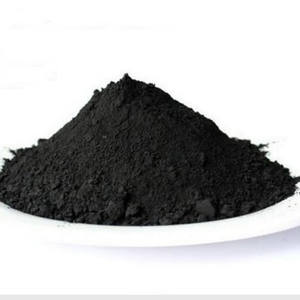
(Silicon Anode Materials SlO Materials With Different Capacity for Battery Production)
(Silicon Anode Materials SlO Materials With Different Capacity for Battery Production)
OMBA NUKUU
BIDHAA INAZOHUSIANA
Nano silicon anode TR-1
High Energy Density Silicon Carbon Anode Materials for Lithium-ion Battery Graphite Powder
Off Grid Solar Power Energy Panel 10000 Watt Solar System 10 KW Silicon Ordinary Customized Steel Acid Stainless Battery Time
High capacity high first efficiency silicon oxide SIO-C composite anode material for 3c digital battery EV battery
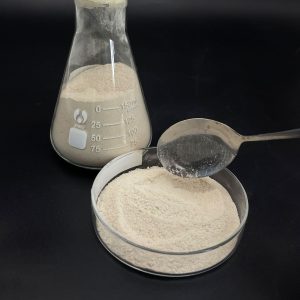
Anode Material for Li-ion Battery Silicon Coated Carbon Anode Silicon Graphite Powder
