Blogg

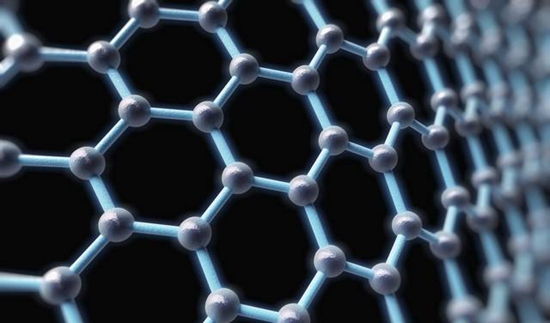
Grafenmaterialens utvecklingshistoria

(Grafenmaterialens utvecklingshistoria) I själva verket, graphene originally exists in nature, but it is difficult to peel off a single-layer structure. Graphene layers are stacked to form graphite, and 1…

Read More

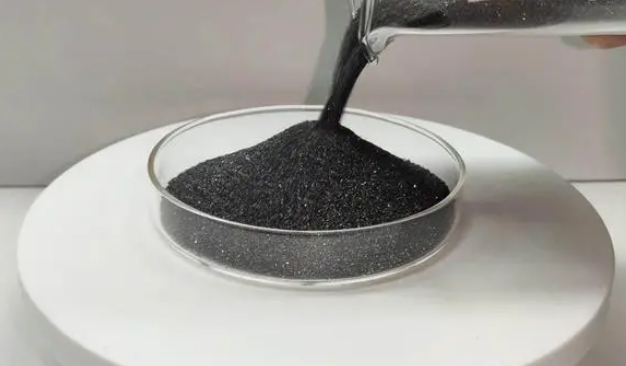
What is graphite?

(What is graphite?) Graphite material is mainly composed of polycrystalline graphite, which is an inorganic non-metallic material, but it is called semi-metal because of its good thermal and electrical conductivity. Graphite has…

Read More

What are the advantages of lithium-ion batteries?

(What are the advantages of lithium-ion batteries?) Compared with other high-energy secondary batteries such as Ni-Cd batteries, Ni-MH batteries, lead-acid batteries, lithium-ion batteries, lithium-ion batteries have significant performance advantages, which are mainly…

Read More

New method of graphene functionalization

(New method of graphene functionalization) Graphene has outstanding physical, optical and mechanical properties and has been used in transparent touch screens, aerospace and biomedical fields. Dock, graphene has relatively few uses in…

Read More

Vad är klassificeringen av grafit?

(Vad är klassificeringen av grafit?) 1. Natural graphite The process characteristics of graphite are mainly determined by its crystalline form. Graphite minerals with different crystalline forms have different industrial values and…

Read More

Six kinds of lithium battery anode materials

(Six kinds of lithium battery anode materials) För närvarande, negative electrode materials are mainly divided into two categories. One is carbon materials for commercial applications, such as natural graphite, soft carbon, etc.…

Read More

Anodmaterial för litiumbatteri standard

(Anodmaterial för litiumbatteri standard) Lithium-ion batteries have many advantages such as high energy density, lång livslängd, small self-discharge, no memory effect and environmental friendliness. They have been widely used in…

Read More