Alaab-qeybiye xirfadeed graphite, graphite ee EV, dufan, foornada iyo warshado kasta oo kale.

PARAMETERS ABUURKA
Sharaxaada
The parameters you mentioned seem to be related to the performance and properties of lithium-ion batteries, specifically their capacity, magnification, and composition.
(Lithium ion battery high capacity high magnification silicon carbon SI-C composite anode materials)
Overview of Lithium ion battery high capacity high magnification silicon carbon SI-C composite anode materials
Silicon anode material is a high-capacity alternative to traditional graphite anodes in lithium-ion batteries. Silikoon, with its significantly higher theoretical specific capacity (about 4200 mAh/g compared to graphite’s 372 mAh/g), promises to dramatically increase the energy density of batteries. This feature has made silicon anodes a focal point of research and development for next-generation batteries, particularly in applications requiring extended battery life or reduced weight, such as electric vehicles (EVs) and portable electronics.
Features of Lithium ion battery high capacity high magnification silicon carbon SI-C composite anode materials
High Lithium-Ion Capacity: Silicon can store much more lithium than graphite, theoretically resulting in substantial improvements in battery energy density.
Abundance and Sustainability: Silicon is the second most abundant element in the Earth’s crust, making it a readily available and sustainable option for battery production.
Low Reduction Potential: Facilitates efficient lithium insertion during battery charging.
Non-Toxic: Unlike some other high-capacity materials, silicon is non-toxic and environmentally friendly.
Challenges with Volume Expansion: Silicon experiences a volumetric expansion of up to 400% upon lithium absorption, leading to mechanical stress and potential electrode degradation.
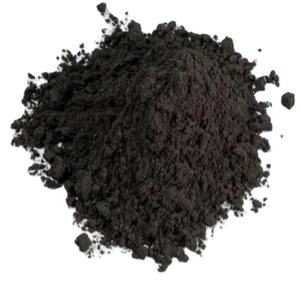
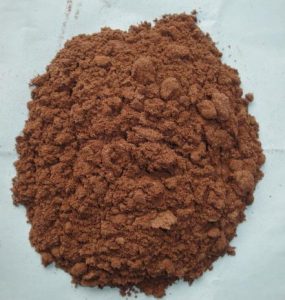
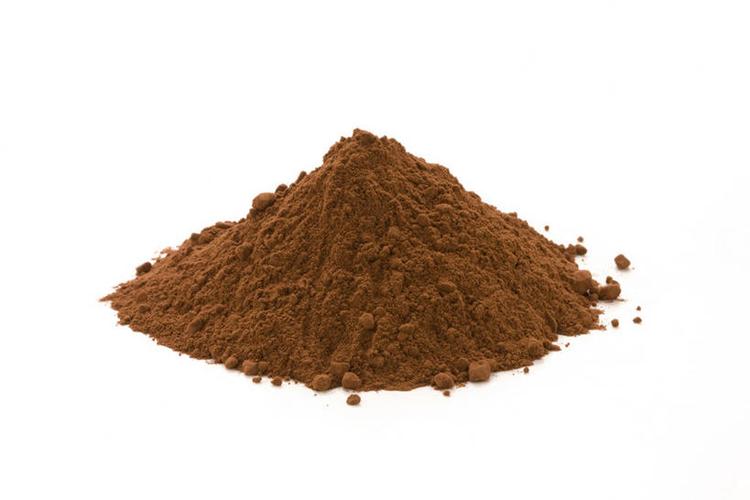
(Lithium ion battery high capacity high magnification silicon carbon SI-C composite anode materials)
Parameters of Lithium ion battery high capacity high magnification silicon carbon SI-C composite anode materials
The parameters you mentioned seem to be related to the performance and properties of lithium-ion batteries, specifically their capacity, magnification, and composition.
Lithium-ion batteries have a high capacity, meaning they can store a large amount of electricity and provide long-lasting power. This is achieved through several factors, including the use of advanced materials and manufacturing processes.
Silicon carbide (SiC) composite materials are used in lithium-ion batteries as an anode material due to their high melting point and electrical conductivity. They are often made by combining SiC powders with other materials such as polymer or carbon fibers.
There are also other parameters that are important for the performance of lithium-ion batteries, such as cell voltage, rate capability, and discharge capabilities. These are determined by various factors, including the chemistry of the battery, its design, and the specific conditions under which it is operated.
Overall, the specific parameters you mentioned are important factors that contribute to the overall performance and reliability of lithium-ion batteries.
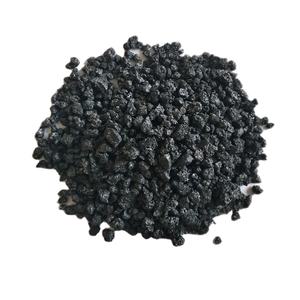
(Lithium ion battery high capacity high magnification silicon carbon SI-C composite anode materials)
Applications of Lithium ion battery high capacity high magnification silicon carbon SI-C composite anode materials
Electric Vehicles (EVs): Silicon anodes can significantly extend EV driving ranges by increasing battery energy density.
Consumer Electronics: Enhance battery life in smartphones, laptops, and wearables, enabling thinner devices or longer usage times.
Energy Storage Systems (ESS): Improve grid-scale energy storage efficiency and duration for renewable energy sources like solar and wind.
Aerospace: Enable lighter and more powerful batteries for unmanned aerial vehicles (UAVs) and satellites.
Xogta Shirkadda
Graphite-Corp is a trusted globalkiimiko material supplier & soo-saare leh waayo-aragnimo 12-sano ka badan si uu u bixiyo budada garaafyada tayada sare leh iyo alaabta graphene.
Shirkaddu waxay leedahay waax farsamo oo xirfad leh iyo Waaxda Kormeerka Tayada, shaybaar si fiican u qalabaysan, oo lagu qalabeeyay qalab tijaabo ah oo horumarsan iyo xarunta adeegga macaamiisha iibka kadib.
Haddii aad raadinayso budada graphite tayo sare leh iyo alaab qaraabo ah, fadlan xor u noqo inaad nala soo xidhiidho ama guji alaabta loo baahan yahay si aad u soo dirto weydiin.
Hababka Lacag-bixinta
L/C, T/T, Western Union, Paypal, Kaarka deynta iwm.
Raritaanka
Waxaa lagu soo rari karaa badda, hawo, ama u muuji ASAP sida ugu dhakhsaha badan ee dib u bixinta.
FAQs of Lithium ion battery high capacity high magnification silicon carbon SI-C composite anode materials
Q: Why isn’t silicon already widely used in commercial batteries if it has such high capacity?
A: Silicon’s massive volume expansion during charging leads to electrode degradation and reduced cycle life. Researchers are working on overcoming this issue through material engineering and design innovations.
Q: How do researchers address the issue of silicon’s volume expansion?
A: Strategies include using nanostructured silicon, creating silicon composites with carbon or other materials, and designing porous structures to accommodate expansion.
Q: Is Lithium ion battery high capacity high magnification silicon carbon SI-C composite anode materials more expensive than graphite ones?
A: Pure silicon is cheaper than graphite, but the processing and engineering required to make it viable as an anode material can increase costs. However, improvements in manufacturing processes are expected to lower costs over time.
Q: Does Lithium ion battery high capacity high magnification silicon carbon SI-C composite anode materials affect battery charging time?
A: Silicon anodes alone do not inherently affect charging speed, but battery design and the choice of other components can influence charging rates.
Q: What is the current status of silicon anode technology in commercial batteries?
A: Some manufacturers are already incorporating silicon into graphite anodes in a blended form to enhance capacity modestly, while others are developing pure silicon or silicon composite anodes for high-end applications. However, widespread commercialization of pure silicon anodes is still in progress as researchers work to improve cycle life and manufacturability.
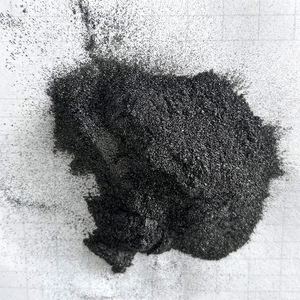
(Lithium ion battery high capacity high magnification silicon carbon SI-C composite anode materials)
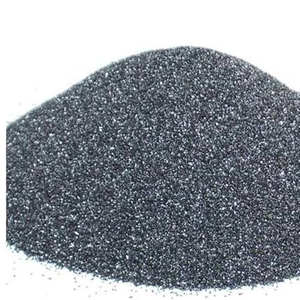
(Lithium ion battery high capacity high magnification silicon carbon SI-C composite anode materials)
CODSI XAQIIQO
Alaabooyinka LA XIRIIRA
Phenolic Resin coated Porous Silicon/carbon Microspheres Anode Materials for Lithium-ion Batteries
Lithium Battery Packing Polyester Film Tape Adhesive Powder Coating PCB Masking PET Silicone Green Tape

Lithium Battery Anode Material Carbon-coated Silicon Powder

Silicon carbon SI-C anode electrolyte for lithium ion battery production and lab research

Silicon-carbon materials possess high energy density, low expansion, and long cycle life, making them suitable for high-energy-density applications in solid-state, semi-solid-state, and liquid batteries.series-TRGT2000