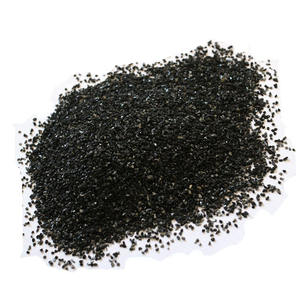
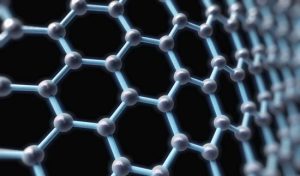
Alaab-qeybiye xirfadeed graphite, graphite ee EV, dufan, foornada iyo warshado kasta oo kale.


(Tiknoolajiyada baytariyada lithium)
1. What are the key technologies and innovations to improve the energy density of lithium batteries?
The improvement of energy density mainly depends on optimizing battery structure, improving positive and negative electrode materials, and applying lithium supplement technology.
Battery/module structure optimization: Optimization is vital in improving energy density. By changing the battery's shape, size and connection method, the volumetric energy density and weight energy density of the battery can be effectively improved. Tusaale ahaan, using a cylindrical battery design can make more efficient use of space and increase the battery's volumetric energy density. Intaa waxaa dheer, optimization of the module structure can also improve the energy density of the battery pack. Tusaale ahaan, adopting a more compact module structure can reduce the wasted space between cells in the module, thereby increasing the energy density of the battery pack.
Improvement of positive and negative electrode materials: The selection of high-capacity positive and negative electrode materials is the key to increasing energy density. With the continuous development of materials science, many new positive and negative electrode materials have emerged. Tusaale ahaan, ternary high-nickel cathode materials have a high energy density, good cycle performance, and high-temperature stability and have become one of the preferred cathode materials for power batteries. Silicon-carbon anode materials have high capacity and good cycle performance, which can effectively increase the energy density of batteries. Intaa waxaa dheer, the development and application of new materials, such as nanostructured and two-dimensional materials, also provide new ways to increase the energy density of batteries.
Negative electrode lithium supplementation technology: Negative electrode lithium supplementation usually uses metallic lithium, which can significantly improve energy density and cycle performance. Currently, commonly used negative electrode lithium supplementation processes include lithium foil supplementation, powder supplementation, chemical lithium supplementation, electrochemical lithiation, iwm. Among them, the lithium foil lithium replenishment process has been widely used. By depositing a layer of metallic lithium or lithium alloy on the surface of the negative electrode, the battery's energy density and cycle performance can be effectively improved.
Prelithiation technology: Prelithiation is a process that forms a stable layer of SEI (solid electrolyte interface) on the electrode surface, which can reduce or eliminate irreversible lithium loss formed by the SEI film, thereby improving the battery's energy density and cycle performance. Prelithiation technology can be applied to liquid batteries and solid-state batteries. For liquid batteries, lithiation can be achieved by adding propitiating agents or using electrochemical methods; for solid-state batteries, lithiation can be achieved by optimizing solid electrolyte materials and preparation processes.
All-solid-state lithium battery technology: All-solid-state lithium battery is a new type of battery technology. Its electrolyte is an amorphous solid, which can achieve higher energy density and better safety performance. All-solid-state lithium batteries have higher safety, cufnaanta tamarta, and charging speed than traditional liquid lithium batteries. Tusaale ahaan, all-solid-state lithium batteries using sulfide solid electrolytes have an energy density of up to 300Wh/kg and a cycle life of more than 1,000 times. Intaa waxaa dheer, all-solid-state lithium batteries also have the advantage of low safety risks, such as spontaneous combustion and explosion, making them a potential alternative in areas such as electric vehicles and wearable devices.
2. What is the development direction of fast-charging technology?
Increase charging speed
One of the development directions of fast charging technology is to increase charging speed. Hadda, the charging time of electric vehicles is long, which affects the user experience. Sidaa darteed, the development of faster charging technology is an urgent need in the market.
A new type of fast charging technology is direct current fast charging (DCFC). This technology uses direct current to charge the battery, which is fast and efficient. According to reports, DCFC charging piles with a maximum charging power of 300 kilowatts, which can fully charge electric vehicles in just a few minutes, have appeared.
Intaa waxaa dheer, alternating and direct current (AC) hybrid charging technology is also constantly developing. This technology combines the advantages of AC and DC charging and can better adapt to different charging scenarios and needs. Time-sharing charging technology is a solution for large-scale charging needs. Rationally allocating charging time and power can alleviate the pressure on the power grid and improve charging efficiency.
Reduce charging costs
In addition to increasing charging speed, reducing charging costs is also one of the development directions of fast charging technology. Currently, the construction and operation costs of electric vehicle charging equipment are relatively high, affecting the popularity and promotion of charging facilities. Sidaa darteed, the development of more economical and efficient charging technology is an urgent need in the market.
One way to reduce charging costs is to use advanced power electronics and efficient charging modes. Tusaale ahaan, optimizing charging control strategies and using advanced power electronic components can reduce the energy consumption and operating costs of charging equipment. Intaa waxaa dheer, using renewable energy sources such as solar energy and wind energy for charging can also reduce charging costs and benefit environmental protection and sustainable development.
Improve charging efficiency
Improving charging efficiency is another development direction of fast charging technology. The efficiency of electric vehicle charging needs to be improved, especially since the heat generated during the charging process will hurt battery performance. Sidaa darteed, the development of more efficient and safer charging technology is an urgent need in the market.
One way to improve charging efficiency is to use advanced battery technology and materials. Tusaale ahaan, a lithium-ion battery is a battery system with high energy density and long life, which can improve the battery's charge and discharge performance and life. Solid-state batteries have higher energy density and faster charge and discharge speeds and are expected to represent the next generation of battery technology. Intaa waxaa dheer, adopting advanced battery management systems and charging control strategies can further improve charging efficiency and safety.
High quality Natural Graphite for Lithium-ion Battery Anode Supplier
Graphite-crop corporate HQ, la aasaasay Oktoobar 17, 2008, waa shirkad tignoolajiyada sare leh oo ka go'an cilmi-baarista iyo horumarinta, wax soo saarka, farsamaynta, iibinta iyo adeegyada farsamada ee agabka anode batari lithium ion. In ka badan ka dib 10 sanado horumarineed, shirkadu waxay si tartiib tartiib ah u horumarisay qaab-dhismeedka alaabada kala duwan oo leh garaaf dabiici ah, garaafka macmalka ah, garaafka isku dhafan, wejiga dhexe iyo walxaha kale ee taban (walxaha kaarboonka silikon, iwm.). Alaabooyinka waxaa si weyn loogu isticmaalaa dhijitaalka lithium ion-dhamaadka sare, power and energy storage batteries.If you are looking for multi-walled carbon nanotubes,guji alaabta loo baahan yahay oo noo soo dir su'aal: sales@graphite-corp.com

(Tiknoolajiyada baytariyada lithium)