


Fa'apolofesa fa'atau meafaitino, graphite mo EV, ga'o, ogaumu ma so'o se isi lava alamanuia.

FA'AVAE FA'AVAE
Fa'amatalaga
Graphene magnetic conductive cloth is a type of fabric that is designed to be magnetic and conductive at the same time. It is made by combining graphene with other materials, such as metal or plastic, to create a composite material that has unique properties.
(Graphene magnetic conductive cloth Anti Static Radiation Conduction Fabric)
Overview of Graphene magnetic conductive cloth Anti Static Radiation Conduction Fabric
Graphene is a single layer of carbon atoms arranged in a hexagonal lattice, forming a two-dimensional material with remarkable properties. Na maua i totonu 2004, it has since captivated the scientific community and industry alike due to its unique combination of strength, conductivity, and flexibility. Graphene is essentially a single, flat sheet of graphite, the material found in pencil lead, but its properties are vastly different when isolated into a single atomic layer.
Features of Graphene magnetic conductive cloth Anti Static Radiation Conduction Fabric
Unmatched Strength: Graphene is the strongest known material, with a tensile strength of around 130 gigapascals, surpassing steel by a factor of over 100.
Extreme Flexibility: Despite its strength, graphene is highly flexible and can be bent, twisted, or rolled without breaking.
Exceptional Electrical Conductivity: It conducts electricity exceptionally well, with electrons moving at velocities approaching the speed of light, making it ideal for electronics.
Thermal Conductivity: Graphene is also an excellent thermal conductor, dispersing heat efficiently, useful in heat management applications.
Transparency: It is nearly transparent, absorbing only 2.3% of light, which, coupled with its conductivity, makes it suitable for transparent electrodes in displays.
Ole malosi ole kemisi: Graphene is highly resistant to corrosion and stable under a wide range of chemical conditions.

(Graphene magnetic conductive cloth Anti Static Radiation Conduction Fabric)
Parameter of Graphene magnetic conductive cloth Anti Static Radiation Conduction Fabric
Graphene magnetic conductive cloth is a type of fabric that is designed to be magnetic and conductive at the same time. It is made by combining graphene with other materials, such as metal or plastic, to create a composite material that has unique properties.
One important parameter that affects the performance of a graphene magnetic conductive cloth is its magnetic permeability. Magnetic permeability is a measure of how easily a conductor can transport magnetic field. In general, conductors with higher magnetic permeability will have better magnetic conductivity.
Another important parameter is the size and shape of the graphene particles used in the cloth. The smaller the particles, the more conductive they will be, but they may also be more fragile and prone to damage. Similarly, the shape of the particles can affect their behavior and efficiency as conductors.
In addition to these factors, there are also other parameters that can impact the performance of a graphene magnetic conductive cloth, such as the temperature and humidity of the environment it is being used in. High temperatures and high humidity can cause physical degradation of the material and reduce its effectiveness as a conductor.
Overall, the design and composition of a graphene magnetic conductive cloth will depend on a range of factors, including its intended use, the desired properties, and the specific conditions under which it will be employed. By carefully selecting and optimizing these factors, researchers and engineers can develop fabrics that have the right balance of conductivity, stability, and durability for various applications.
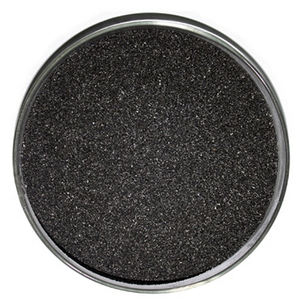
(Graphene magnetic conductive cloth Anti Static Radiation Conduction Fabric)
Applications of Graphene magnetic conductive cloth Anti Static Radiation Conduction Fabric
Fa'aeletonika: In transistors, touchscreens, and flexible electronics due to its conductivity and flexibility, potentially revolutionizing device design.
Malosiaga Teuina: As electrodes in batteries and supercapacitors, improving energy storage capacity and charging rates.
Sensors: High sensitivity and conductivity make graphene ideal for chemical and biological sensors.
Composites: Reinforcing materials like plastics, metals, and concrete to enhance strength and conductivity.
Water Filtration: Its atomically thin structure enables efficient filtration of contaminants, including salts, viruses, and bacteria.
Medicine: Potential uses include drug delivery systems and bio-sensors due to its biocompatibility and unique properties.
Fa'amatalaga a le Kamupani
O le Graphite-Corp ose fa'atau oloa vaila'au fa'alagolago i le lalolagi & gaosi oloa ma sili atu i le 12-tausaga le poto masani i le tuʻuina atu o le paʻu graphite sili ona maualuga ma oloa graphene.
O loʻo i ai i le kamupani se matagaluega faʻapitoa faʻapolofesa ma le Vaega o le Vaavaaiga Lelei, se falesuesue ua saunia lelei, ma faʻapipiʻiina i masini suʻesuʻe faʻapitoa ma le faʻatau atu o tagata faʻatau auaunaga.
Afai o loʻo e suʻeina se paʻu graphite maualuga ma oloa faʻatatau, faamolemole lagona le saoloto e faʻafesoʻotaʻi i matou pe kiliki i luga o oloa manaʻomia e lafo ai se suʻesuʻega.
Auala Totogi
L/C, T/T, Western Union, Paypal, Credit Card etc.
utaina
E mafai ona lafo i le sami, i le ea, po'o le fa'aalia ASAP i le taimi lava e toe totogi ai lisiti.
FAQs of Graphene magnetic conductive cloth Anti Static Radiation Conduction Fabric
Q: Is Graphene magnetic conductive cloth Anti Static Radiation Conduction Fabric safe for the environment and human health?
A: Research on the environmental and health impacts of graphene is ongoing. While graphene itself is considered relatively inert, concerns exist regarding the potential toxicity of graphene oxide and other derivatives, especially in aquatic ecosystems.
Q: How is Graphene magnetic conductive cloth Anti Static Radiation Conduction Fabric produced?
A: Graphene can be produced through several methods, including mechanical exfoliation (peeling layers off graphite using adhesive tape), chemical vapor deposition (CVD), and chemical reduction of graphene oxide.
Q: Why is Graphene magnetic conductive cloth Anti Static Radiation Conduction Fabric not yet widely used in commercial products?
A: Challenges in producing high-quality graphene at a scalable and cost-effective manner have hindered its widespread adoption. Additionally, integrating graphene into existing manufacturing processes requires further technological advancements.
Q: Can Graphene magnetic conductive cloth Anti Static Radiation Conduction Fabric be used to make stronger and lighter materials?
A: Absolutely, graphene’s addition to composite materials significantly improves their strength and stiffness while reducing weight, making them ideal for aerospace, ta'avale, ma mea tau taaloga.
Q: Does Graphene magnetic conductive cloth Anti Static Radiation Conduction Fabric have any limitations?
A: While graphene possesses outstanding properties, challenges remain in harnessing its full potential, such as achieving high-quality mass production, managing its tendency to restack in composites, and addressing potential health and environmental concerns.
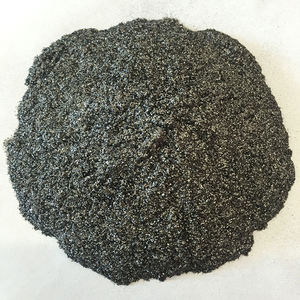
(Graphene magnetic conductive cloth Anti Static Radiation Conduction Fabric)
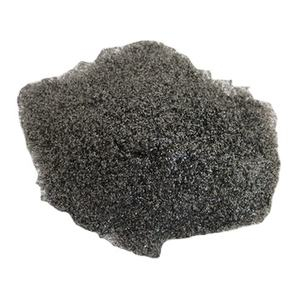
(Graphene magnetic conductive cloth Anti Static Radiation Conduction Fabric)
TALOSAGA O SE FAI
O MEA E FAI AI

New Inventions Whole High Quality Fiber Melt Brown Graphene For Fabric
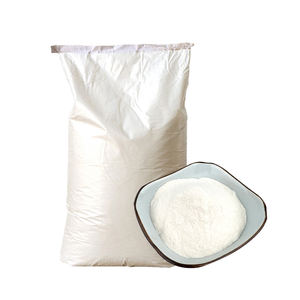
Molded Graphite graphene block
Hot ing graphene thin film flexible mini panel solar cell
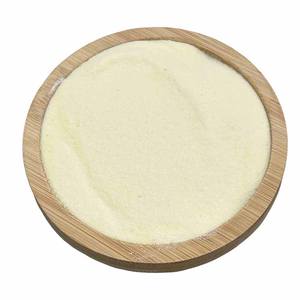
TOB High Quality Graphene Nano Powder s
Oem Source Factory ing 10h Nano Sio2 Bright Nano High Glossy Anti Scratch Glass Graphene Car Care Ceramic Coating
