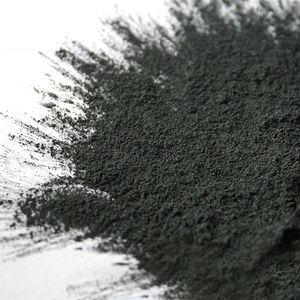
Furnizor profesional de material grafit, grafit pentru EV, unsoare, cuptor și orice alte industrii.

PARAMETRII PRODUSULUI
Descriere
The specific parameters that determine the high thermal conductivity and enhanced antistatic energy storage capacity of an energy material modified with carbon nanotubes can vary depending on the particular application and design considerations. Cu toate acestea, some common factors that may impact these parameters include:
(High thermal conductivity enhanced antistatic energy storage battery energy material modified carbon nanotubes)
Overview of High thermal conductivity enhanced antistatic energy storage battery energy material modified carbon nanotubes
Carbon nanotubes (CNTs) are cylindrical nanostructures consisting of a single sheet of rolled-up graphene, a two-dimensional lattice of carbon atoms. Descoperit în 1991, CNTs exhibit extraordinary properties due to their unique molecular structure, making them one of the most promising materials in nanotechnology. They can be single-walled (SWCNTs) or multi-walled (MWCNTs), differing in the number of concentric carbon layers.
Features of High thermal conductivity enhanced antistatic energy storage battery energy material modified carbon nanotubes
Exceptional Strength and Stiffness: CNTs are among the strongest and stiffest materials known, with tensile strengths up to 60 times greater than steel.
Lightweight: Despite their strength, CNTs are extremely lightweight, with a density close to that of graphite.
High Thermal and Electrical Conductivity: They can conduct heat and electricity far better than copper, silver, or gold, with electrons flowing freely along the tube’s length.
Inert chimic: CNTs are highly resistant to chemical reactions and corrosion, maintaining their properties in harsh environments.
Flexibility: They can be bent or twisted without breaking, displaying excellent flexibility alongside their strength.
Large Surface Area: CNTs have an incredibly high surface area to volume ratio, enhancing their effectiveness in adsorption and catalytic applications.
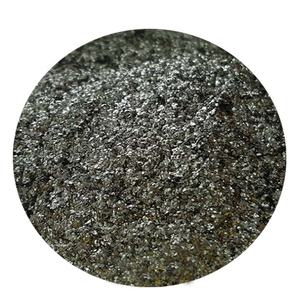
(High thermal conductivity enhanced antistatic energy storage battery energy material modified carbon nanotubes)
Parameter of High thermal conductivity enhanced antistatic energy storage battery energy material modified carbon nanotubes
The specific parameters that determine the high thermal conductivity and enhanced antistatic energy storage capacity of an energy material modified with carbon nanotubes can vary depending on the particular application and design considerations. Cu toate acestea, some common factors that may impact these parameters include:
* Nanotube diameter: The size of the carbon nanotubes can affect their electrical properties, including thermal conductivity and resistance.
* Material concentration: The concentration of carbon nanotubes in the energy material can influence its ability to enhance antistaticity and improve its overall performance.
* Chemical composition: The chemical composition of the energy material can also play a role in determining its thermal conductivity and other properties.
* Temperature and pressure: The temperature and pressure at which the energy material is exposed can affect its electrical properties and performance.
To optimize these parameters for a particular application, researchers may experiment with different concentrations of carbon nanotubes, compositions, and exposure conditions to find the optimal combination for given requirements. În plus, computational modeling and simulations can be used to predict and optimize the behavior of the energy material under different conditions.
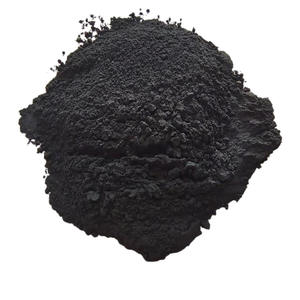
(High thermal conductivity enhanced antistatic energy storage battery energy material modified carbon nanotubes)
Applications of High thermal conductivity enhanced antistatic energy storage battery energy material modified carbon nanotubes
Electronice: Used in transistors, sensors, and displays due to their high conductivity and small size, potentially revolutionizing electronics miniaturization.
Composite Materials: Mixed with polymers to create lightweight, strong composites for aerospace, auto, și echipament sportiv.
Stocarea Energiei: In batteries and supercapacitors, CNTs improve energy storage capacity and charge/discharge rates.
Biomedical: As drug delivery vehicles, tissue engineering scaffolds, and in biomedical sensors due to their biocompatibility and unique transport properties.
Catalysts: Their large surface area makes CNTs efficient catalyst supports and catalysts themselves in various chemical reactions.
Environmental Remediation: Utilized for water purification and air filtration due to their adsorptive properties for contaminants.
Profilul Companiei
Graphite-Corp este un furnizor global de încredere de materiale chimice & producător cu peste 12 ani de experiență în furnizarea de pulbere de grafit și produse din grafen de calitate superioară.
Compania are un departament tehnic profesionist și un departament de supraveghere a calității, un laborator bine echipat, și echipat cu echipamente de testare avansate și centru de servicii pentru clienți post-vânzare.
Dacă sunteți în căutarea de pulbere de grafit de înaltă calitate și produse relative, nu ezitați să ne contactați sau să faceți clic pe produsele necesare pentru a trimite o întrebare.
Metode de plată
L/C, T/T, Western Union, Paypal, Card de credit etc.
Expediere
Poate fi expediat pe mare, pe calea aerului, sau prin dezvăluire cât mai curând posibil de îndată ce primirea rambursării.
FAQs of High thermal conductivity enhanced antistatic energy storage battery energy material modified carbon nanotubes
Q: Is High thermal conductivity enhanced antistatic energy storage battery energy material modified carbon nanotubes safe for human health and the environment?
O: Concerns have been raised about the potential toxicity of CNTs, particularly their respirable forms, which may resemble asbestos fibers. Research is ongoing to establish safe handling practices and assess long-term environmental impacts.
Q: How is High thermal conductivity enhanced antistatic energy storage battery energy material modified carbon nanotubes produced?
O: There are several methods to produce CNTs, including arc discharge, laser ablation, and chemical vapor deposition (CVD), with CVD being the most common for industrial-scale production.
Q: Can High thermal conductivity enhanced antistatic energy storage battery energy material modified carbon nanotubes be seen with the naked eye?
O: No, due to their nanoscale dimensions (typically 1-100 nanometers in diameter), CNTs are invisible to the naked eye and require electron microscopy for visualization.
Q: Is High thermal conductivity enhanced antistatic energy storage battery energy material modified carbon nanotubes expensive?
O: Historically, CNTs were very expensive due to complex synthesis processes. Cu toate acestea, advances in production methods have lowered costs, though they remain more expensive than many conventional materials.
Q: How does High thermal conductivity enhanced antistatic energy storage battery energy material modified carbon nanotubes compare to graphene?
O: Both are forms of carbon with exceptional properties, but graphene is a flat sheet while CNTs are tubes. Graphene offers superior in-plane conductivity, while CNTs excel in out-of-plane conductivity and have additional mechanical advantages due to their tubular structure.
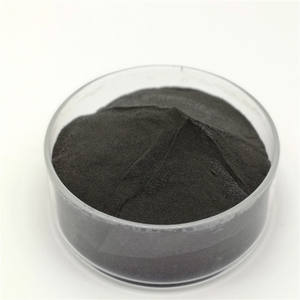
(High thermal conductivity enhanced antistatic energy storage battery energy material modified carbon nanotubes)
(High thermal conductivity enhanced antistatic energy storage battery energy material modified carbon nanotubes)
CERERE O CITATE
PRODUSE CONEXE
Diameter 5-15nm Hydroxyl Multi Walled Carbon Nanotubes Powder MWCNT with Length 10-30um

Sliding rapid thermal process RTP annealing system for graphene and carbon nanotube
High-quality carbon nanotubes Industrial-grade cost-effective CTN
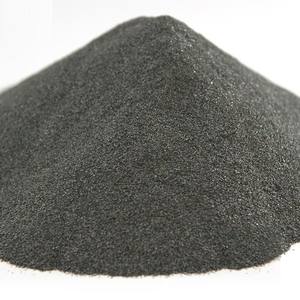
CARBON NANOTUBES CNT
telescopic fiberglass Carbon Fiber Tube tubing