


Proveedó profeshonal di material di grafit, grafito pa EV, greis, fornu i kualke otro industria.

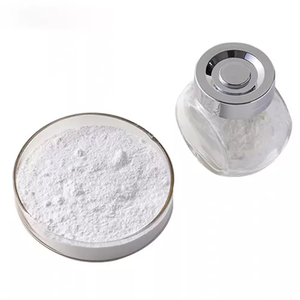
PARAMETRONAN DI PRODUKTO
Deskripshon
The parameter of LiSi lithium silicon alloy powder for thermal battery anode material mainly includes the melting point, melting intensity, hardness, porosity, etc., which are all important factors that affect the performance and durability of batteries.
(LiSi Lithium Silicon Alloy Powder For Thermal Battery Anode Material)
Overview of LiSi Lithium Silicon Alloy Powder For Thermal Battery Anode Material
Silicon anode material is a high-capacity alternative to traditional graphite anodes in lithium-ion batteries. Silikon, with its significantly higher theoretical specific capacity (about 4200 mAh/g compared to graphite’s 372 mAh/g), promises to dramatically increase the energy density of batteries. This feature has made silicon anodes a focal point of research and development for next-generation batteries, particularly in applications requiring extended battery life or reduced weight, such as electric vehicles (EVs) and portable electronics.
Features of LiSi Lithium Silicon Alloy Powder For Thermal Battery Anode Material
High Lithium-Ion Capacity: Silicon can store much more lithium than graphite, theoretically resulting in substantial improvements in battery energy density.
Abundance and Sustainability: Silicon is the second most abundant element in the Earth’s crust, making it a readily available and sustainable option for battery production.
Low Reduction Potential: Facilitates efficient lithium insertion during battery charging.
Non-Toxic: Unlike some other high-capacity materials, silicon is non-toxic and environmentally friendly.
Challenges with Volume Expansion: Silicon experiences a volumetric expansion of up to 400% upon lithium absorption, leading to mechanical stress and potential electrode degradation.

(LiSi Lithium Silicon Alloy Powder For Thermal Battery Anode Material)
Parameters of LiSi Lithium Silicon Alloy Powder For Thermal Battery Anode Material
The parameter of LiSi lithium silicon alloy powder for thermal battery anode material mainly includes the melting point, melting intensity, hardness, porosity, etc., which are all important factors that affect the performance and durability of batteries.
1. Melting Point: The melting point of LiSi lithium silicon alloy powder is influenced by its chemical composition and impurities. Generally speaking, the melting point of LiSi alloys increases as the amount of silicon and sulfur atoms increases.
2. Melting Intensity: The melting intensity of LiSi lithium silicon alloy powder determines the rate at which it solidifies under heat. The melting intensity is typically high when the temperature reaches 1500-2000°C.
3. Hardness: The hardness of LiSi lithium silicon alloy powder is related to its structure and composition. A harder alloy will have better wear resistance and fewer defects.
4. Porosity: Porosity refers to the degree of surface irregularities in the alloy powder. High porosity can lead to poor thermal conductivity and reduced energy density.
It’s worth noting that these parameters may vary depending on specific applications and requirements. Therefore, it’s important to carefully evaluate the specific needs of each application before selecting an appropriate LiSi lithium silicon alloy powder for thermal battery anode material.

(LiSi Lithium Silicon Alloy Powder For Thermal Battery Anode Material)
Applications of LiSi Lithium Silicon Alloy Powder For Thermal Battery Anode Material
Electric Vehicles (EVs): Silicon anodes can significantly extend EV driving ranges by increasing battery energy density.
Consumer Electronics: Enhance battery life in smartphones, laptops, and wearables, enabling thinner devices or longer usage times.
Energy Storage Systems (ESS): Improve grid-scale energy storage efficiency and duration for renewable energy sources like solar and wind.
Aerospace: Enable lighter and more powerful batteries for unmanned aerial vehicles (UAVs) and satellites.
Profil di e kompania
Graphite-Corp is a trusted globalchemical material supplier & fabrikante ku mas ku 12 aña di eksperensia den suministro di produktonan di polvo i grafeno di kalidat super haltu.
E kompania tin un departamentu tékniko profeshonal i un departamentu di supervishon di kalidat, un laboratorio bon ekipá, i ekipá ku ekipo di tèst avansá i sentro di servisio na kliente despues di benta.
Si bo ta buskando polvo di grafite di kalidat haltu i produktonan relativo, por fabor sinti bo liber pa tuma kontakto ku nos òf klik riba e produktonan nesesario pa manda un konsulta.
Métodonan di Pago
L/C, T/T, Western Union, Paypal, Tarheta di krédito etc.
Envio
E por wòrdu enviá via laman, pa aire, òf dor di revelá ASAP asina ku risibí e pago bèk.
FAQs of LiSi Lithium Silicon Alloy Powder For Thermal Battery Anode Material
P: Why isn’t silicon already widely used in commercial batteries if it has such high capacity?
UN: Silicon’s massive volume expansion during charging leads to electrode degradation and reduced cycle life. Researchers are working on overcoming this issue through material engineering and design innovations.
P: How do researchers address the issue of silicon’s volume expansion?
UN: Strategies include using nanostructured silicon, creating silicon composites with carbon or other materials, and designing porous structures to accommodate expansion.
P: Is LiSi Lithium Silicon Alloy Powder For Thermal Battery Anode Material more expensive than graphite ones?
UN: Pure silicon is cheaper than graphite, but the processing and engineering required to make it viable as an anode material can increase costs. Pero, improvements in manufacturing processes are expected to lower costs over time.
P: Does LiSi Lithium Silicon Alloy Powder For Thermal Battery Anode Material affect battery charging time?
UN: Silicon anodes alone do not inherently affect charging speed, but battery design and the choice of other components can influence charging rates.
P: What is the current status of silicon anode technology in commercial batteries?
UN: Some manufacturers are already incorporating silicon into graphite anodes in a blended form to enhance capacity modestly, while others are developing pure silicon or silicon composite anodes for high-end applications. Pero, widespread commercialization of pure silicon anodes is still in progress as researchers work to improve cycle life and manufacturability.

(LiSi Lithium Silicon Alloy Powder For Thermal Battery Anode Material)
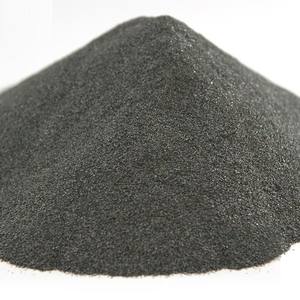
(LiSi Lithium Silicon Alloy Powder For Thermal Battery Anode Material)
PIDI UN SITA
PRODUKTONAN RELASHONÁ
High Quality Pure Micron Mesh Silicon Metal Powder for Welding Materials Battery Anode 99% 99.95%
Lithium Ion Battery Anode Silicon Based Materials Silicon Oxide SiOx SIO-C Composite Material
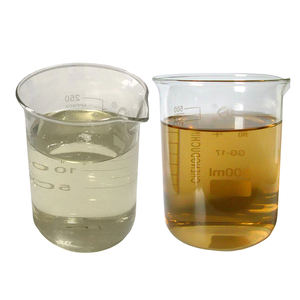
High Capacity SI-Anode Powder BSO-1 Silicon Anode SiOx for EV Lithium Ion Battery
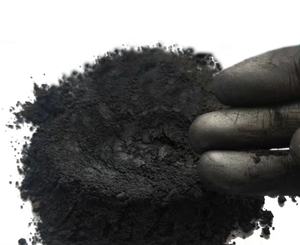
Silicon-carbon materials possess high energy density, low expansion, and long cycle life, making them suitable for high-energy-density applications in solid-state, semi-solid-state, and liquid batteries.series-TRGT800

New Si -C Anode Battery Raw Materials Silicon-based Anode Material for Lithium Battery
