


Cov kws tshaj lij graphite khoom siv, graphite rau EV, grease, cub thiab lwm yam kev lag luam.


KHOOM NTSUAS
Cov lus piav qhia
Graphene is a type of semiconductor material with unique properties that make it well-suited for use in developing new batteries. These properties include high conductivity and long range, which are important factors for the ability to charge or discharge electronic devices efficiently.
(Graphene for mobile battery usage)
Overview of Graphene for mobile battery usage
Graphene yog ib txheej txheej ntawm cov pa roj carbon atoms npaj rau hauv ib lub lattice hexagonal, Tsim cov khoom siv ob-seem nrog cov khoom zoo kawg nkaus. Tshawb pom hauv 2004, nws tau txij li ntawd los ntxias lub zej zog scientific thiab kev lag luam ib yam nkaus vim nws qhov kev sib xyaw ua ke tshwj xeeb ntawm lub zog, kev coj ua, thiab yoog raws. Graphene yog qhov tseem ceeb ib leeg, tiaj tus ntawv ntawm graphite, cov ntaub ntawv pom hauv xaum txhuas, but its properties are vastly different when isolated into a single atomic layer.
Features of Graphene for mobile battery usage
Unmatched Strength: Graphene is the strongest known material, with a tensile strength of around 130 gigapascals, surpassing steel by a factor of over 100.
Extreme Flexibility: Despite its strength, graphene is highly flexible and can be bent, twisted, or rolled without breaking.
Exceptional Electrical Conductivity: It conducts electricity exceptionally well, with electrons moving at velocities approaching the speed of light, making it ideal for electronics.
Thermal Conductivity: Graphene is also an excellent thermal conductor, dispersing heat efficiently, useful in heat management applications.
Transparency: It is nearly transparent, absorbing only 2.3% of light, which, coupled with its conductivity, makes it suitable for transparent electrodes in displays.
Chemically Inert: Graphene yog heev resistant rau corrosion thiab ruaj khov nyob rau hauv ib tug ntau yam ntawm cov tshuaj mob.

(Graphene for mobile battery usage)
Parameter of Graphene for mobile battery usage
Graphene is a type of semiconductor material with unique properties that make it well-suited for use in developing new batteries. These properties include high conductivity and long range, which are important factors for the ability to charge or discharge electronic devices efficiently.
One of the main benefits of using graphene as a battery material is its ability to absorb a significant amount of energy during charging. This allows a device to hold an charge for longer periods without needing to be replaced. Tsis tas li ntawd, graphene has the potential to reduce the cost of batteries by reducing the need for the development of specialized materials and processes.
Another benefit of using graphene in battery technology is its ability to maintain its structure even over time. The physical shape of graphene makes it resistant to external stress and damage, which can help prevent breakdowns and improve its lifespan. Tsis tas li ntawd, graphene’s flexibility makes it easy to incorporate into the battery design, making it more convenient and cost-effective to develop.
Overall, graphene is a promising material for the development of new battery technologies due to its high performance, long range capabilities, and ease of integration into existing designs. Txawm li cas los xij,, there are still several challenges to overcome before it can be widely used in the automotive, aerospace, and other industries where high energy efficiency is critical.
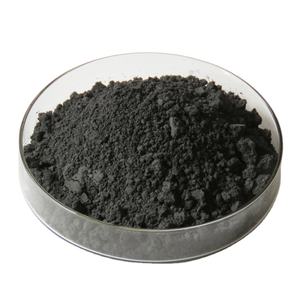
(Graphene for mobile battery usage)
Applications of Graphene for mobile battery usage
Electronics: In transistors, touchscreens, and flexible electronics due to its conductivity and flexibility, potentially revolutionizing device design.
Energy Storage: As electrodes in batteries and supercapacitors, improving energy storage capacity and charging rates.
Sensors: High sensitivity and conductivity make graphene ideal for chemical and biological sensors.
Composites: Reinforcing materials like plastics, metals, and concrete to enhance strength and conductivity.
Water Filtration: Its atomically thin structure enables efficient filtration of contaminants, including salts, viruses, thiab cov kab mob.
Tshuaj: Cov kev siv muaj peev xwm suav nrog cov tshuab xa tshuaj thiab biosensors vim nws cov biocompatibility thiab cov khoom tshwj xeeb.
Lub Tuam Txhab Profile
Graphite-Corp yog tus neeg muag khoom thoob ntiaj teb ntseeg siab ntawm cov khoom siv tshuaj & chaw tsim tshuaj paus nrog ntau tshaj 12 xyoo kev paub muab cov khoom lag luam zoo graphite hmoov thiab graphene cov khoom lag luam.
Lub tuam txhab muaj lub tuam tsev tshaj lij thev naus laus zis thiab Lub Tsev Haujlwm Saib Xyuas Kev Zoo, chav kuaj muaj cuab yeej zoo, thiab tau nruab nrog cov khoom siv kuaj siab thiab lub chaw pabcuam cov neeg siv khoom.
Yog tias koj tab tom nrhiav rau cov hmoov graphite zoo thiab cov khoom lag luam cuam tshuam, thov koj xav tiv tauj peb lossis nyem rau ntawm cov khoom koj xav tau xa cov lus nug.
Txoj Kev Them Nyiaj
L / C, T / T, Western Union, PayPal, Credit Card, thiab lwm yam.
Kev xa khoom
Nws tuaj yeem xa los ntawm hiav txwv, los ntawm huab cua, los yog npaj ASAP thaum tau txais kev them nyiaj.
FAQs of Graphene for mobile battery usage
Q: Is Graphene for mobile battery usage safe for the environment and human health?
A: Research on the environmental and health impacts of graphene is ongoing. While graphene itself is considered relatively inert, concerns exist regarding the potential toxicity of graphene oxide and other derivatives, especially in aquatic ecosystems.
Q: How is Graphene for mobile battery usage produced?
A: Graphene can be produced through several methods, including mechanical exfoliation (peeling layers off graphite using adhesive tape), chemical vapor deposition (CVD), and chemical reduction of graphene oxide.
Q: Why is Graphene for mobile battery usage not yet widely used in commercial products?
A: Cov kev sib tw hauv kev tsim cov graphene zoo hauv txoj kev scalable thiab raug nqi tau cuam tshuam nws txoj kev saws me nyuam dav dav.. Tsis tas li ntawd, Kev sib koom ua ke graphene rau hauv cov txheej txheem tsim khoom uas twb muaj lawm yuav tsum muaj kev siv thev naus laus zis ntxiv.
Q: Can Graphene for mobile battery usage be used to make stronger and lighter materials?
A: Kiag li, Ntxiv graphene rau cov khoom siv sib xyaw ua ke zoo txhim kho lawv lub zog thiab txhav thaum txo qhov hnyav, ua rau lawv zoo tagnrho rau aerospace, tsheb, thiab cov khoom siv kis las.
Q: Does Graphene for mobile battery usage have any limitations?
A: Thaum graphene muaj cov khoom zoo tshaj plaws, cov nyom tseem nyob hauv kev siv tag nrho nws lub peev xwm, xws li ua tiav cov khoom lag luam zoo, thiab tswj nws txoj kev nyiam rov ua dua hauv cov khoom sib xyaw, and addressing potential health and environmental concerns.

(Graphene for mobile battery usage)
(Graphene for mobile battery usage)
THOV IB NQE LUS
RELATED PRODUCTS

OEM Whole Far Infrared Electric Carbon Warm Floor Heating Carpet Graphene Yoga Mat Washable Foot Warmer Rug

Hot ing New Original Car Care Products Graphene Coating Car Body Protector 9h Ceramic Coating

Low Men Underwear Graphene Anti Bacterial Crotch Cotton Mens Boxer Briefs
High Performance Artificial carbon Graphene For Smartphone Heat Dissipation

Korea Best Quality Floor Heating Element RexVa XICA Graphene Heating Film Savings on Heating Costs Semi-Permanent
