Pembekal bahan grafit profesional, grafit untuk EV, gris, relau dan mana-mana industri lain.

PARAMETER PRODUK
Penerangan
The “multi-walled carbon nanotubes (MWCNTs)” refers to the formation of multiple layers of carbon nanotubes within a single polymer matrix. The length and diameter of the MWCNTs vary depending on the specific synthesis method used, but typically, they range from 10-50 nm in length and have diameters between 3-20 nm.
(Multi walled carbon nanotube MWCNT )
Overview of Multi walled carbon nanotube MWCNT
Carbon nanotubes (CNTs) are cylindrical nanostructures consisting of a single sheet of rolled-up graphene, a two-dimensional lattice of carbon atoms. Ditemui di 1991, CNTs exhibit extraordinary properties due to their unique molecular structure, making them one of the most promising materials in nanotechnology. They can be single-walled (SWCNTs) or multi-walled (MWCNTs), differing in the number of concentric carbon layers.
Features of Multi walled carbon nanotube MWCNT
Exceptional Strength and Stiffness: CNTs are among the strongest and stiffest materials known, with tensile strengths up to 60 times greater than steel.
Lightweight: Despite their strength, CNTs are extremely lightweight, with a density close to that of graphite.
High Thermal and Electrical Conductivity: They can conduct heat and electricity far better than copper, silver, or gold, with electrons flowing freely along the tube’s length.
Lengai secara kimia: CNTs are highly resistant to chemical reactions and corrosion, maintaining their properties in harsh environments.
Flexibility: They can be bent or twisted without breaking, displaying excellent flexibility alongside their strength.
Large Surface Area: CNTs have an incredibly high surface area to volume ratio, enhancing their effectiveness in adsorption and catalytic applications.
(Multi walled carbon nanotube MWCNT )
Parameter of Multi walled carbon nanotube MWCNT
The “multi-walled carbon nanotubes (MWCNTs)” refers to the formation of multiple layers of carbon nanotubes within a single polymer matrix. The length and diameter of the MWCNTs vary depending on the specific synthesis method used, but typically, they range from 10-50 nm in length and have diameters between 3-20 nm.
The size and properties of MWCNTs can be influenced by several parameters, including:
* Synthesis method: The choice of method for synthesizing MWCNTs can affect their physical properties, such as chirality, porosity, and mechanical strength. Contohnya, techniques such as chemical vapor deposition (CVD), electrospinning, or solution casting can produce MWCNTs with different characteristics.
* Material composition: The type of polymer used to encapsulate the MWCNTs can also impact their properties. Contohnya, polymers containing various functional groups, such as hydrophobic or hydrophilic surfaces, can influence the interaction between the MWCNTs and surrounding molecules.
* Growth conditions: The growth conditions, such as temperature, pressure, and solvent concentration, can also affect the size and properties of MWCNTs. Contohnya, high temperatures or long residence times at high pressures can cause the MWCNTs to grow larger and more extended.
Keseluruhannya, understanding the parameters that control the size and properties of multi-walled carbon nanotubes is an active area of research in materials science, and there is ongoing efforts to optimize the synthesis methods, material compositions, and growth conditions for this important class of nanomaterials.
(Multi walled carbon nanotube MWCNT )
Applications of Multi walled carbon nanotube MWCNT
elektronik: Used in transistors, sensors, and displays due to their high conductivity and small size, potentially revolutionizing electronics miniaturization.
Composite Materials: Mixed with polymers to create lightweight, strong composites for aerospace, automotif, dan peralatan sukan.
Penyimpanan Tenaga: In batteries and supercapacitors, CNTs improve energy storage capacity and charge/discharge rates.
Biomedical: As drug delivery vehicles, tissue engineering scaffolds, and in biomedical sensors due to their biocompatibility and unique transport properties.
Catalysts: Their large surface area makes CNTs efficient catalyst supports and catalysts themselves in various chemical reactions.
Environmental Remediation: Utilized for water purification and air filtration due to their adsorptive properties for contaminants.
Profil Syarikat
Graphite-Corp ialah pembekal bahan kimia global yang dipercayai & pengilang dengan pengalaman lebih 12 tahun dalam menyediakan produk serbuk grafit dan graphene super berkualiti tinggi.
Syarikat ini mempunyai jabatan teknikal profesional dan Jabatan Penyeliaan Kualiti, makmal yang serba lengkap, dan dilengkapi dengan peralatan ujian termaju dan pusat khidmat pelanggan selepas jualan.
Jika anda sedang mencari serbuk grafit berkualiti tinggi dan produk relatif, sila hubungi kami atau klik pada produk yang diperlukan untuk menghantar pertanyaan.
Kaedah Pembayaran
L/C, T/T, Western Union, Paypal, Kad Kredit dll.
Penghantaran
Ia boleh dihantar melalui laut, melalui udara, atau dengan mendedahkan ASAP sebaik sahaja resit pembayaran balik.
FAQs of Multi walled carbon nanotube MWCNT
Q: Is Multi walled carbon nanotube MWCNT safe for human health and the environment?
A: Concerns have been raised about the potential toxicity of CNTs, particularly their respirable forms, which may resemble asbestos fibers. Research is ongoing to establish safe handling practices and assess long-term environmental impacts.
Q: How is Multi walled carbon nanotube MWCNT produced?
A: There are several methods to produce CNTs, including arc discharge, laser ablation, and chemical vapor deposition (CVD), with CVD being the most common for industrial-scale production.
Q: Can Multi walled carbon nanotube MWCNT be seen with the naked eye?
A: No, due to their nanoscale dimensions (typically 1-100 nanometers in diameter), CNTs are invisible to the naked eye and require electron microscopy for visualization.
Q: Is Multi walled carbon nanotube MWCNT expensive?
A: Historically, CNTs were very expensive due to complex synthesis processes. Namun begitu, advances in production methods have lowered costs, though they remain more expensive than many conventional materials.
Q: How does Multi walled carbon nanotube MWCNT compare to graphene?
A: Both are forms of carbon with exceptional properties, but graphene is a flat sheet while CNTs are tubes. Graphene offers superior in-plane conductivity, while CNTs excel in out-of-plane conductivity and have additional mechanical advantages due to their tubular structure.
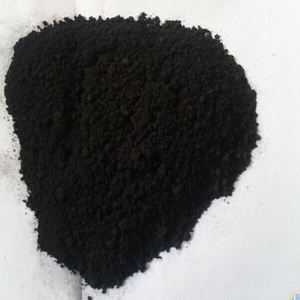
(Multi walled carbon nanotube MWCNT )
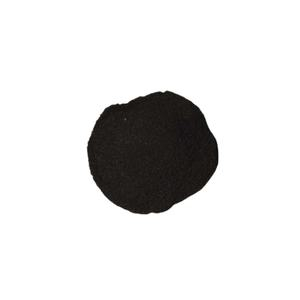
(Multi walled carbon nanotube MWCNT )
MINTA SEBUT HARGA
PRODUK BERKAITAN
Fiber cluster carbon nanotubes with high pressure resistance and high thermal conductivity for glass rubber
Oval D-shaped 3k Twill Carbon Fiber Tube Airfoil Streamline 1000mm
17*20*1000MM 3K Carbon Fiber Tube Twill Matte Carbon Tube Drone Tube
‘s direct-ing PU non-woven fabric graphene carbon film TENS Electrodes Carbon Film
Carbon fiber tube with filament winding process towpreg