


Profesionāls grafīta materiālu piegādātājs, grafīts EV, smērvielu, krāsnis un citas nozares.

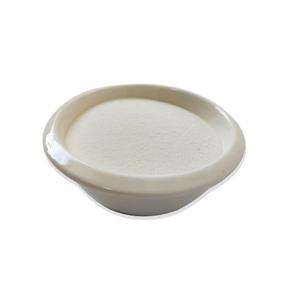
PRODUKTA PARAMETRI
Apraksts
Graphene coating is often used in windshields to improve their resistance to water penetration and corrosion. Here are some parameters that can be included in the graphene-coating formula:
(Graphene Coating for Superhydrophobic Windshield, Glass and Mirrors Protection)
Overview of Graphene Coating for Superhydrophobic Windshield, Glass and Mirrors Protection
Graphene is a single layer of carbon atoms arranged in a hexagonal lattice, forming a two-dimensional material with remarkable properties. Atklāts gadā 2004, it has since captivated the scientific community and industry alike due to its unique combination of strength, conductivity, and flexibility. Graphene is essentially a single, flat sheet of graphite, the material found in pencil lead, but its properties are vastly different when isolated into a single atomic layer.
Features of Graphene Coating for Superhydrophobic Windshield, Glass and Mirrors Protection
Unmatched Strength: Graphene is the strongest known material, with a tensile strength of around 130 gigapascals, surpassing steel by a factor of over 100.
Extreme Flexibility: Despite its strength, graphene is highly flexible and can be bent, twisted, or rolled without breaking.
Exceptional Electrical Conductivity: It conducts electricity exceptionally well, with electrons moving at velocities approaching the speed of light, making it ideal for electronics.
Thermal Conductivity: Graphene is also an excellent thermal conductor, dispersing heat efficiently, useful in heat management applications.
Transparency: It is nearly transparent, absorbing only 2.3% of light, which, coupled with its conductivity, makes it suitable for transparent electrodes in displays.
Ķīmiski inerts: Graphene is highly resistant to corrosion and stable under a wide range of chemical conditions.

(Graphene Coating for Superhydrophobic Windshield, Glass and Mirrors Protection)
Parameter of Graphene Coating for Superhydrophobic Windshield, Glass and Mirrors Protection
Graphene coating is often used in windshields to improve their resistance to water penetration and corrosion. Here are some parameters that can be included in the graphene-coating formula:
1. Anti-precipitation: The formula should include the amount of calcium chloride (CaCl2) that needs to be applied to ensure proper absorption by the surface.
2. Contact time: This parameter refers to how long the coated surface needs to be able to absorb and disperse the CaCl2. A longer contact time will increase the chances of successfully absorbing and dissipating the on the surface.
3. Water drop size: The appropriate water droplet size depends on the type of base material used in the coating. A larger droplet will cause more wear and tear on the surface, while a smaller droplet will result in less wear.
4. Effective heat removal: To achieve effective heat removal from the coating, it must be high enough to penetrate the and cool down the surface.
5. Visibility: The visible light that reflects off the coating should not block the wind’s path. A highVisiblity coating may not provide good protection against the harshness of the wind.
6. Corrosion resistance: To prevent scratches or other types of damage to the vehicle’s interior, it must have high resistivity to corrosion.
Overall, the choice of parameters will depend on the specific application and requirements of the superhydrophobic windshield.
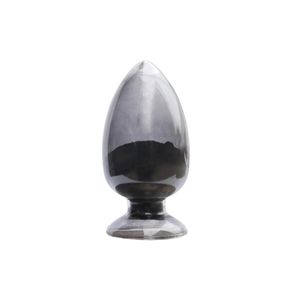
(Graphene Coating for Superhydrophobic Windshield, Glass and Mirrors Protection)
Applications of Graphene Coating for Superhydrophobic Windshield, Glass and Mirrors Protection
Elektronika: In transistors, touchscreens, and flexible electronics due to its conductivity and flexibility, potentially revolutionizing device design.
Enerģijas uzglabāšana: As electrodes in batteries and supercapacitors, improving energy storage capacity and charging rates.
Sensors: High sensitivity and conductivity make graphene ideal for chemical and biological sensors.
Composites: Reinforcing materials like plastics, metals, and concrete to enhance strength and conductivity.
Water Filtration: Its atomically thin structure enables efficient filtration of contaminants, including salts, viruses, and bacteria.
Medicine: Potential uses include drug delivery systems and bio-sensors due to its biocompatibility and unique properties.
Uzņēmuma profils
Graphite-Corp ir uzticams globāls ķīmisko materiālu piegādātājs & ražotājs ar vairāk nekā 12 gadu pieredzi īpaši augstas kvalitātes grafīta pulvera un grafēna izstrādājumu nodrošināšanā.
Uzņēmumam ir profesionāla tehniskā nodaļa un Kvalitātes uzraudzības nodaļa, labi aprīkota laboratorija, un aprīkots ar modernu testēšanas aprīkojumu un pēcpārdošanas klientu apkalpošanas centru.
Ja meklējat augstas kvalitātes grafīta pulveri un līdzīgus produktus, lūdzu, sazinieties ar mums vai noklikšķiniet uz nepieciešamajiem produktiem, lai nosūtītu pieprasījumu.
Maksājumu veidi
L/C, T/T, Western Union, Paypal, Kredītkarte utt.
Sūtījums
To varētu nosūtīt pa jūru, pa gaisu, vai atklāt pēc iespējas ātrāk pēc atmaksas saņemšanas.
FAQs of Graphene Coating for Superhydrophobic Windshield, Glass and Mirrors Protection
J: Is Graphene Coating for Superhydrophobic Windshield, Glass and Mirrors Protection safe for the environment and human health?
A: Research on the environmental and health impacts of graphene is ongoing. While graphene itself is considered relatively inert, concerns exist regarding the potential toxicity of graphene oxide and other derivatives, especially in aquatic ecosystems.
J: How is Graphene Coating for Superhydrophobic Windshield, Glass and Mirrors Protection produced?
A: Graphene can be produced through several methods, including mechanical exfoliation (peeling layers off graphite using adhesive tape), chemical vapor deposition (CVD), and chemical reduction of graphene oxide.
J: Why is Graphene Coating for Superhydrophobic Windshield, Glass and Mirrors Protection not yet widely used in commercial products?
A: Challenges in producing high-quality graphene at a scalable and cost-effective manner have hindered its widespread adoption. Turklāt, integrating graphene into existing manufacturing processes requires further technological advancements.
J: Can Graphene Coating for Superhydrophobic Windshield, Glass and Mirrors Protection be used to make stronger and lighter materials?
A: Absolutely, graphene’s addition to composite materials significantly improves their strength and stiffness while reducing weight, making them ideal for aerospace, automobiļu rūpniecība, un sporta inventārs.
J: Does Graphene Coating for Superhydrophobic Windshield, Glass and Mirrors Protection have any limitations?
A: While graphene possesses outstanding properties, challenges remain in harnessing its full potential, such as achieving high-quality mass production, managing its tendency to restack in composites, and addressing potential health and environmental concerns.
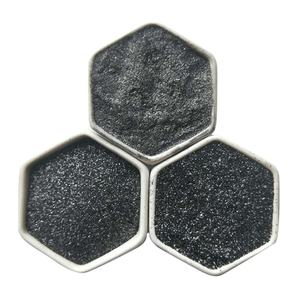
(Graphene Coating for Superhydrophobic Windshield, Glass and Mirrors Protection)
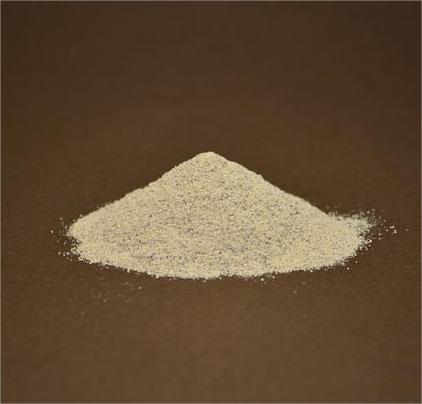
(Graphene Coating for Superhydrophobic Windshield, Glass and Mirrors Protection)
PASŪTĪT CĒNĀJUMU
SAISTĪTIE PRODUKTI
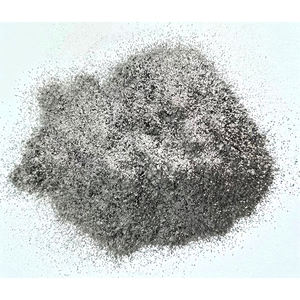
High Carbon Content 97%-99% Artificial Graphite 200 Mesh For Graphene/Battery
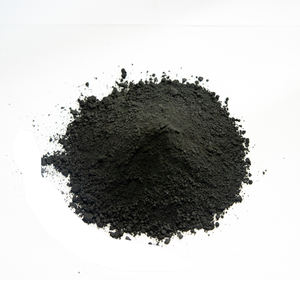
High Quality Safe and ECO Friendly Far Infrared Underfloor Graphene Electric Heating Reflective Film
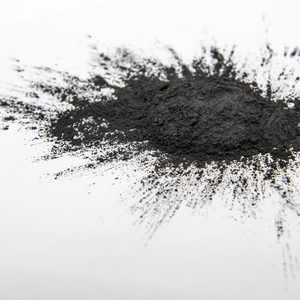
Top ing Best Quality Graphene Based Ceramic Nano Coating Buy From The

DEBOOM energetic graphene Improving engine performance Graphene engine oil additive for car
Outdoor Lightweight Graphene Electric Blanket 5V USB Charging Washable Graphene Electric Heating Blanket
