


Berufflech GRAPHITE Material Fournisseur, grafit fir EV, schmieren, Uewen an all aner Industrien.


PRODUIT PARAMETER
Beschreiwung
The use of carbon nanotubes in reinforced polymer, aluminum, copper, and rubber materials involves several parameters that need to be considered. Some of these parameters include:
(Carbon Nanotubes for Reinforced polymer, aluminium, copper, and rubber materials)
Overview of Carbon Nanotubes for Reinforced polymer, aluminium, copper, and rubber materials
Kuelestoff Nanotubes (CNTs) sinn zylindresch Nanostrukturen, déi aus engem eenzege Blat aus opgerullten Grafen besteet, eng zweedimensional Gitter vu Kuelestoffatome. Entdeckt an 1991, CNTs weisen aussergewéinlech Eegeschafte wéinst hirer eenzegaarteger molekulare Struktur, mécht se ee vun de villverspriechendste Materialien an der Nanotechnologie. Si kënnen eenzel Mauer sinn (SWCNTs) oder multi-walled (MWCNTs), ënnerscheeden an der Unzuel vun konzentresche Kuelestoffschichten.
Features of Carbon Nanotubes for Reinforced polymer, aluminium, copper, and rubber materials
Aussergewéinlech Kraaft a Steifheit: CNTs gehéieren zu de stäerkste a steifste Materialien déi bekannt sinn, mat trekkraften bis zu 60 mol méi grouss wéi Stol.
Liichtgewiicht: Trotz hirer Kraaft, CNTs sinn extrem liicht, mat enger Dicht no bei där vum Grafit.
Héich thermesch an elektresch Konduktivitéit: Si kënnen Hëtzt a Stroum vill besser wéi Kupfer féieren, Sëlwer, oder Gold, mat Elektronen déi fräi laanscht d'Längt vum Röhre fléissen.
Chemesch Inert: CNTs sinn héich resistent géint chemesch Reaktiounen a Korrosioun, hir Eegeschaften an haarden Ëmfeld erhalen.
Flexibilitéit: Si kënne gebéit oder verdreift ginn ouni ze briechen, déi exzellent Flexibilitéit niewent hirer Kraaft weisen.
Grouss Fläch: CNTs hunn en onheemlech héich Fläch a Volumen Verhältnis, hir Effizienz an der Adsorptioun an der katalytescher Applikatioun verbesseren.
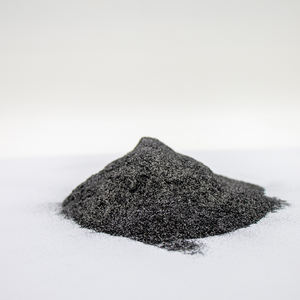
(Carbon Nanotubes for Reinforced polymer, aluminium, copper, and rubber materials)
Parameter of Carbon Nanotubes for Reinforced polymer, aluminium, copper, and rubber materials
The use of carbon nanotubes in reinforced polymer, aluminum, copper, and rubber materials involves several parameters that need to be considered. Some of these parameters include:
1. Carbon concentration: The concentration of carbon in the nanotubes determines their size and shape, as well as their mechanical properties.
2. Tensile strength: The tensile strength of the nanotube-reinforced material is influenced by its carbon content, as well as the cross-sectional area of the nanotubes.
3. Flexure strength: The flexure strength of the nanotube-reinforced material is also influenced by its carbon content, as well as the cross-sectional area of the nanotubes.
4. Density: The density of the nanotube-reinforced material affects its thermal stability and storage performance.
5. Adhesion properties: The adhesion properties of the nanotube-reinforced material depend on the interaction between the carbon nanotubes and the host polymer matrix.
6. Manufacturing process: The manufacturing process used to produce the nanotube-reinforced material can affect its quality and performance.
It’s important to note that these parameters may vary depending on the specific application and desired characteristics of the reinforcement material. Therefore, it’s recommended to conduct extensive experimentation and testing to determine the most appropriate values for each parameter.
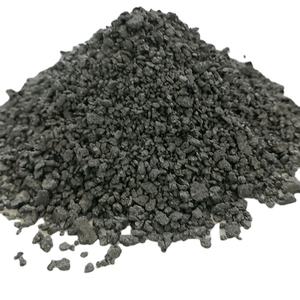
(Carbon Nanotubes for Reinforced polymer, aluminium, copper, and rubber materials)
Applications of Carbon Nanotubes for Reinforced polymer, aluminium, copper, and rubber materials
Elektronik: Benotzt an Transistoren, Sensoren, a weist wéinst hirer héijer Konduktivitéit a klenger Gréisst, potenziell revolutionéiert Elektronik Miniaturiséierung.
Komposit Materialien: Gemëscht mat Polymere fir e Liichtgewiicht ze kreéieren, staark Komposit fir Loftfaart, automobile, a Sport Equipement.
Energie Stockage: An Akkuen an supercapacitors, CNTs verbesseren d'Energiespeicherkapazitéit an d'Lade- / Entladungsraten.
Biomedizinesch: Als Drogen Liwwerung Gefierer, Tissue Engineering Scaffolds, an a biomedizinesche Sensoren wéinst hirer Biokompatibilitéit an eenzegaartegen Transporteigenschaften.
Katalysatoren: Hir grouss Uewerfläch mécht CNTs effikass Katalysator ënnerstëtzt a Katalysatoren selwer a verschiddene chemesche Reaktioune.
Ëmweltsanéierung: Benotzt fir Waasserreinigung a Loftfiltratioun wéinst hiren adsorptiven Eegeschafte fir Verschmotzung.
Firma Profil
Graphite-Corp ass e vertrauenswürdege globalen chemesche Material Fournisseur & Fabrikant beschwéiert mat iwwer 12-Joer Erfarung fir super héichqualitativ Graphitpulver a Graphenprodukter ze liwweren.
D'Firma huet eng professionell technesch Departement a Qualitéit Supervisioun Departement, engem gutt equipéiert Labo, and equipped with advanced testing equipment and after-sales customer service center.
If you are looking for high-quality graphite powder and relative products, please feel free to contact us or click on the needed products to send an inquiry.
Payment Methods
L/C, T/T, Western Union, Paypal, Credit Card etc.
Shipment
It could be shipped by sea, by air, or by reveal ASAP as soon as repayment receipt.
FAQs of Carbon Nanotubes for Reinforced polymer, aluminium, copper, and rubber materials
Q: Is Carbon Nanotubes for Reinforced polymer, aluminium, copper, and rubber materials safe for human health and the environment?
A: Concerns have been raised about the potential toxicity of CNTs, particularly their respirable forms, which may resemble asbestos fibers. Fuerschung ass lafend fir sécher Handhabungspraktiken z'etabléieren a laangfristeg Ëmweltimpakt ze bewäerten.
Q: How is Carbon Nanotubes for Reinforced polymer, aluminium, copper, and rubber materials produced?
A: Et gi verschidde Methoden fir CNTs ze produzéieren, dorënner Arc Offlossquantitéit, Laser Ablatioun, a chemesch Dampdepositioun (CVD), mat CVD am meeschte verbreet fir industriell Skala Produktioun.
Q: Can Carbon Nanotubes for Reinforced polymer, aluminium, copper, and rubber materials be seen with the naked eye?
A: Nee, wéinst hirer Nanoskala Dimensiounen (typesch 1-100 nanometer am Duerchmiesser), CNTs sinn onsichtbar mat bloussem A a erfuerderen Elektronenmikroskopie fir Visualiséierung.
Q: Is Carbon Nanotubes for Reinforced polymer, aluminium, copper, and rubber materials expensive?
A: Historesch, CNTs ware ganz deier wéinst komplexe Syntheseprozesser. Allerdéngs, Fortschrëtter a Produktiounsmethoden hunn d'Käschte reduzéiert, obwuel si méi deier bleiwen wéi vill konventionell Materialien.
Q: How does Carbon Nanotubes for Reinforced polymer, aluminium, copper, and rubber materials compare to graphene?
A: Béid si Forme vu Kuelestoff mat aussergewéinlechen Eegeschaften, awer Graphen ass e flaach Blat wärend CNTs Réier sinn. Graphene bitt superior Konduktivitéit am Fliger, wärend CNTs excel an ausserhalb vum Fliger Konduktivitéit an hunn zousätzlech mechanesch Virdeeler wéinst hirer tubulärer Struktur.

(Carbon Nanotubes for Reinforced polymer, aluminium, copper, and rubber materials)
(Carbon Nanotubes for Reinforced polymer, aluminium, copper, and rubber materials)
Ufro engem ZITAT
Zesummenhang PRODUITEN

Custom UD Carbon Fiber Tubing Hollow Unidirectional Surface Roll Wrapped Carbon Fiber Tube
factory carbon fiber tube 90mm carbon fiber pipe tube 60mm 80mm 100mm 120mm 200mm 1000mm twill carbon fiber tubing

CNER 50ft super light carbon fiber olive palm harvesting tube

Aqueous Single-walled Carbon Nanotubes Dispersion SWCNTs Water Solution with Concentration 0.15wt%

PC MFI heat-resistant virgin plastic raw material pellets polycarbonate granules LXTY 1603/1605/1609/ 1615/1920/1609T
