


전문 흑연 재료 공급 업체, EV용 흑연, 유지, 용광로 및 기타 산업.

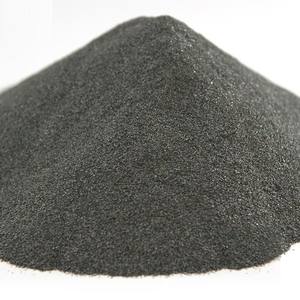
제품 매개변수
설명
The “CARBON Nanotubes” parameter refers to the carbon nanotube (CNT) concentration used in nanotechnology applications. Carbon nanotubes have unique properties due to their high surface area, low density, and tunable electronic, magnetic, and thermal conductivity.
(CARBON NANOTUBES CNT)
Overview of CARBON NANOTUBES CNT
Carbon nanotubes (CNTs) are cylindrical nanostructures consisting of a single sheet of rolled-up graphene, a two-dimensional lattice of carbon atoms. Discovered in 1991, CNTs exhibit extraordinary properties due to their unique molecular structure, making them one of the most promising materials in nanotechnology. They can be single-walled (SWCNTs) or multi-walled (MWCNTs), differing in the number of concentric carbon layers.
Features of CARBON NANOTUBES CNT
Exceptional Strength and Stiffness: CNTs are among the strongest and stiffest materials known, with tensile strengths up to 60 times greater than steel.
Lightweight: Despite their strength, CNTs are extremely lightweight, with a density close to that of graphite.
High Thermal and Electrical Conductivity: They can conduct heat and electricity far better than copper, silver, or gold, with electrons flowing freely along the tube’s length.
Chemically Inert: CNTs are highly resistant to chemical reactions and corrosion, maintaining their properties in harsh environments.
Flexibility: They can be bent or twisted without breaking, displaying excellent flexibility alongside their strength.
Large Surface Area: CNTs have an incredibly high surface area to volume ratio, enhancing their effectiveness in adsorption and catalytic applications.
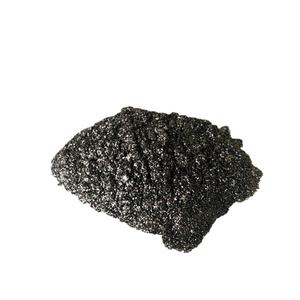
(CARBON NANOTUBES CNT)
Parameter of CARBON NANOTUBES CNT
The “CARBON Nanotubes” parameter refers to the carbon nanotube (CNT) concentration used in nanotechnology applications. Carbon nanotubes have unique properties due to their high surface area, low density, and tunable electronic, magnetic, and thermal conductivity.
The concentration of CNTs can vary depending on factors such as the fabrication method, synthesis conditions, and desired properties of the final product. Generally speaking, the higher the CNT concentration, the more features and functionalities it may provide.
It is important to note that the choice of CNT concentration can affect the performance and reliability of nanodevices, so careful optimization of the CNT concentration is necessary for successful nanotechnology applications.
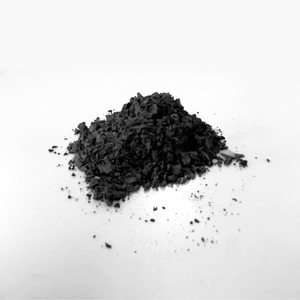
(CARBON NANOTUBES CNT)
Applications of CARBON NANOTUBES CNT
Electronics: Used in transistors, sensors, and displays due to their high conductivity and small size, potentially revolutionizing electronics miniaturization.
Composite Materials: Mixed with polymers to create lightweight, strong composites for aerospace, automotive, and sports equipment.
Energy Storage: In batteries and supercapacitors, CNTs improve energy storage capacity and charge/discharge rates.
Biomedical: As drug delivery vehicles, tissue engineering scaffolds, and in biomedical sensors due to their biocompatibility and unique transport properties.
Catalysts: Their large surface area makes CNTs efficient catalyst supports and catalysts themselves in various chemical reactions.
Environmental Remediation: Utilized for water purification and air filtration due to their adsorptive properties for contaminants.
회사 프로필
Graphite-Corp is a trusted global chemical material supplier & 12년 이상의 초고품질 흑연분말 및 그래핀 제품 공급 경험을 보유한 제조업체.
회사에는 전문 기술 부서와 품질 감독 부서가 있습니다., 시설이 잘 갖춰진 실험실, 첨단 테스트 장비와 애프터 서비스 센터를 갖추고 있습니다..
고품질의 흑연분말 및 관련제품을 찾고 계시다면, 언제든지 저희에게 연락하시거나 필요한 제품을 클릭하여 문의사항을 보내주세요..
결제 방법
신용장, 티/티, 웨스턴 유니온, 페이팔, 신용카드 등.
선적
그것은 바다로 발송될 수 있었습니다, 비행기로, 또는 상환 영수증이 나오는 대로 최대한 빨리 공개하십시오..
FAQs of CARBON NANOTUBES CNT
큐: Is CARBON NANOTUBES CNT safe for human health and the environment?
에이: Concerns have been raised about the potential toxicity of CNTs, particularly their respirable forms, which may resemble asbestos fibers. Research is ongoing to establish safe handling practices and assess long-term environmental impacts.
큐: How is CARBON NANOTUBES CNT produced?
에이: There are several methods to produce CNTs, including arc discharge, laser ablation, and chemical vapor deposition (CVD), with CVD being the most common for industrial-scale production.
큐: Can CARBON NANOTUBES CNT be seen with the naked eye?
에이: No, due to their nanoscale dimensions (typically 1-100 nanometers in diameter), CNTs are invisible to the naked eye and require electron microscopy for visualization.
큐: Is CARBON NANOTUBES CNT expensive?
에이: Historically, CNTs were very expensive due to complex synthesis processes. 하지만, advances in production methods have lowered costs, though they remain more expensive than many conventional materials.
큐: How does CARBON NANOTUBES CNT compare to graphene?
에이: Both are forms of carbon with exceptional properties, but graphene is a flat sheet while CNTs are tubes. Graphene offers superior in-plane conductivity, while CNTs excel in out-of-plane conductivity and have additional mechanical advantages due to their tubular structure.
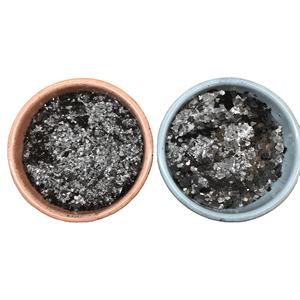
(CARBON NANOTUBES CNT)
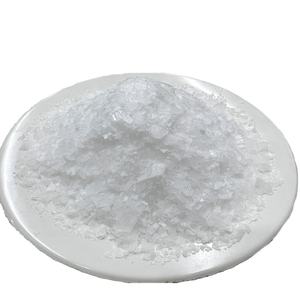
(CARBON NANOTUBES CNT)
견적을 요청하세요
관련 제품

Pigment Product s N326 N330 Tyre Carbon Black Powder
1333-86-4 Rubber Filler Agent Carbon Nanotubes CNT

high purity carbon graphite electrode with competitive

High thermal conductivity Carbon nanotubes for aerospace materials

10mm 15mm 35mm 28mm diameter carbon fiber rods 100mm/carbon fibre tubes 50mm/carbon fiber tubing
