전문 흑연 재료 공급 업체, EV용 흑연, 유지, 용광로 및 기타 산업.


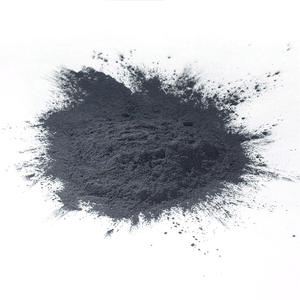
(Synthetic Graphite Powder)
The primary feedstock for synthetic graphite powder is calcined petroleum coke and coal tar pitch, both of which contain highly graphitizable carbon. During the manufacturing process, these materials are subjected to very high temperatures, which converts the amorphous carbon into graphite. The resulting material is usually flakey in nature and can range in size from fine powder to 2 cm pieces. The strength of synthetic graphite is due to a thermal treatment called Hot Isostatic Pressing (HIP).
The HIP process is an energy intensive operation, requiring a large amount of pressure and temperature to compress the product into a compact form. The resulting material is denser than a typical granular or powdered material, and it has high levels of electrical conductivity, thermal shock resistance and self-lubrication properties.
Graphite powder can be shaped into many different shapes using various methods such as kneading, extrusion and vibration molding. Shaped graphite exhibits many desirable properties including high abrasion resistance, good heat dissipation and low expansion at high temperature. The morphology of the particles can vary depending on the shaping method used, with kneading producing the most uniformly sized material and vibration molding producing more granular products.
During the manufacturing process, particle aggregates can form and affect the final performance of the anode active material and coating. Shear tests can help identify if these types of problems are occurring. The TA Instruments HR Rheometer provides a convenient way to measure the shear of powders, and the results can be used to characterize the cohesion and flowability of the material. This information can then be used to reduce the aggregates and achieve a better flow prior to slurry production.

(Synthetic Graphite Powder)
관련 게시물

Low salt concentration electrolyte reduces the cost of sodium ion batteries

Analysis of graphene prepared from anthracite

Understanding Pyrolytic Graphite: Properties and Applications
Optimization Of The Application Of Lithium Battery Materials In Portable Electronic Devices