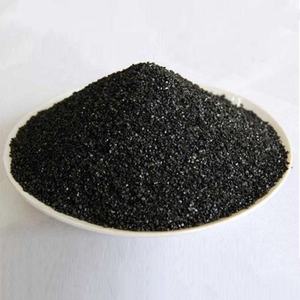
전문 흑연 재료 공급 업체, EV용 흑연, 유지, 용광로 및 기타 산업.


(리튬이온 배터리 양극재로 사용되는 흑연)
As the world shifts toward electric vehicles, graphite – whether natural from mines or synthetic based on petroleum coke – is becoming increasingly indispensable. As the largest component of lithium-ion batteries, it stores and delivers electrical energy for everything from electric cars to grid-scale energy storage systems. 석묵, combined with metals like nickel, cobalt and manganese, is the key to boosting battery performance and reducing charge times.
In June, Canada’s federal government unveiled a low-carbon industrial strategy focused on identifying, prioritizing and pursuing opportunities, particularly those related to critical minerals. This includes establishing the first national strategy for mining and processing, in addition to supporting local value-added manufacturing and creating jobs. At SGL Carbon, we’re pleased that graphite – which is essential to Li-ion batteries – has finally received the attention it deserves.
While the anode’s performance in lithium-ion batteries largely depends on the cathode’s ability to withstand electrolyte oxidation and the insertion of the metals, it also requires strict PSD and a spherical shape for optimum battery cell behavior. With the help of high-performance spheronization tools such as the NEA|Sphere S, we can round up flaky natural graphite and petroleum coke particles in a single step to an optimum battery material.
Thanks to the NEA|Sphere S’s efficient integrated classifier module for ultra-fine classification and a highly robust spheronization process, we can achieve an ideally spherical surface of natural flake graphite or petroleum coke without any contamination. This is crucial for ensuring anode quality and the efficient transfer of lithium ions between the anode and cathode during a battery cycle.

(리튬이온 배터리 양극재로 사용되는 흑연)