პროფესიონალური გრაფიტის მასალების მომწოდებელი, გრაფიტი EV-სთვის, ცხიმი, ღუმელი და ნებისმიერი სხვა ინდუსტრია.

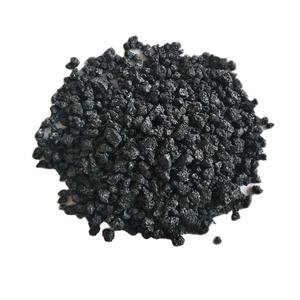
(რა არის გრაფიტი, როგორც ანოდი?)
A graphite as anode is an electrode made of graphite that is used in a mercury cell in order to produce chlorine by electrolysis. As the graphite rod is inserted into a mercury pool cathode of an ignitron, an electrical current begins to flow because it is a collector of electrons in a beam power tube.
What Does graphite as anode Mean?
A graphite as anode is an electrode made of graphite that is used in a mercury cell in order to produce chlorine by electrolysis. As the graphite rod is inserted into a mercury pool cathode of an ignitron, an electrical current begins to flow because it is a collector of electrons in a beam power tube.
graphite as anode material is burned with oxygen to produce CO2, thus making it a combustible material. It has an autoignition temperature of about 700°C (1292°F) and a combustion energy of 33 kJ g−1, although its combustion energy is only fully released when the graphite material has been ejected from the cell and then burned completely outside at high enough temperatures.
How is graphite as anode used in cathodic protectionsystems?
A galvanic cathodic protection system consists of sacrificial anodes, made from graphite or other material, connected together to protect a structure. The system's natural potential must be more negative than the structure so that the cathodic protection current moves from the anode (which is more negative) to the structure (which is less negative) when connected in a circuit
Impressed current cathodic protection (ICCP) refers to a method whereby the potential difference between the galvanic/sacrificial anode and the steel structure is not enough by itself to generate a current sufficient to provide protection. In these cases, a power supply is used to generate a larger potential difference, enabling more current flow into the structure being protected.
How to manufacture graphite as anode?
graphite as anode have been commercially available since 1940. They are produced by bonding carbonaceous fillers with carbon-yielding binders, extruding them into rods, and baking them at 1,000°C (1,830°F), which carbonizes the pitch binder. The anode is placed in an electric graphite furnace after cooling and then reheated to over 250°C (480°F), completing the graphitization process. When graphitizing at elevated temperatures, the anode becomes more porous. After this process is completed the material has improved crystalline properties such as electrical and thermal conductivity
Both natural and synthetic graphite are used to produce electrodes for battery technologies.
High graphite as anode supplier
ჯანჯაფილის მთვარე & Star New Energy Technology Co., შპს, დაარსდა ოქტომბერში 17, 2008, არის მაღალტექნოლოგიური საწარმო, რომელიც მზად არის განვითარდეს, მწარმოებელი, დამუშავება, გაყიდვა, and technical services of graphite as anode materials. After more than ten years of development, კომპანია თანდათან ჩამოყალიბდა ნატურალური გრაფიტის მქონე პროდუქტის დივერსიფიცირებულ სტრუქტურაში, ხელოვნური გრაფიტი, კომპოზიტური გრაფიტი, intermediate phase and other harmful materials (სილიკონ-ნახშირბადის მასალები, და ა.შ.). პროდუქტები ფართოდ გამოიყენება მაღალი დონის ლითიუმ-იონური ციფრული ენერგიისა და ენერგიის შესანახ ბატარეებში.
If you are looking for graphite material, დააწკაპუნეთ საჭირო პროდუქტებზე და გამოგვიგზავნეთ შეკითხვა:sales@graphite-corp.com

(რა არის გრაფიტი, როგორც ანოდი?)