専門のグラファイト材料サプライヤー, EV用グラファイト, グリース, 炉およびその他の産業.

製品パラメータ
説明
Waterdispersion Few Layer Graphene (L1) is a type of thick-walled extruder that uses two glass layers to dispense liquid or gas into a continuous feed. L1 has been used in the past for different applications such as thin film manufacturing, aerospace materials, and medical devices.
(Water Dispersion Few Layer Graphene (1 – 3 Layers) 1 % Solid Content)
Overview of Water Dispersion Few Layer Graphene (1 – 3 Layers) 1 % Solid Content
Graphene is a single layer of carbon atoms arranged in a hexagonal lattice, forming a two-dimensional material with remarkable properties. で発見されました 2004, it has since captivated the scientific community and industry alike due to its unique combination of strength, conductivity, and flexibility. Graphene is essentially a single, flat sheet of graphite, the material found in pencil lead, but its properties are vastly different when isolated into a single atomic layer.
Features of Water Dispersion Few Layer Graphene (1 – 3 Layers) 1 % Solid Content
Unmatched Strength: Graphene is the strongest known material, with a tensile strength of around 130 gigapascals, surpassing steel by a factor of over 100.
Extreme Flexibility: Despite its strength, graphene is highly flexible and can be bent, twisted, or rolled without breaking.
Exceptional Electrical Conductivity: It conducts electricity exceptionally well, with electrons moving at velocities approaching the speed of light, making it ideal for electronics.
Thermal Conductivity: Graphene is also an excellent thermal conductor, dispersing heat efficiently, useful in heat management applications.
Transparency: It is nearly transparent, absorbing only 2.3% of light, which, coupled with its conductivity, makes it suitable for transparent electrodes in displays.
化学的に不活性: Graphene is highly resistant to corrosion and stable under a wide range of chemical conditions.

(Water Dispersion Few Layer Graphene (1 – 3 Layers) 1 % Solid Content)
Parameter of Water Dispersion Few Layer Graphene (1 – 3 Layers) 1 % Solid Content
Waterdispersion Few Layer Graphene (L1) is a type of thick-walled extruder that uses two glass layers to dispense liquid or gas into a continuous feed. L1 has been used in the past for different applications such as thin film manufacturing, aerospace materials, and medical devices.
In this article, we will discuss the process of water dispersion few layer graphene (L1). We will also provide information about the parameters that can affect the performance of L1, including its solid content parameter.
One of the main parameters that affect the performance of L1 is the amount of liquid or gas being dispensed. The more liquid or gas being dispensed, the faster it will be dispersed and the better it will produce final products.
Another important parameter that affects the performance of L1 is the thickness of the glass layers. Thicker the glass layers, the more pressure they can withstand and the better the response to the force applied to them. しかし, larger glass layers can also increase the heat generated by their operation, which can lead to overheating and damage.
The shape of the glass layers is another critical factor that affects the performance of L1. Different glass shapes have different properties and can be used for different applications. 例えば, round glass is commonly used in aerospace applications due to its aerodynamic properties, while square glass is used in automotive applications due to its durability and strength.
Another aspect of the performance of L1 is the temperature range it can operate at. Some L1 models are designed to operate in temperatures between -25°C and 40°C, while others can operate in temperatures greater than 60°C.
Overall, water dispersion few layer graphene (L1) offers several advantages over other techniques for solving the problem of water delivery. By using two glass layers with high resistivity and pressure, L1 is able to effectively disperse liquids or gases into a continuous feed. The thickness of the glass layers and the shape of the glass layers are also critical factors that influence the performance of L1. By carefully choosing these parameters, engineers can create a variety of water delivery systems that meet specific needs.
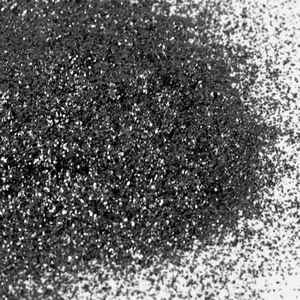
(Water Dispersion Few Layer Graphene (1 – 3 Layers) 1 % Solid Content)
Applications of Water Dispersion Few Layer Graphene (1 – 3 Layers) 1 % Solid Content
エレクトロニクス: In transistors, touchscreens, and flexible electronics due to its conductivity and flexibility, potentially revolutionizing device design.
エネルギー貯蔵: As electrodes in batteries and supercapacitors, improving energy storage capacity and charging rates.
Sensors: High sensitivity and conductivity make graphene ideal for chemical and biological sensors.
Composites: Reinforcing materials like plastics, metals, and concrete to enhance strength and conductivity.
Water Filtration: Its atomically thin structure enables efficient filtration of contaminants, including salts, viruses, and bacteria.
Medicine: Potential uses include drug delivery systems and bio-sensors due to its biocompatibility and unique properties.
会社概要
Graphite-Corp は信頼できる世界的な化学材料サプライヤーです & 超高品質のグラファイトパウダーとグラフェン製品を提供する12年以上の経験を持つメーカー.
当社には専門技術部門と品質監督部門があります。, 設備の整った研究室, 高度な試験設備とアフターサービスセンターを備えています.
高品質の黒鉛粉末および関連製品をお探しの場合, お気軽にお問い合わせいただくか、必要な製品をクリックして問い合わせを送信してください.
支払い方法
信用状, T/T, ウエスタンユニオン, ペイパル, クレジットカードなど.
出荷
船便で発送可能です, 飛行機で, または返済受領後できるだけ早く明らかにすることによって.
FAQs of Water Dispersion Few Layer Graphene (1 – 3 Layers) 1 % Solid Content
Q: Is Water Dispersion Few Layer Graphene (1 – 3 Layers) 1 % Solid Content safe for the environment and human health?
あ: Research on the environmental and health impacts of graphene is ongoing. While graphene itself is considered relatively inert, concerns exist regarding the potential toxicity of graphene oxide and other derivatives, especially in aquatic ecosystems.
Q: How is Water Dispersion Few Layer Graphene (1 – 3 Layers) 1 % Solid Content produced?
あ: Graphene can be produced through several methods, including mechanical exfoliation (peeling layers off graphite using adhesive tape), chemical vapor deposition (CVD), and chemical reduction of graphene oxide.
Q: Why is Water Dispersion Few Layer Graphene (1 – 3 Layers) 1 % Solid Content not yet widely used in commercial products?
あ: Challenges in producing high-quality graphene at a scalable and cost-effective manner have hindered its widespread adoption. さらに, integrating graphene into existing manufacturing processes requires further technological advancements.
Q: Can Water Dispersion Few Layer Graphene (1 – 3 Layers) 1 % Solid Content be used to make stronger and lighter materials?
あ: Absolutely, graphene’s addition to composite materials significantly improves their strength and stiffness while reducing weight, making them ideal for aerospace, 自動車, スポーツ用品.
Q: Does Water Dispersion Few Layer Graphene (1 – 3 Layers) 1 % Solid Content have any limitations?
あ: While graphene possesses outstanding properties, challenges remain in harnessing its full potential, such as achieving high-quality mass production, managing its tendency to restack in composites, and addressing potential health and environmental concerns.

(Water Dispersion Few Layer Graphene (1 – 3 Layers) 1 % Solid Content)

(Water Dispersion Few Layer Graphene (1 – 3 Layers) 1 % Solid Content)
見積もりをリクエストする
関連製品
High Performance Artificial carbon Graphene For Smartphone Heat Dissipation

Custom Twin Queen King Size Graphene Flame Retardant Cordless Electric Heated Heating Throw Blanket

Nano Waterproof thermal insulation paint roof nano graphene coating paint

Hot Super Hydrophobic Ceramic Car Paint Graphene Coating With 10H Ceramic Coating Nano Ceramic Car

Graphene far-infrared ultra safe heating therapy with USB clothing heating pad with 3 adjustable temperature setting