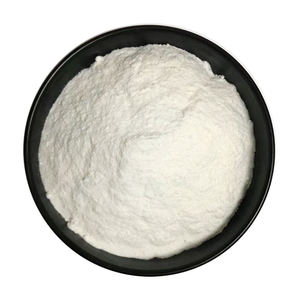
Ọkachamara graphite ihe sobu, graphite maka EV, griiz, oven na ụlọ ọrụ ndị ọzọ.

PRAMETERS ngwaahịa
Nkọwa
The graphene coating parameter refers to the concentration of carbon atoms in the graphene sheet used for coating. It is typically measured in units such as mole per liter (M/L) or grams per square meter (g/m²). A higher concentration of carbon atoms will result in a stronger and more durable graphene coating. Agbanyeghị, increasing the concentration may also increase the cost of the coating.
(Graphene Coating)
Overview of Graphene Coating
Graphene is a single layer of carbon atoms arranged in a hexagonal lattice, forming a two-dimensional material with remarkable properties. Discovered in 2004, it has since captivated the scientific community and industry alike due to its unique combination of strength, conductivity, and flexibility. Graphene is essentially a single, flat sheet of graphite, the material found in pencil lead, but its properties are vastly different when isolated into a single atomic layer.
Features of Graphene Coating
Unmatched Strength: Graphene is the strongest known material, with a tensile strength of around 130 gigapascals, surpassing steel by a factor of over 100.
Extreme Flexibility: Despite its strength, graphene is highly flexible and can be bent, twisted, or rolled without breaking.
Exceptional Electrical Conductivity: It conducts electricity exceptionally well, with electrons moving at velocities approaching the speed of light, making it ideal for electronics.
Thermal Conductivity: Graphene is also an excellent thermal conductor, dispersing heat efficiently, useful in heat management applications.
Transparency: It is nearly transparent, absorbing only 2.3% of light, which, coupled with its conductivity, makes it suitable for transparent electrodes in displays.
Chemically Inert: Graphene is highly resistant to corrosion and stable under a wide range of chemical conditions.
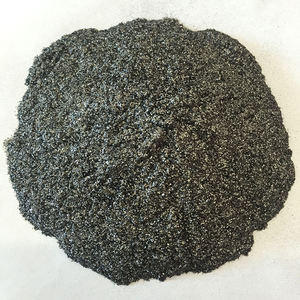
(Graphene Coating)
Parameter of Graphene Coating
The graphene coating parameter refers to the concentration of carbon atoms in the graphene sheet used for coating. It is typically measured in units such as mole per liter (M/L) or grams per square meter (g/m²). A higher concentration of carbon atoms will result in a stronger and more durable graphene coating. Agbanyeghị, increasing the concentration may also increase the cost of the coating.
There are several factors that can affect the performance of a graphene coating, including its mechanical strength, electrical conductivity, thermal stability, and chemical resistance. Graphene coatings with these properties have been successfully applied to a wide range of applications, including electronics, sensors, energy storage devices, and biomedical devices.
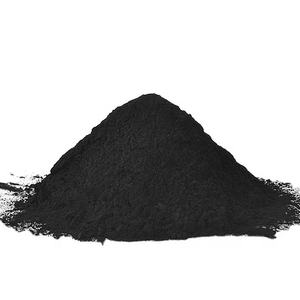
(Graphene Coating)
Applications of Graphene Coating
Electronics: In transistors, touchscreens, and flexible electronics due to its conductivity and flexibility, potentially revolutionizing device design.
Energy Storage: As electrodes in batteries and supercapacitors, improving energy storage capacity and charging rates.
Sensors: High sensitivity and conductivity make graphene ideal for chemical and biological sensors.
Composites: Reinforcing materials like plastics, metals, and concrete to enhance strength and conductivity.
Water Filtration: Its atomically thin structure enables efficient filtration of contaminants, including salts, viruses, and bacteria.
Medicine: Potential uses include drug delivery systems and bio-sensors due to its biocompatibility and unique properties.
Nkọwapụta Ụlọ ọrụ
Graphite-Corp is a trusted global chemical material supplier & emeputa ihe karịrị 12-afọ ahụmahụ na-enye super-edu graphite ntụ ntụ na graphene ngwaahịa.
Ụlọ ọrụ ahụ nwere ngalaba nka ọkachamara na Ngalaba Nlekọta Ogo, ụlọ nyocha nke ọma, na kwadebere na elu ule akụrụngwa na mgbe-sales ahịa ọrụ center.
Ọ bụrụ na ị na-achọ elu-edu graphite ntụ ntụ na ikwu ngwaahịa, biko nweere onwe gị ịkpọtụrụ anyị ma ọ bụ pịa ngwaahịa ndị dị mkpa iji zipu ajụjụ.
Ụzọ ịkwụ ụgwọ
L/C, T/T, Western Union, Paypal, Kaadị kredit wdg.
Mbupu
Enwere ike ibu ya n'oké osimiri, site n'ikuku, ma ọ bụ site na ikpughe ASAP ozugbo nnata nkwụghachi.
FAQs of Graphene Coating
Q: Is Graphene Coating safe for the environment and human health?
A: Research on the environmental and health impacts of graphene is ongoing. While graphene itself is considered relatively inert, concerns exist regarding the potential toxicity of graphene oxide and other derivatives, especially in aquatic ecosystems.
Q: How is Graphene Coating produced?
A: Graphene can be produced through several methods, including mechanical exfoliation (peeling layers off graphite using adhesive tape), chemical vapor deposition (CVD), and chemical reduction of graphene oxide.
Q: Why is Graphene Coating not yet widely used in commercial products?
A: Challenges in producing high-quality graphene at a scalable and cost-effective manner have hindered its widespread adoption. Na mgbakwunye, integrating graphene into existing manufacturing processes requires further technological advancements.
Q: Can Graphene Coating be used to make stronger and lighter materials?
A: Absolutely, graphene’s addition to composite materials significantly improves their strength and stiffness while reducing weight, making them ideal for aerospace, automotive, and sports equipment.
Q: Does Graphene Coating have any limitations?
A: While graphene possesses outstanding properties, challenges remain in harnessing its full potential, such as achieving high-quality mass production, managing its tendency to restack in composites, and addressing potential health and environmental concerns.

(Graphene Coating)

(Graphene Coating)
RỊỌRỌ OKWU
Ngwaahịa ndị metụtara
Free Samples Mental Paint Epoxy Graphene Zinc with High solids
Factory nano graphene oxide high quality Nano Graphene Oxide Powder
Supply Hot Graphene Oxide Powder with Best Graphene Oxide

Graphene Face Mask Sheet

Hot vaccum induction type graphene making graphitization furnace