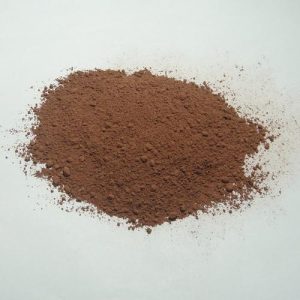
Ọkachamara graphite ihe sobu, graphite maka EV, griiz, oven na ụlọ ọrụ ndị ọzọ.

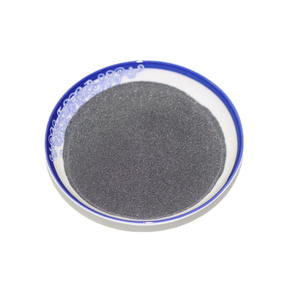
PRAMETERS ngwaahịa
Nkọwa
The parameters of hydroxylated carbon nanotubes, such as their diameter and length, depend on the specific material they are made from and the desired application. Here are some general guidelines for determining the parameters:
(Hydroxylated carbon nanotubes)
Overview of Hydroxylated carbon nanotubes
Carbon nanotubes (Ndị CNT) bụ cylindrical nanostructures nwere otu mpempe akwụkwọ nke graphene akpọkọtara, lattice akụkụ abụọ nke carbon carbon. Achọpụtara na 1991, Ndị CNT na-egosipụta ihe ndị pụrụ iche n'ihi nhazi mkpụrụ ndụ ha pụrụ iche, na-eme ka ha bụrụ otu n'ime ihe ndị na-ekwe nkwa na nanotechnology. Ha nwere ike ịbụ otu mgbidi (SWCNT) ma ọ bụ ọtụtụ mgbidi (MWCNT), dị iche na ọnụ ọgụgụ nke concentric carbon oyi akwa.
Features of Hydroxylated carbon nanotubes
Ike pụrụiche na isi ike: CNT so na ihe ndị siri ike na nke siri ike mara, na ike tensile ruo 60 ugboro karịrị ígwè.
Dị fechaa: N'agbanyeghị ike ha, CNT dị fechaa nke ukwuu, na njupụta dị nso na nke graphite.
High Thermal na Eletriki conductivity: Ha nwere ike iduzi okpomọkụ na ọkụ eletrik karịa ọla kọpa, ọlaọcha, ma ọ bụ ọla edo, ya na electrons na-aga n'efu n'ogologo tube.
Kemịkalụ Inert: CNT na-eguzogide mmeghachi omume kemịkalụ na corrosion, na-edobe ihe onwunwe ha na gburugburu ebe siri ike.
Mgbanwe: Enwere ike ịgbagọ ma ọ bụ gbagọrọ agbagọ na-agbajighị, na-egosipụta ezigbo mgbanwe n'akụkụ ike ha.
Nnukwu Mpaghara dị n'elu: CNT nwere oke elu na oke oke na oke olu, na-eme ka ha dị irè na adsorption na ngwa catalytic.

(Hydroxylated carbon nanotubes)
Parameter of Hydroxylated carbon nanotubes
The parameters of hydroxylated carbon nanotubes, such as their diameter and length, depend on the specific material they are made from and the desired application. Here are some general guidelines for determining the parameters:
1. Size: Hydroxylated carbon nanotubes can have different sizes depending on the properties of the and the desired application. Ọmụmaatụ, less than 20nm in size may be suitable for functional applications like drug delivery or sensors.
2. Shape: Hydroxylated carbon nanotubes can vary in shape, ranging from simple rectangular to bell-shaped structures. The preferred shape depends on factors such as application, surface roughness, and stability.
3. Electrochemical properties: Hydroxylated carbon nanotubes are sensitive to changes in electrochemical environments, which can affect their properties such as chirality, electrical conductivity, and corrosion resistance.
4. Electric field: Hydroxylated carbon nanotubes are susceptible to electric fields, which can cause them to deform or rotate in response to changes in applied magnetic fields.
5. transport: Hydroxylated carbon nanotubes can undergo transport of electrons across their surface, which can lead to various behaviors in charge carriers and electronic devices.
6. Power conversion efficiency: Hydroxylated carbon nanotubes can also play an important role in power conversion, where they can be used to convert electricity into mechanical energy.
N'ozuzu, the parameters of hydroxylated carbon nanotubes can be influenced by various factors that affect their behavior and functionality. It is important to choose materials with appropriate properties based on the specific application and requirements of the device.
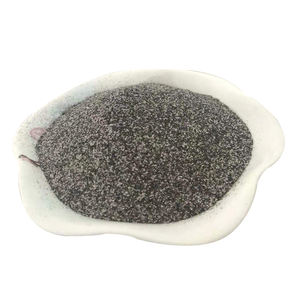
(Hydroxylated carbon nanotubes)
Applications of Hydroxylated carbon nanotubes
Eletrọnịkị: A na-eji transistor eme ihe, sensọ, na ngosipụta n'ihi nnukwu conductivity ha na obere nha, nwere ike ime mgbanwe eletrọnịkị miniaturization.
Ngwakọta agwakọta: Ejikọtara ya na polymers iji mepụta ịdị arọ, ngwakọta siri ike maka ikuku, ụgbọ ala, na akụrụngwa egwuregwu.
Nchekwa ike: Na batrị na supercapacitors, CNT na-akwalite ikike nchekwa ike yana ọnụego ụgwọ/nhapu.
Usoro ihe omumu: Dị ka ụgbọ ala na-ebuga ọgwụ, anụ ahụ engineering scaffolds, yana na sensọ biomedical n'ihi ndakọrịta biocompatibility ha na akụrụngwa njem pụrụ iche.
Ihe na-akpata: Ebe ha buru ibu na-eme ka CNTs na-arụ ọrụ nke ọma na-akwado ma na-akpali onwe ha na mmeghachi omume kemịkal dị iche iche.
Ndozi gburugburu: Ejiri ya maka nchacha mmiri na nzacha ikuku n'ihi ihe ha na-eme ihe na-emetọ ihe.
Nkọwapụta Ụlọ ọrụ
Graphite-Corp bụ onye na-ebubata kemịkalụ zuru ụwa ọnụ nke ntụkwasị obi & emeputa ihe karịrị 12-afọ ahụmahụ na-enye super-edu graphite ntụ ntụ na graphene ngwaahịa.
Ụlọ ọrụ ahụ nwere ngalaba nka ọkachamara na Ngalaba Nlekọta Ogo, ụlọ nyocha nke ọma, na kwadebere na elu ule akụrụngwa na mgbe-sales ahịa ọrụ center.
Ọ bụrụ na ị na-achọ elu-edu graphite ntụ ntụ na ikwu ngwaahịa, biko nweere onwe gị ịkpọtụrụ anyị ma ọ bụ pịa ngwaahịa ndị dị mkpa iji zipu ajụjụ.
Ụzọ ịkwụ ụgwọ
L/C, T/T, Western Union, Paypal, Kaadị kredit wdg.
Mbupu
Enwere ike ibu ya n'oké osimiri, site n'ikuku, ma ọ bụ site na ikpughe ASAP ozugbo nnata nkwụghachi.
FAQs of Hydroxylated carbon nanotubes
Q: Is Hydroxylated carbon nanotubes safe for human health and the environment?
A: Ewelitela nchegbu gbasara nsi nke CNT nwere ike ịdị, karịsịa ụdị iku ume ha, nke nwere ike ịdị ka eriri asbestos. Nnyocha na-aga n'ihu iji guzobe omume njikwa nchekwa yana nyochaa mmetụta gburugburu ebe obibi na-adịte aka.
Q: How is Hydroxylated carbon nanotubes produced?
A: There are several methods to produce CNTs, including arc discharge, laser ablation, and chemical vapor deposition (CVD), with CVD being the most common for industrial-scale production.
Q: Can Hydroxylated carbon nanotubes be seen with the naked eye?
A: Mba, due to their nanoscale dimensions (typically 1-100 nanometers in diameter), CNTs are invisible to the naked eye and require electron microscopy for visualization.
Q: Is Hydroxylated carbon nanotubes expensive?
A: Historically, CNTs were very expensive due to complex synthesis processes. Agbanyeghị, advances in production methods have lowered costs, though they remain more expensive than many conventional materials.
Q: How does Hydroxylated carbon nanotubes compare to graphene?
A: Both are forms of carbon with exceptional properties, but graphene is a flat sheet while CNTs are tubes. Graphene offers superior in-plane conductivity, while CNTs excel in out-of-plane conductivity and have additional mechanical advantages due to their tubular structure.
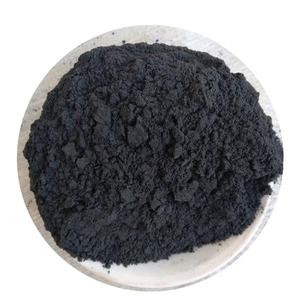
(Hydroxylated carbon nanotubes)
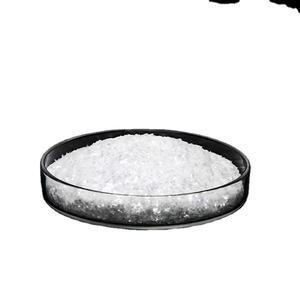
(Hydroxylated carbon nanotubes)
RỊỌRỌ OKWU
Ngwaahịa ndị metụtara
Hot s Industrial Carbon Nanotubes

Highly thermally conductive anti-shock and anti-static Carbon Nanotubes for ABS plastic
Fiber-clustered carbon nanotube
CNTs-PVC masterbatch High Quality CNTs masterbatch conductive carbon black masterbatch

MWCNTs multi walled carbon nanotubes for polymer